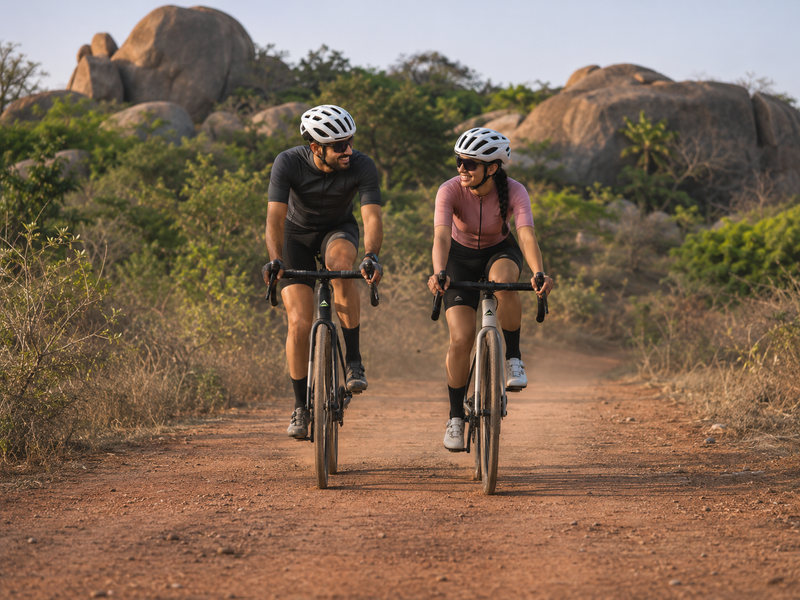
Short answer: in a group, ride predictably above everything else. Hold your line, keep a steady speed, leave a gap of about half a wheel to a wheel to the rider in front, and never overlap their back wheel with your front wheel. Point out potholes and call out "slowing", "stopping" and "car back" so riders behind can react. Brake gently rather than suddenly, and take turns at the front without surging. Most clubs welcome beginners on slower, no-drop rides.
Riding in a group is the fastest way to improve, ride further and enjoy cycling more. It is also where small mistakes have the biggest consequences, because a wobble or sudden brake affects every rider behind you. On Indian roads there is more to watch: potholes, speed breakers, autos stopping suddenly, dogs and traffic coming the wrong way. This guide covers the habits that make you a rider others are happy to follow.
- Before the ride
- Riding position and gaps
- Hand signals and calls
- Taking a turn at the front
- Indian road hazards in a group
- Group ride etiquette
- FAQ
- Getting ready for group rides
Before the ride
- Pick the right ride. Clubs usually list an average speed and say whether the ride is "no-drop", meaning the group waits for everyone. Start with a no-drop ride a little below your solo pace.
- Check your bike. Tyres pumped, brakes working, nothing rattling. A mechanical problem in a group holds everyone up.
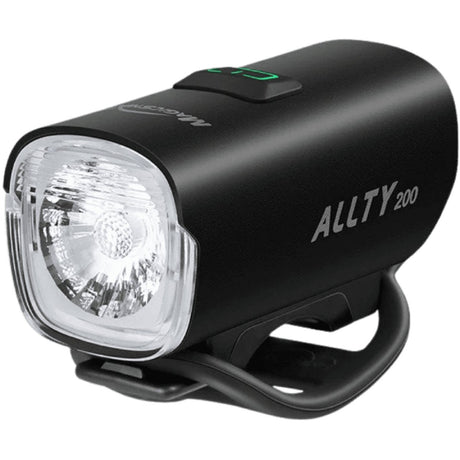
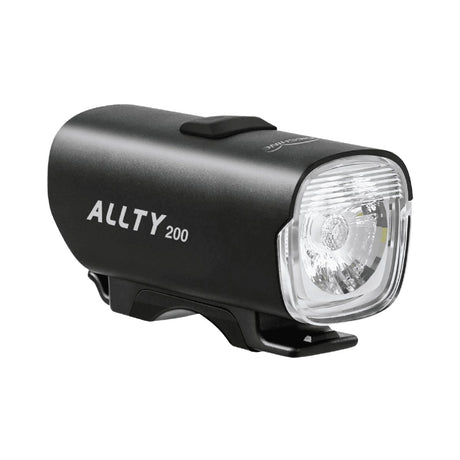
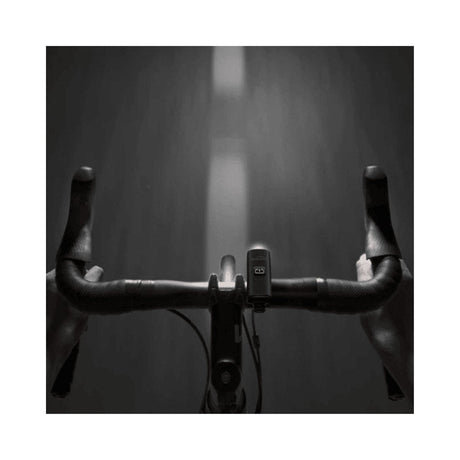
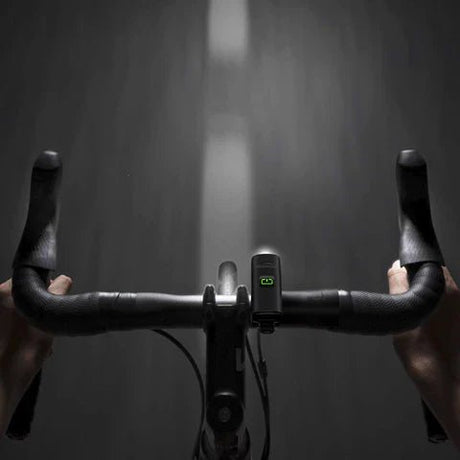
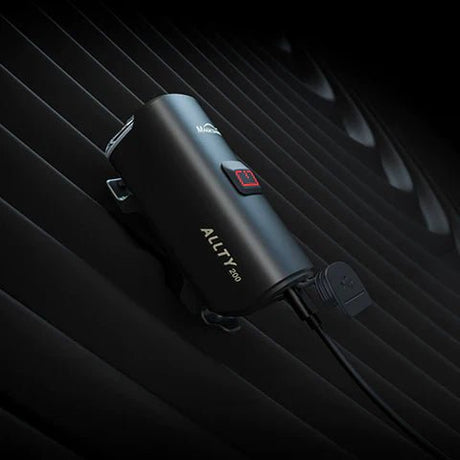
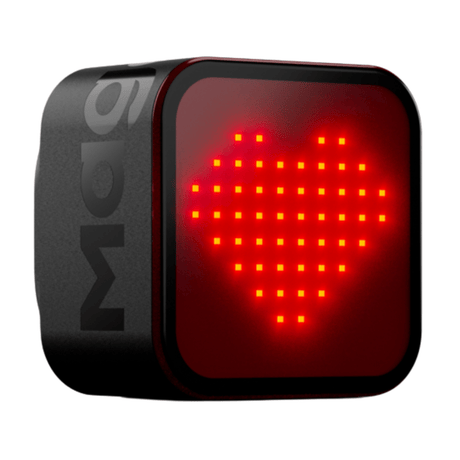
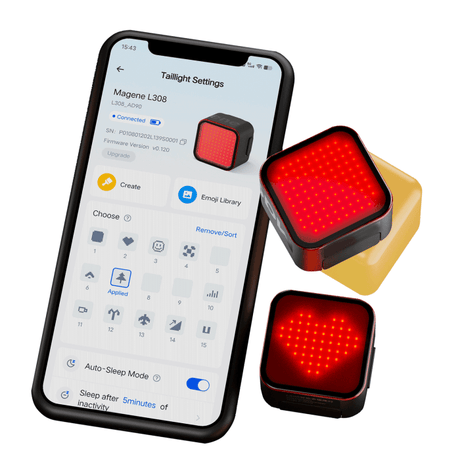
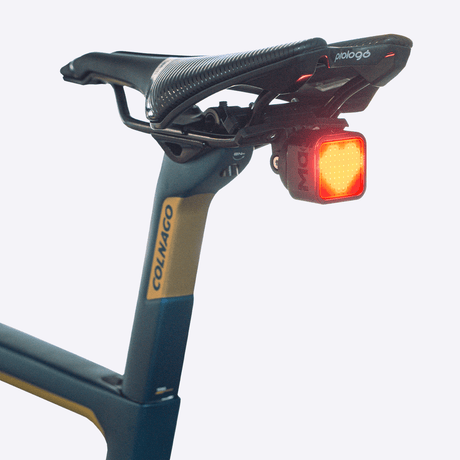
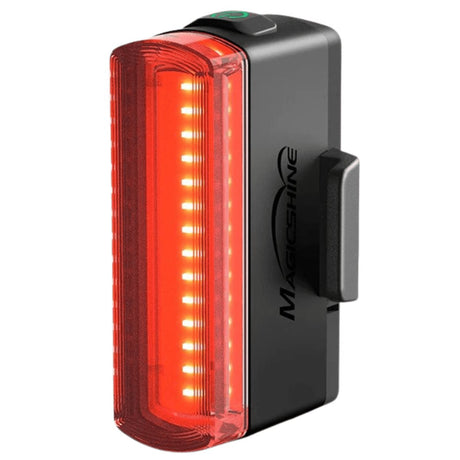
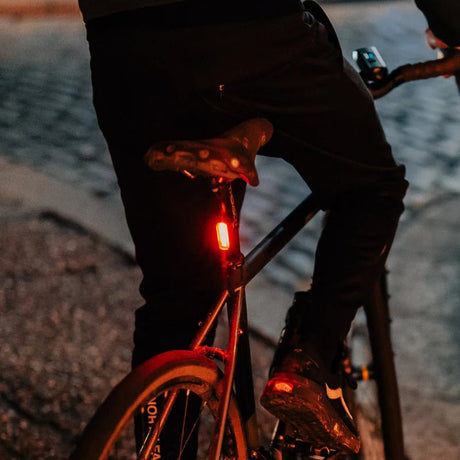
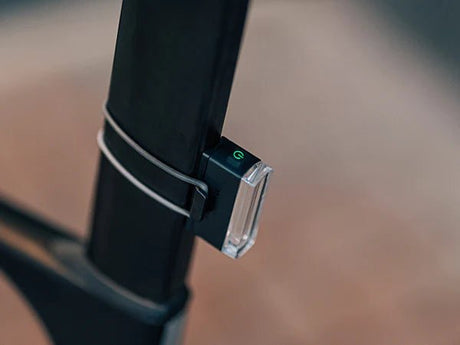
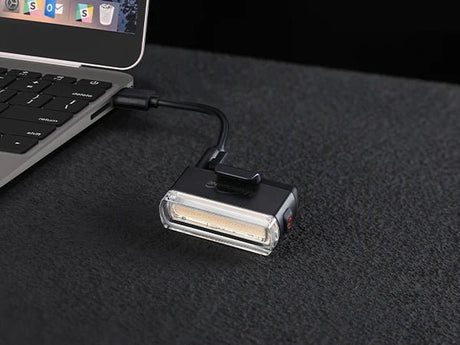
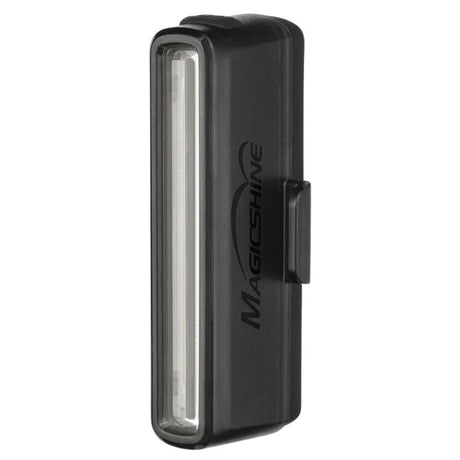
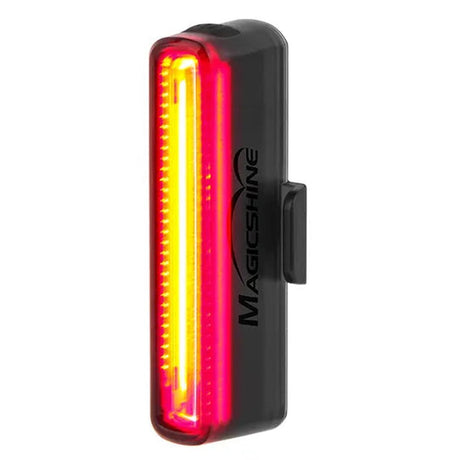
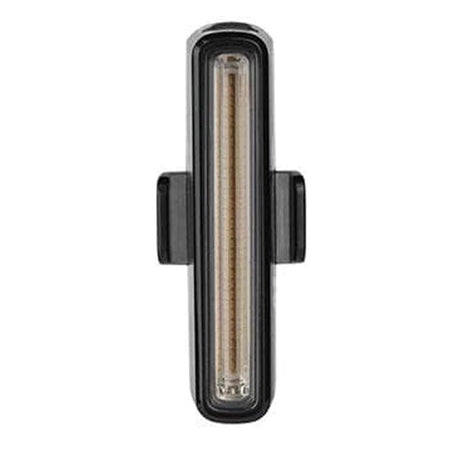
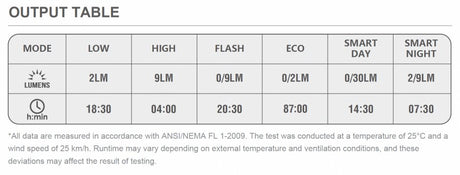
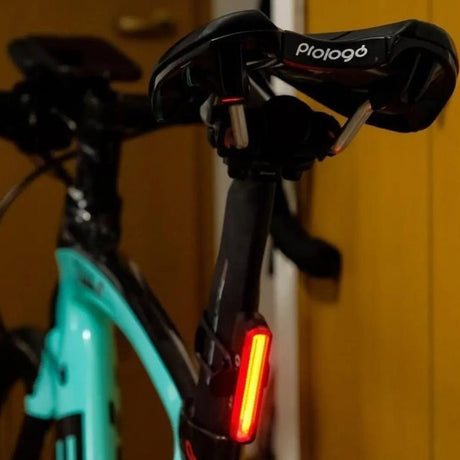
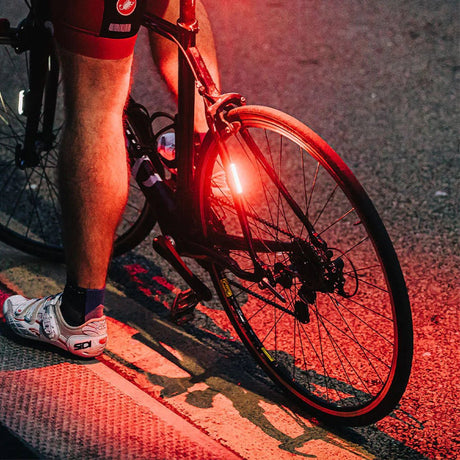
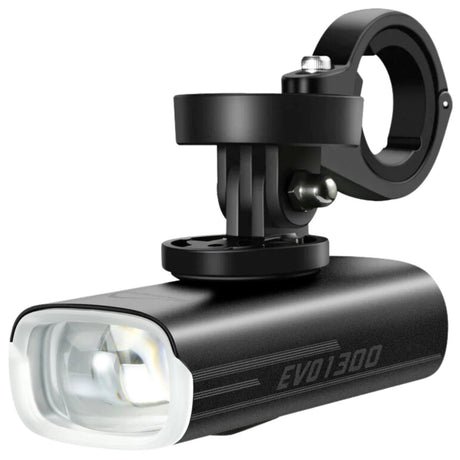
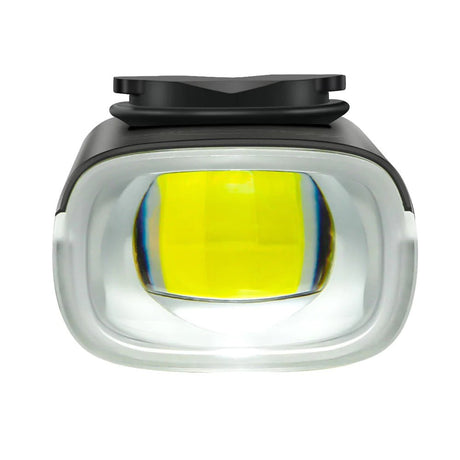
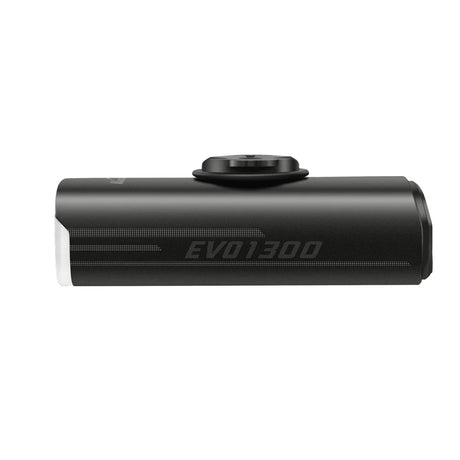
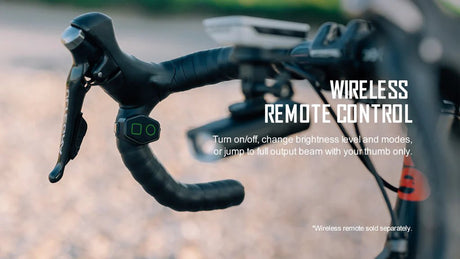
- Lights on. Most group rides start before sunrise. Use a front light and a rear light on steady or slow flash, not a fast strobe that dazzles the rider behind you. Our bike lights guide covers what to choose.
- Carry your own spares. A tube, levers, a pump or CO2, a multi-tool, food and enough water. Our guide to fixing a puncture lists the basics.
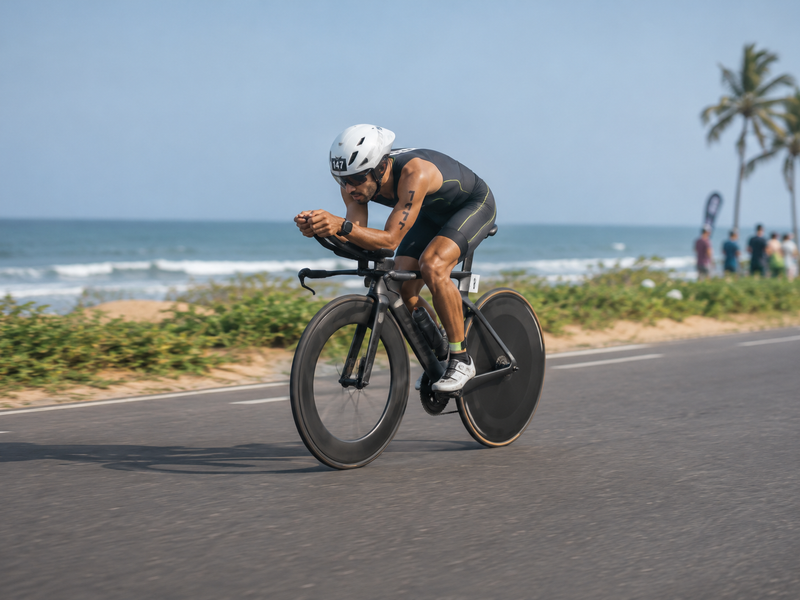
- Leave the aero bars at home. On aero bars your hands are away from the brakes, and many groups do not allow them. Our triathlon bike guide explains why.
Riding position and gaps
- Leave a gap. Start with about a wheel's length to the rider in front. As you get comfortable, closing to half a wheel saves more energy.
- Never overlap wheels. If your front wheel sits beside the back wheel of the rider in front and they move sideways, you will touch wheels, and the rider behind almost always falls.
- Look ahead, not at the wheel. Look over the shoulders of the riders in front, so you see hazards and slowdowns early.
- Hold your line. Ride straight and move sideways only gradually, after checking over your shoulder.
- Brake gently. Feather the brakes or ease off the pedals rather than grabbing the levers. A sudden stop can bring down the whole line.
- Stand up carefully. When you get out of the saddle, the bike briefly moves backwards. Push it forward as you stand, so you do not drop back into the rider behind.
On busy roads, ride single file. Two abreast is only for quiet roads where it is safe and allowed, and the group should go back to single file as soon as traffic builds.
Hand signals and calls
| Signal or call | What it means |
|---|---|
| Pointing down to one side | Pothole, stone or speed breaker on that side |
| Hand raised, or "stopping" | Stopping, for a signal, puncture or junction |
| Hand flat, palm down, moved up and down, or "slowing" | The group is slowing |
| Hand behind the back pointing to the other side | Move over: a parked car or obstacle ahead |
| "Car back" | A vehicle is coming from behind |
| "Car up" or "car front" | A vehicle is coming towards the group, or pulling out ahead |
| Arm pointing left or right | Turning in that direction |
Pass signals and calls back down the line, so the last rider hears them too. Only signal when it is safe to take a hand off the bar; on rough roads, a call is enough.
Taking a turn at the front
The rider at the front works hardest, because they face the wind. Taking turns spreads that work.
- Keep the same speed. When you reach the front, do not accelerate. Watch your speed or power and hold what the group was doing.
- Keep it short. A turn of 30 seconds to a couple of minutes is plenty. A short turn is better than a long one that leaves you exhausted.
- Pull off cleanly. Check behind, move aside on the side your group agrees, ease off slightly and drift back to rejoin at the end of the line.
- Skip a turn if you need to. If you are struggling, stay at the back and let others pass. Nobody minds, and it is safer than sitting on the front too tired to react.
Indian road hazards in a group
- Speed breakers and potholes. Riders at the front must point them out early, especially in the half-light before sunrise.
- Autos and buses stopping suddenly. Leave extra room when passing stationary vehicles and watch for passengers getting out.
- Wrong-way traffic. Call out two-wheelers coming towards the group on your side of the road.
- Dogs and cattle. Do not swerve suddenly. Call it out, hold your line and slow down smoothly if needed.
- Sand and gravel at corners. Call it, slow before the corner and take a wider, smoother line.
Group ride etiquette
- Arrive on time with your bike ready to go.
- Do not ride ahead of the ride leader or push the pace on a social ride.
- Regroup at the top of climbs and after junctions.
- Stop with anyone who punctures on a no-drop ride.
- Tell the leader if you are leaving the ride early.
- Keep both ears free of music while riding in the group.
Keep eating and drinking on long group rides. Our guide to why you bonk explains how to avoid running out of energy halfway round.
FAQ
How close should you ride to the wheel in front in a group ride?
Beginners should start with a gap of about one wheel length to the rider in front, closing it gradually to about half a wheel as they gain confidence, because riding closer saves energy but leaves less room for mistakes, and you should never let your front wheel overlap their back wheel. Look past the rider in front, not at their wheel. Open the gap on descents.
What are the common hand signals for group cycling?
The common group cycling signals are pointing down for a pothole or obstacle, a raised hand for stopping, a flat hand moved up and down for slowing, a hand behind the back to move around a parked vehicle, and an arm pointed left or right for turns, along with calls such as car back and stopping. Pass every signal down the line. Use calls when the road is too rough to signal.
Can beginners join group rides?
Yes, most clubs welcome beginners, and the best place to start is a slower no-drop ride, where the group waits for everyone, so you can learn to ride close to others, follow signals and judge your pace without worrying about being left behind, as long as you can comfortably ride the distance on your own first. Tell the ride leader it is your first group ride. Ride near the back until you feel settled.
Is it safe to use aero bars in a group ride?
No, aero bars are not safe in a group, because on the extensions your hands are away from the brakes and your steering is less precise, so you cannot react quickly when the rider in front slows or swerves, and many clubs and most group rides ask riders not to use them in the bunch at all. Ride on the hoods or drops when others are close. Save the aero position for solo efforts and the front of a time trial.
What should I carry on a group ride?
On a group ride carry everything you would need to ride home alone: a spare tube, tyre levers, a pump or CO2 inflator, a multi-tool, water and food for the distance, your phone, cash and ID, plus front and rear lights for early starts. Carry it in a saddle bag and jersey pockets. Check your tyres the evening before.
Getting ready for group rides
The right setup depends on the rides you are joining and your bike. Tell us those and ask TBA Guide what to carry, which lights to use, and how to prepare for your first group ride. Browse our cycle lights for early starts.