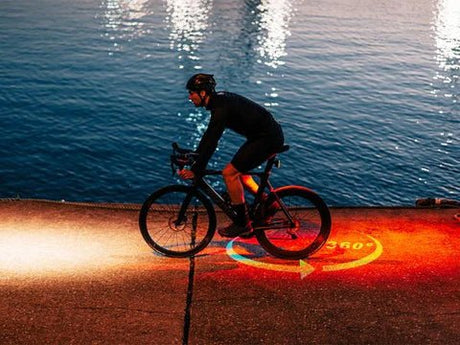
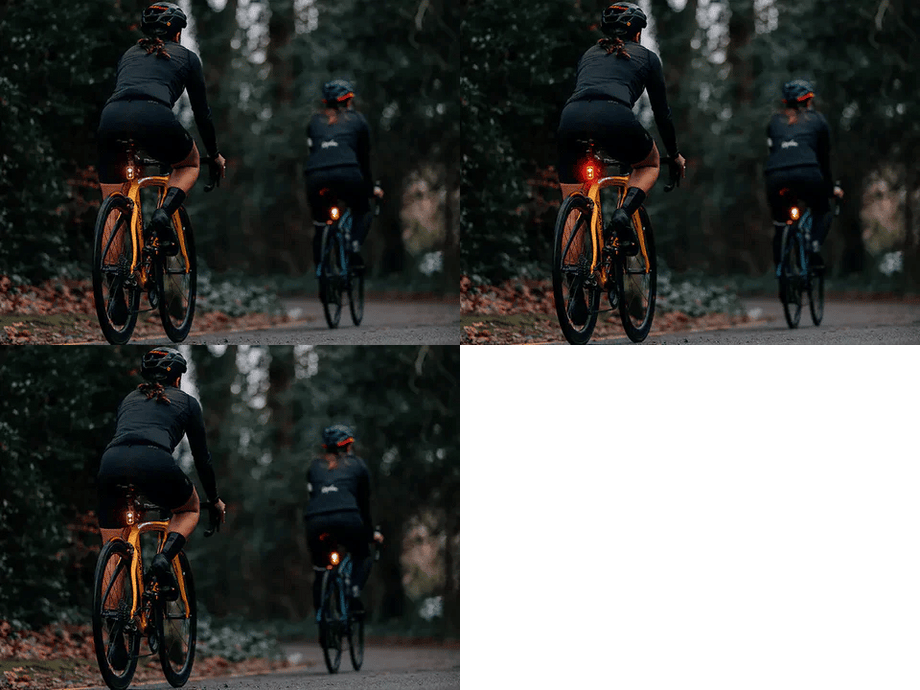
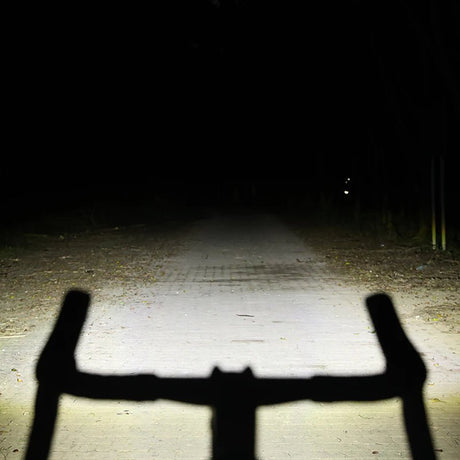
Short answer: buy the rear light first and spend more on it than the front. In a lit city you can already see where you are going, and what you need is for a driver closing at 60kmh to notice you. Run both lights in daylight as well as after dark, because that is when most urban collisions happen. Lumens is the wrong number to shop on: beam shape matters more, and a 400 lumen light with a proper cutoff is better in traffic than a 1,600 lumen one that blinds everyone coming the other way.
- Buy the rear light first
- Run them in daylight
- Why lumens is the wrong number
- Flashing or steady
- Radar, and what it now costs
- Mounting, and the out-front problem
- What to buy at each budget
- FAQs
- Narrowing it down
Buy the rear light first

Most people buy an expensive front light and a cheap rear one. For city riding that is exactly backwards.
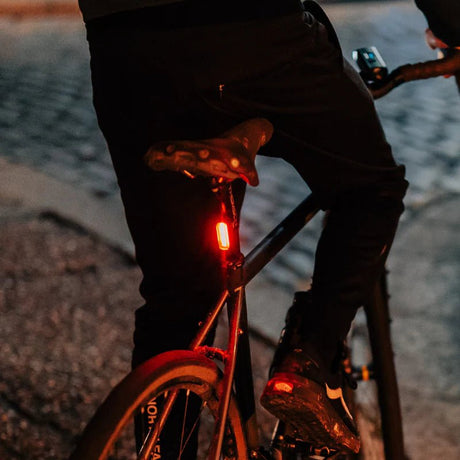
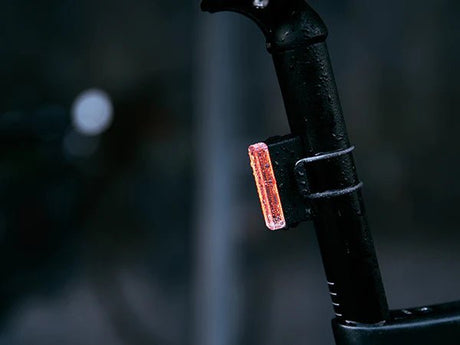
On a lit road your front light is mostly there so others see you, because the streetlights are already doing the seeing. The rear light is doing something no other part of your setup does: making you visible to the vehicle approaching from behind at speed, which is where the danger actually is.
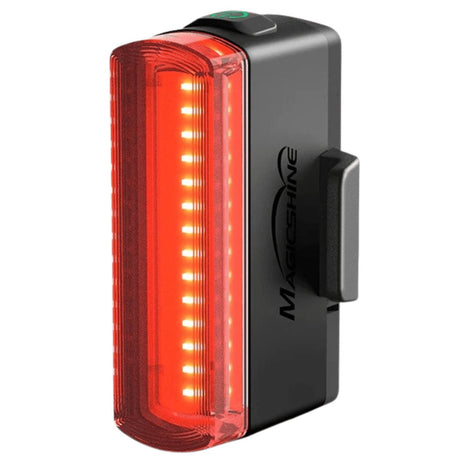
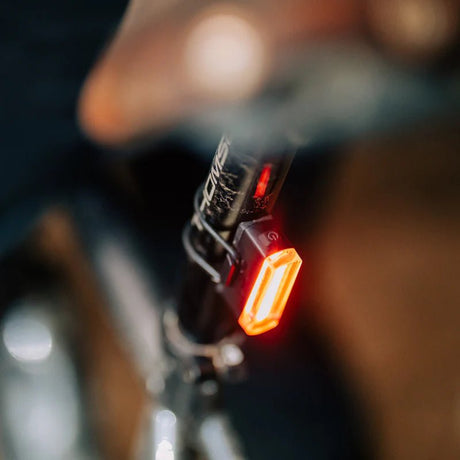
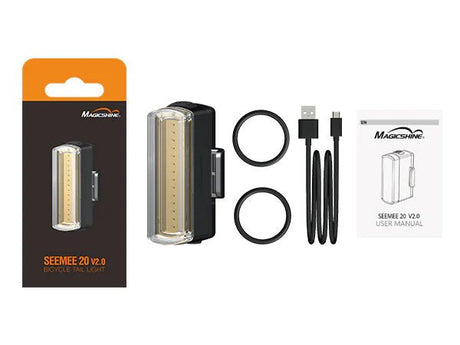
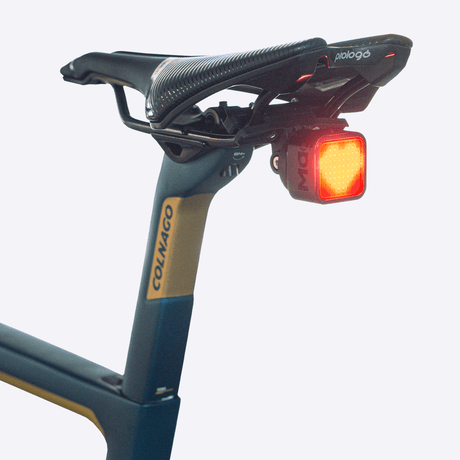
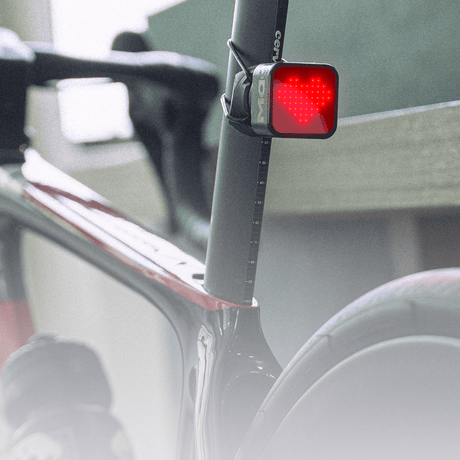
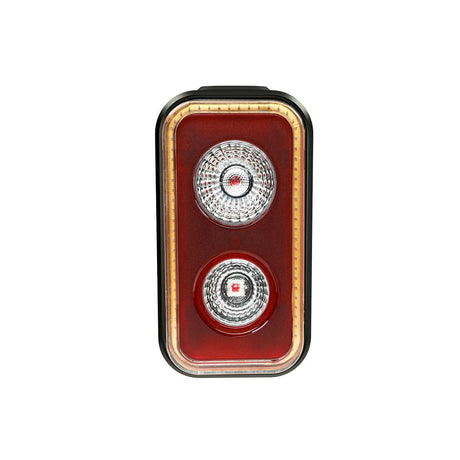
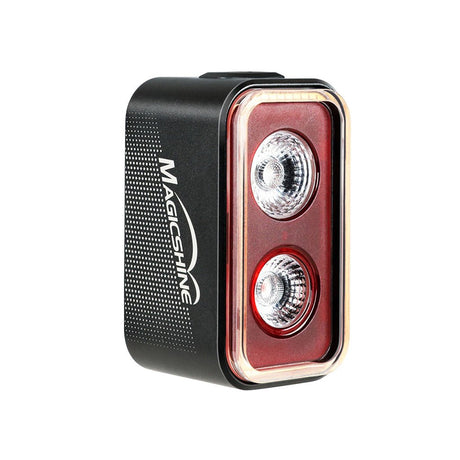
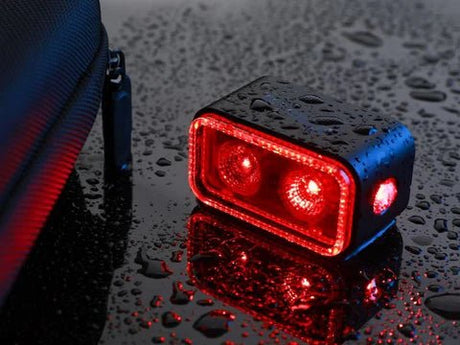
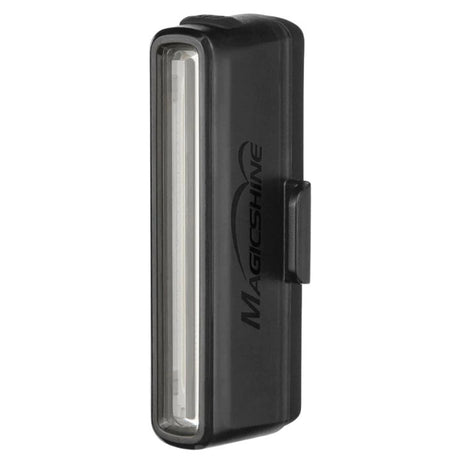
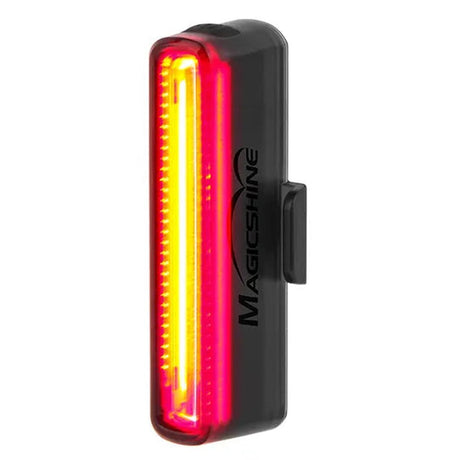
A ₹1,190 Cateye Omni 3 is a legitimate starting point and better than nothing by a wide margin. But the step up to something like the Magicshine Seemee 200 V3.0 at ₹4,690 buys real brightness, a wider visible angle and a battery that lasts a working week of commutes. If you only have budget for one good light, make it this one.
Run them in daylight
This is the single cheapest safety improvement available to you, and it costs nothing because you already own the lights.
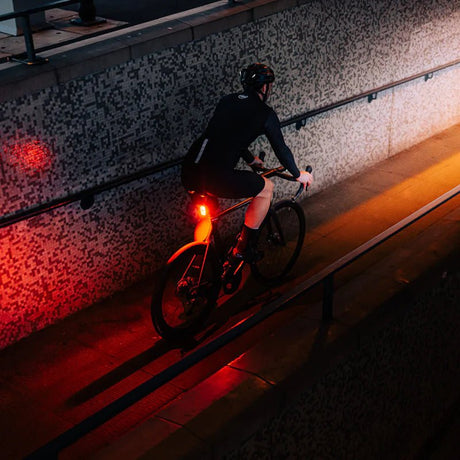
Urban collisions between cars and bicycles overwhelmingly happen in daylight, simply because that is when most people ride. A bright rear light in daytime flash mode is visible from much further away than a rider in ordinary clothing, and it reads as a vehicle rather than as a pedestrian.
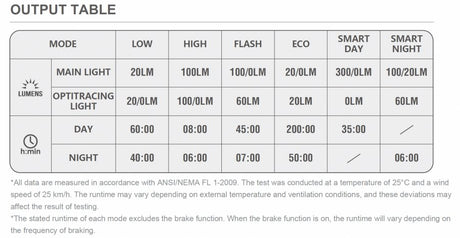
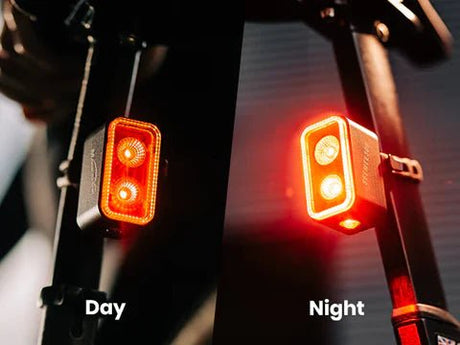
What matters for daytime use specifically is peak brightness rather than runtime, because a light that is perfectly adequate at night disappears entirely against a bright sky. Anything rated around 100 lumens or more at the rear works in daylight. The Seemee 150TL at ₹3,590 and the Cateye Viz300 at ₹3,390 are both comfortably in that territory.
Why lumens is the wrong number

Lumens measures total light produced, not where any of it goes. Two lights with identical ratings can behave completely differently.
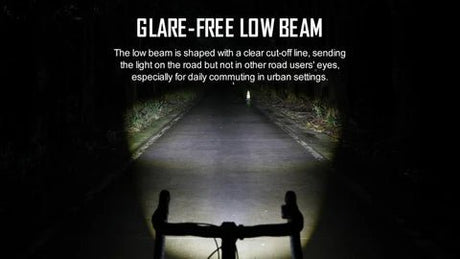
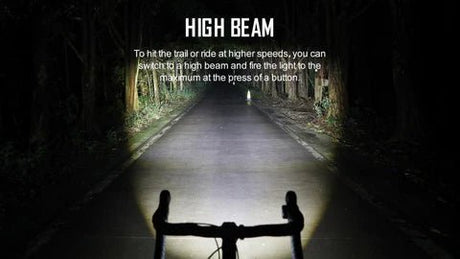
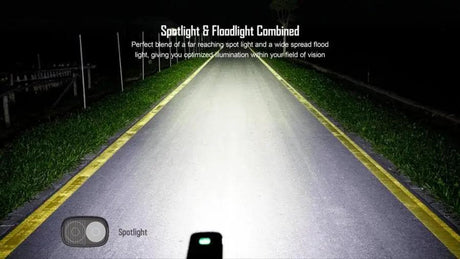
A round beam throws light in a circle, which means a good deal of it goes into the sky, into the eyes of oncoming traffic, and onto the hedge. A cutoff beam puts a defined edge at the top, concentrating light onto the road where it is useful and keeping it out of other people's eyes.
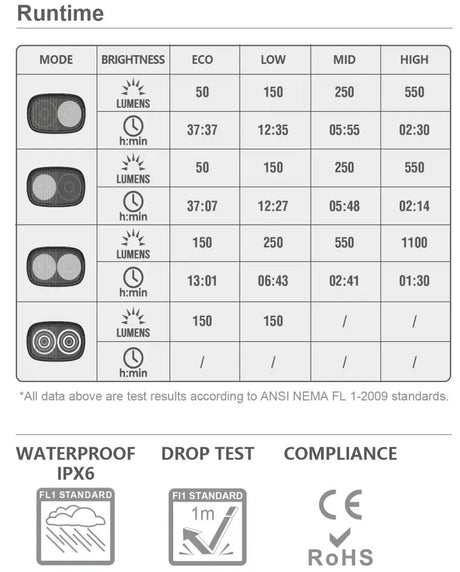
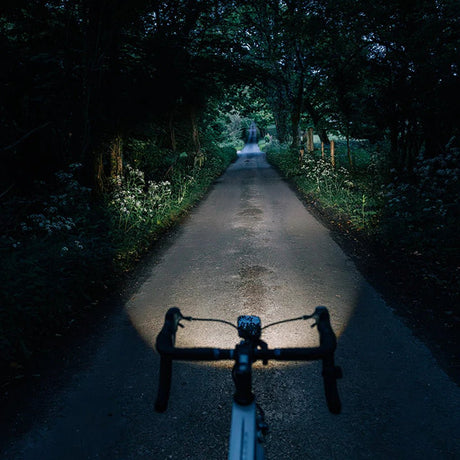
For city riding, a well shaped 400 to 800 lumen light is genuinely better than a 1,600 lumen round beam, because the road is already lit and the extra output only creates glare. Save the very bright lights for unlit roads.
Rough guidance:
| Where you ride | Front light | Example |
|---|---|---|
| Lit city streets only | 300 to 500 lumens | Cateye Ampp 400S, ₹3,190 |
| Mostly lit, some dark patches | 600 to 900 lumens | Magicshine Allty 800 V2.0, ₹5,890 |
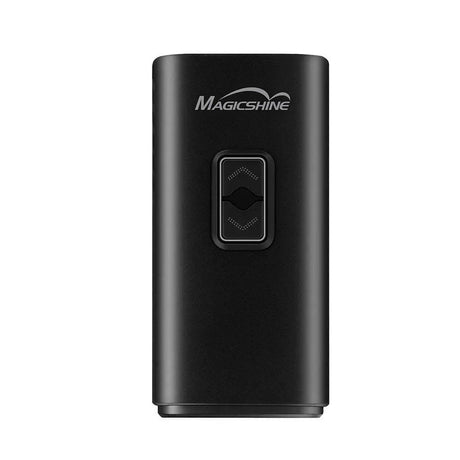
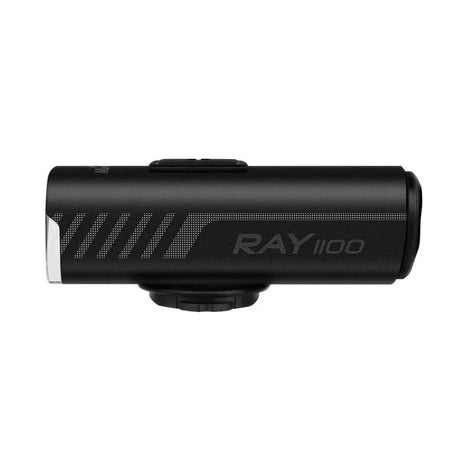
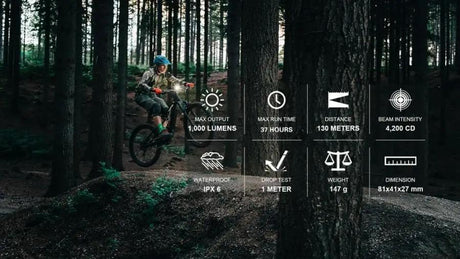
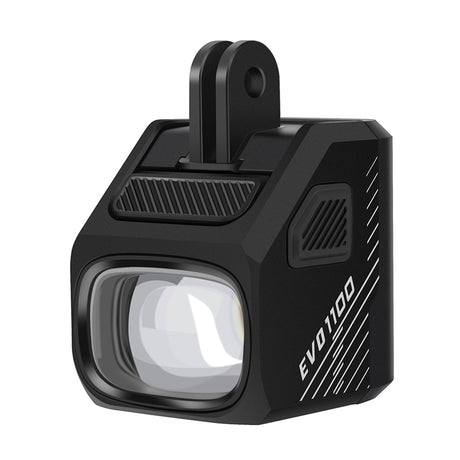
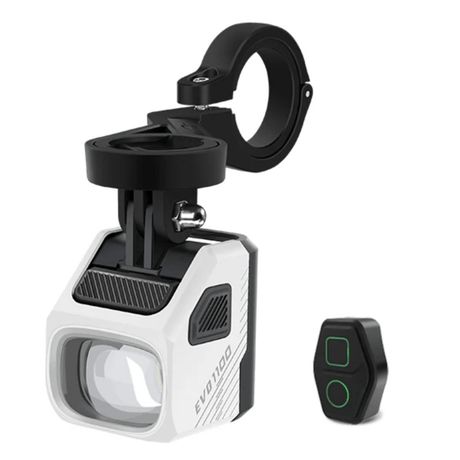
| Unlit roads, early starts | 1,100 to 1,700 lumens | Magicshine EVO 1100, ₹6,250 |
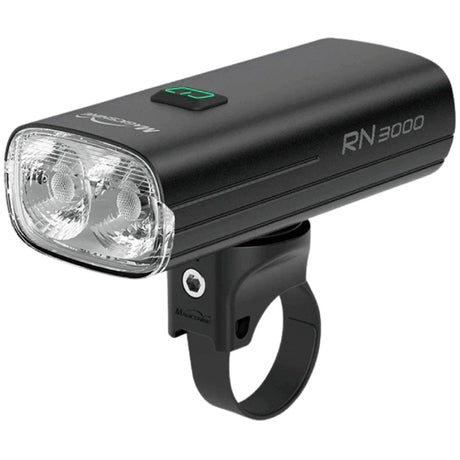
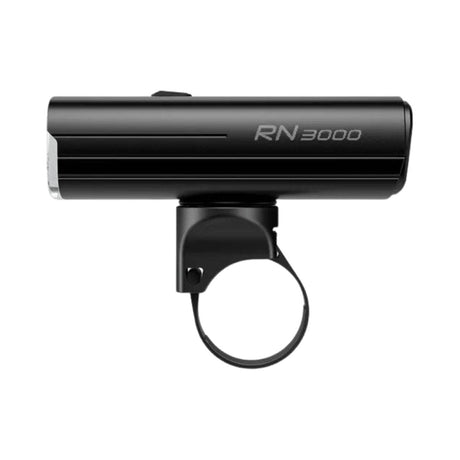
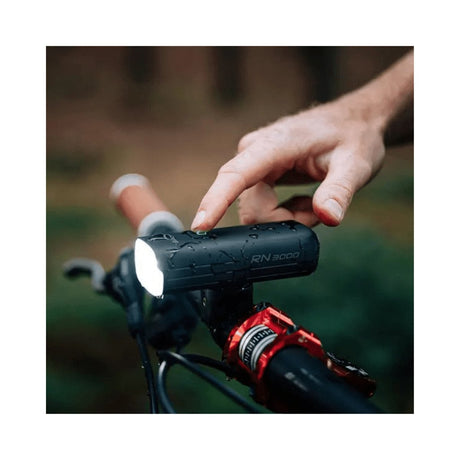
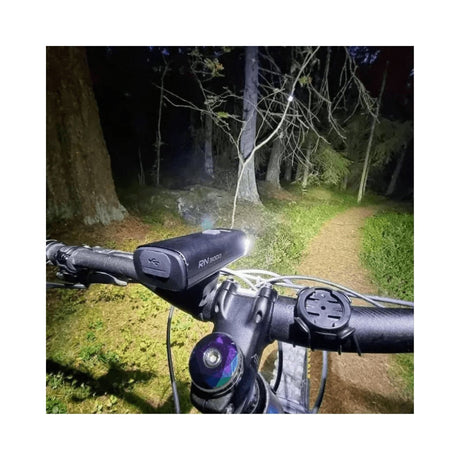
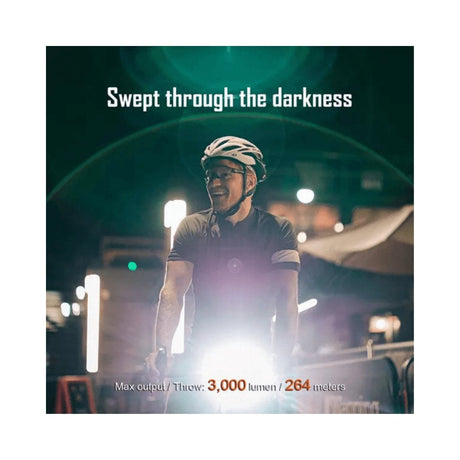
| Fast descents in the dark | 2,000 and up | Magicshine RN3000, ₹13,900 |
Flashing or steady
Both, and for different reasons.
Flashing catches attention and is harder to ignore in peripheral vision. Steady lets people judge where you are and how fast you are closing, which a flashing light makes surprisingly hard. A flashing light alone can also be genuinely disorienting for a driver trying to work out your position at a junction.
The practical answer is to run one of each if you have two rear lights: steady on the seatpost, flashing on the saddlebag or your helmet. If you only have one, use a flash pattern that includes a constant low output underneath it, which most modern lights offer and which gives you both effects at once.
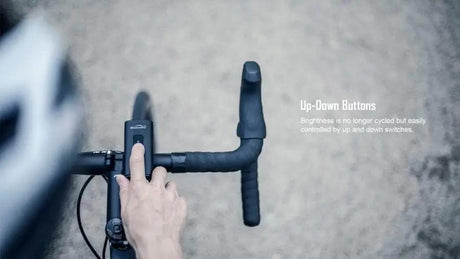
A small mercy of modern lights is that many remember the mode you last used, so you are not cycling through eight settings at a junction.
Radar, and what it now costs

A radar tail light detects vehicles approaching from behind and alerts you on your bike computer, usually with a dot climbing a bar up the side of the screen. It also brightens itself as a vehicle closes.
This used to be an expensive feature and it is not any more, which is worth knowing because most people still assume it is. The Magicshine Seemee 100AD is ₹4,890, against the Lezyne Radar Drive 300 at ₹16,900 and the Lezyne Radar React combo at ₹24,900. That is roughly a third of the price for the core function.
The honest caveat is that radar was designed for open roads with intermittent traffic, where an alert means something. In dense city traffic it will alert more or less continuously, which quickly becomes noise you learn to ignore. Radar earns its money on highway stretches and early morning rides out of the city, not on a commute through Kondapur at 6pm.
There is also a camera option. The Seemee DV at ₹9,750 combines a rear light with a loop-recording camera, which some riders here value for having a record of an incident.
Mounting, and the out-front problem
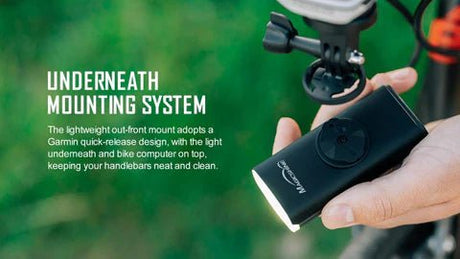
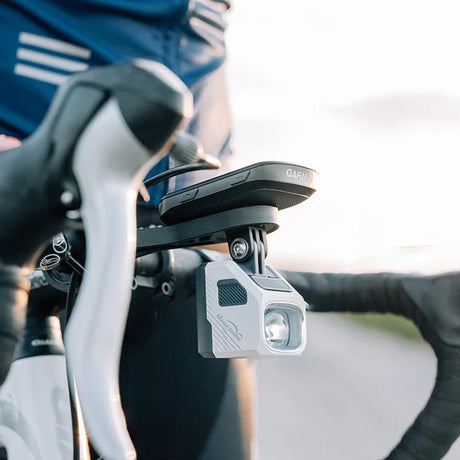
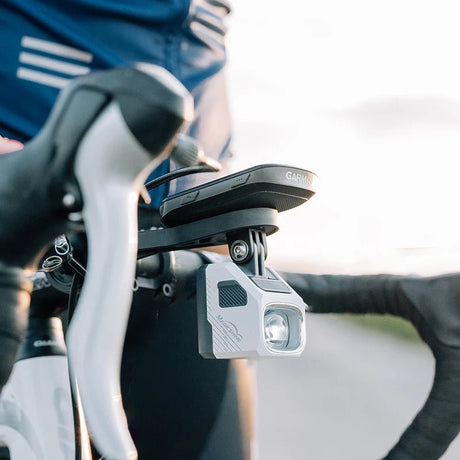
If you run a bike computer on an out-front mount, a normal bar-mounted front light has nowhere sensible to go, and clamping it to the bars next to the stem aims it at your own front wheel.
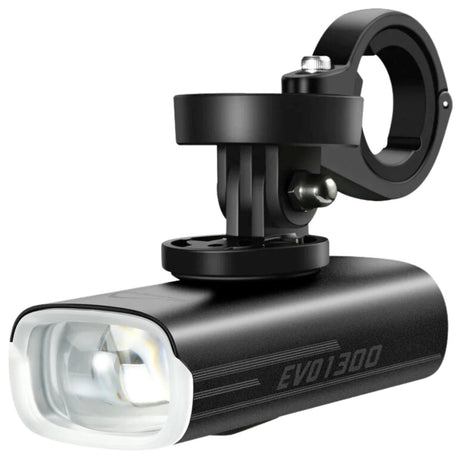
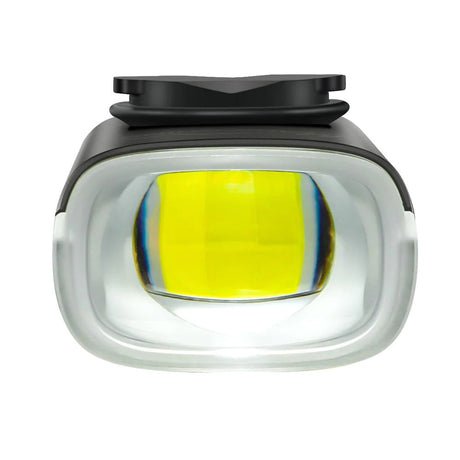
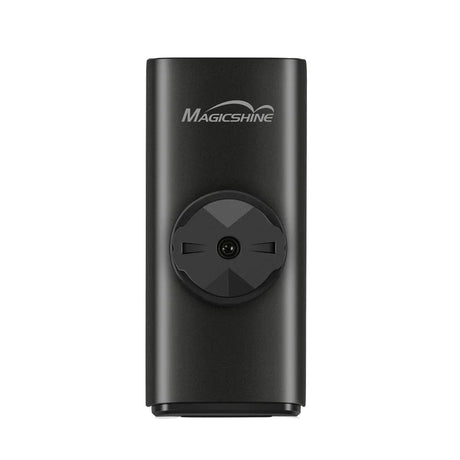
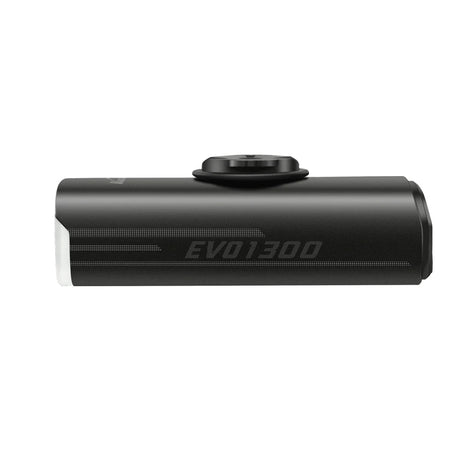
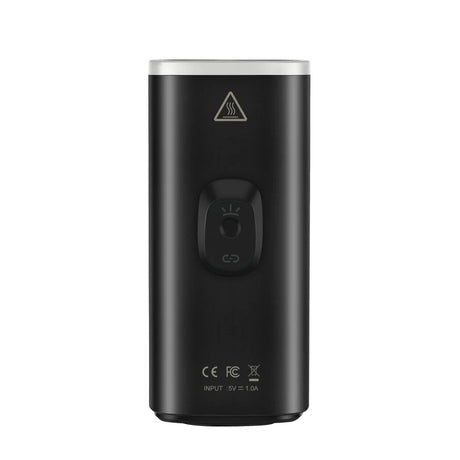
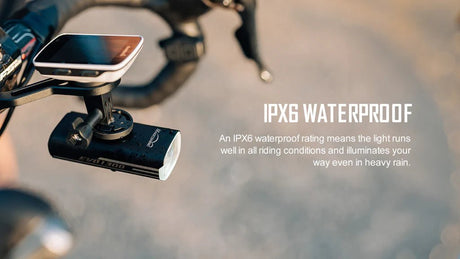
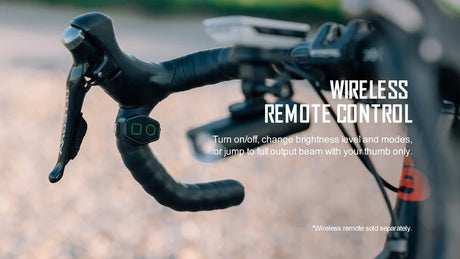
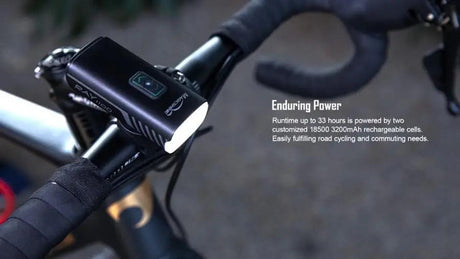
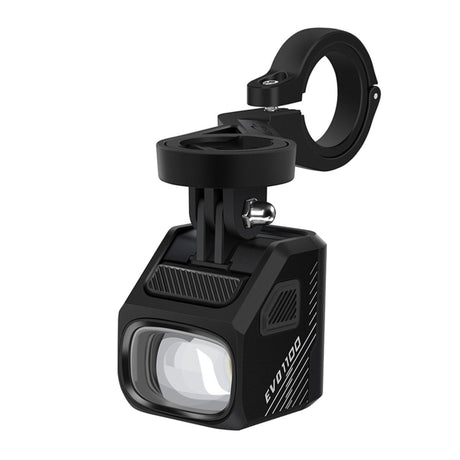
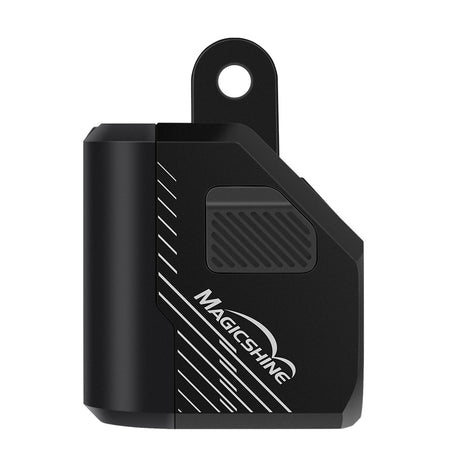
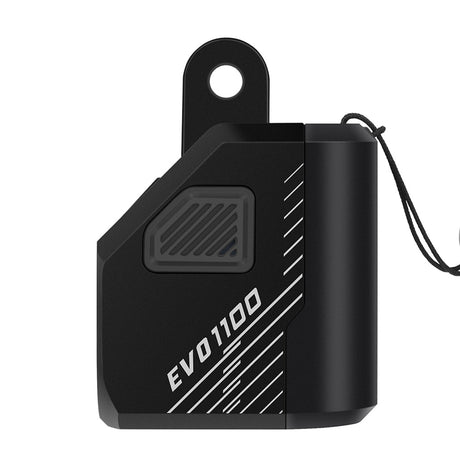
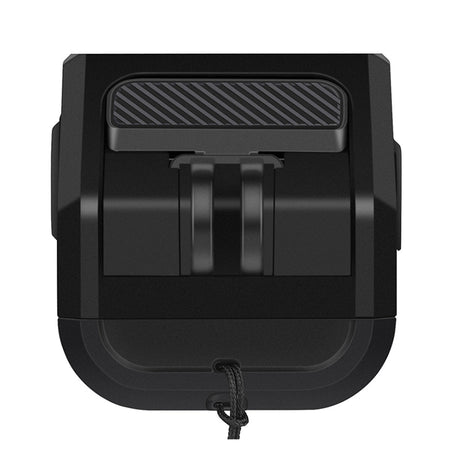
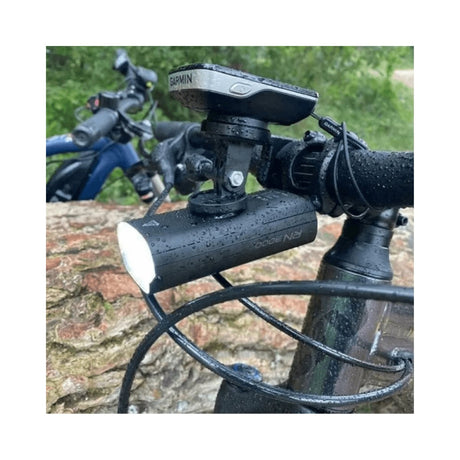
The answer is an underneath-mounted light that bolts to the bottom of the computer mount. The Magicshine EVO series is built for this: the EVO 1100 at ₹6,250 and EVO 1300 at ₹6,990 both mount this way, and the EVO 1700SD at ₹9,475 adds Di2 compatibility so you can control it from your shifters.
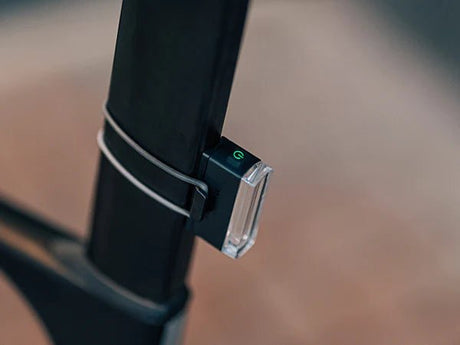
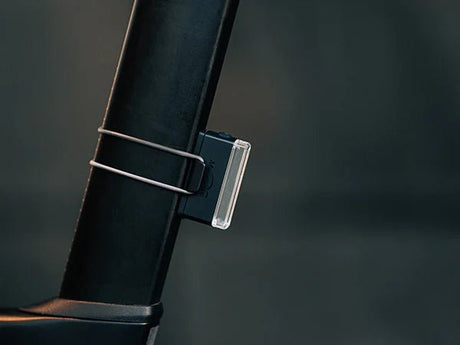
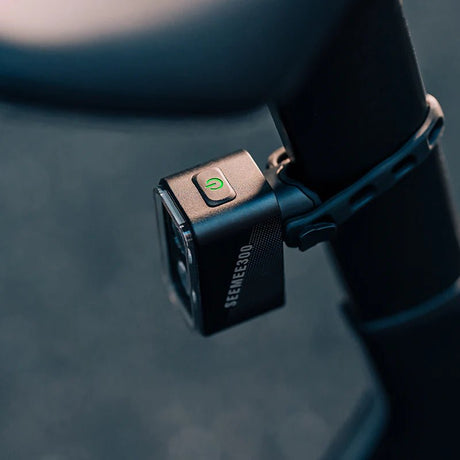
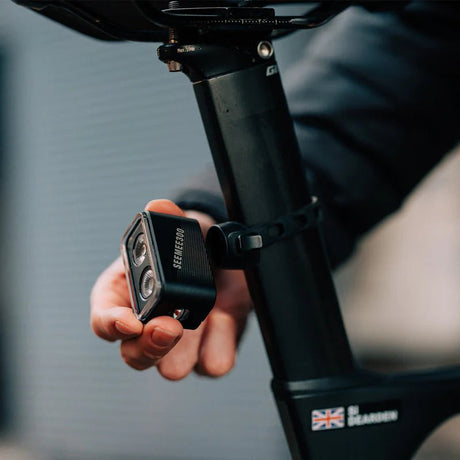
At the back, the mounting decision is usually seatpost or saddle rails. A seatpost light is blocked by a saddlebag, which most commuters have, so check clearance. The Seemee 50 Mag at ₹2,995 uses a magnetic mount, which means you can pull it off in a second when you park in public, and that matters more than it sounds.
What to buy at each budget
| Budget | Front | Rear |
|---|---|---|
| Around ₹2,500 | Lezyne Femto, ₹1,275 | Cateye Omni 3, ₹1,190 |
| Around ₹5,000 | Cateye Ampp 400S, ₹3,190 | Seemee 30TL, ₹1,850 |
| Around ₹8,000 | Allty 400 V2.0, ₹3,295 | Seemee 200 V3.0, ₹4,690 |
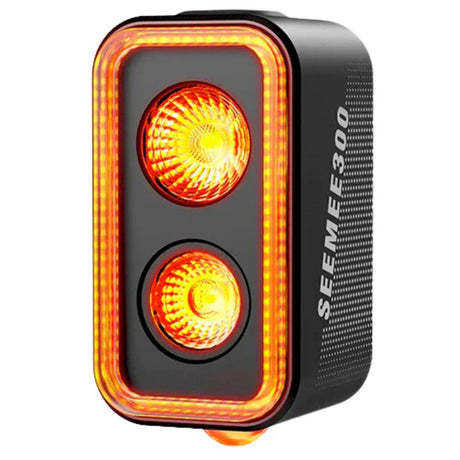
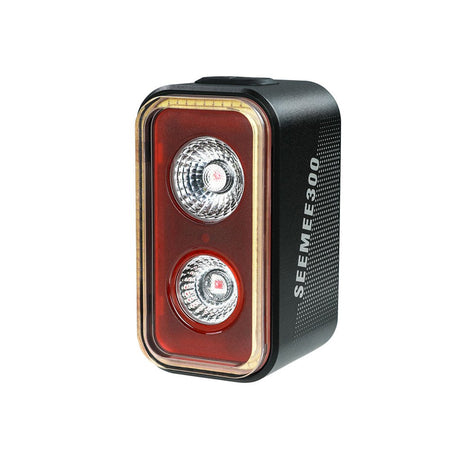
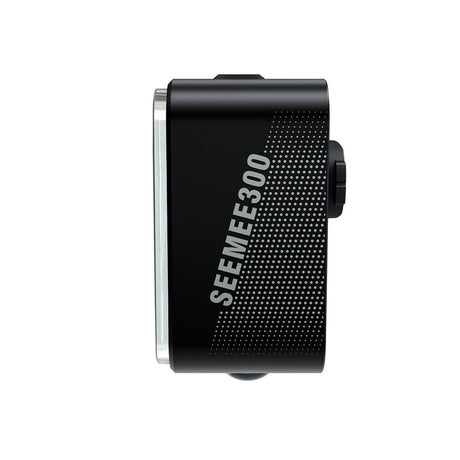
| Around ₹12,000 | Allty 800 V2.0, ₹5,890 | Seemee 300, ₹5,490 |
| Around ₹12,000, radar | Allty 800 V2.0, ₹5,890 | Seemee 100AD, ₹4,890 |
| Around ₹20,000 | EVO 1300, ₹6,990 | Seemee DV camera, ₹9,750 |
If you want one recommendation: the Allty 400 up front and the Seemee 200 V3.0 at the back, around ₹8,000 for the pair. That is a front light properly shaped for lit streets and a rear light bright enough to work in daylight, which is the combination that actually keeps you safe in a city.
Prices are indicative and move with exchange rates and import duty.
FAQs
How many lumens do I actually need to see on a genuinely unlit road?
Around 800 lumens is the point at which you can ride at a normal pace on an unlit road without feeling like you are outrunning your light, and 1,100 to 1,300 is comfortable. Above that you are buying for descending speed rather than for seeing, because the faster you go the further ahead you need to read the surface. What changes the answer more than the number is the beam: a well shaped 800 lumen light spread across the road beats a 1,500 lumen spot that lights up one bright circle and leaves the edges dark.
Does a flashing light dazzle or annoy other road users?
It can, and this is worth taking seriously rather than dismissing. A very bright flashing front light aimed level is genuinely disorienting for oncoming traffic and for other cyclists, and in a group ride it is antisocial. The fix is simple: aim the front light down so the bright part of the beam lands on the road fifteen or twenty metres ahead rather than at eye height, and use steady rather than flash when riding in a group. At the rear, flashing is fine and useful, though a pattern with a constant element underneath is kinder to the person behind you.
Can I charge these from a power bank during a long ride?
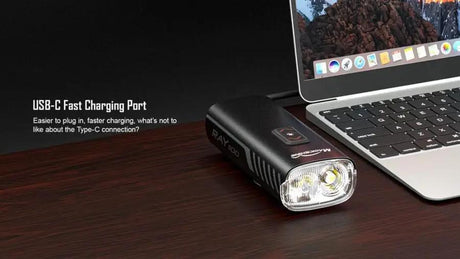
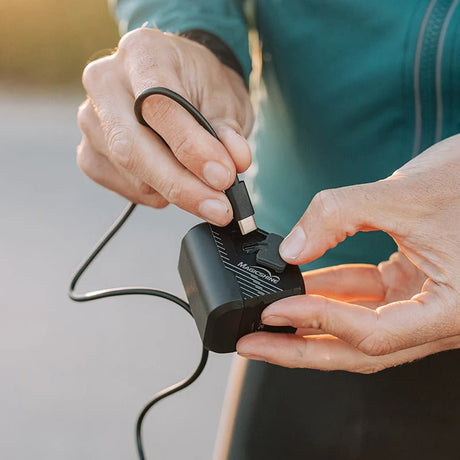
Most modern lights charge over USB-C and will run while charging, so a power bank in a top tube bag extends a long night ride indefinitely. Two things to check before relying on it. Some lights run at reduced output while charging to manage heat, so you may not get full brightness. And the charging port cover is the weak point for water ingress, so if you are riding in rain with a cable plugged in, the seal is open. For a brevet or an overnight ride it works well; for a wet commute, just charge at home.
Where should I mount a rear light if I run a saddlebag?
The saddlebag is usually the better location rather than the problem, because most bags have a light loop on the back and it sits higher and more visibly than a seatpost mount. If your light only has a seatpost bracket, check it is not half obscured by the bag before you set off, since a partly blocked light is worse than it looks from where you sit. Saddle rail mounts are the other clean option and they keep the light clear of everything. If you carry a rack and panniers, mount the light on the rack rather than the post.
Is a radar light worth it for riding in Indian city traffic?
Less than the marketing suggests, and the reason is density rather than any fault in the technology. Radar works by telling you something has changed behind you, which is valuable on a quiet road where a single approaching vehicle is news. In city traffic there is always something behind you, so the alert fires constantly and becomes background noise within a week. Where it genuinely earns its place is the highway stretch on an early morning ride out of the city, or a long straight road where a vehicle closing fast is the thing you cannot hear coming. If most of your riding is a commute, spend the money on a brighter rear light instead.
Narrowing it down
Not sure what suits your route? Ask TBA Guide with your usual ride time and whether the roads are lit, and we will narrow it to a front and rear pair.