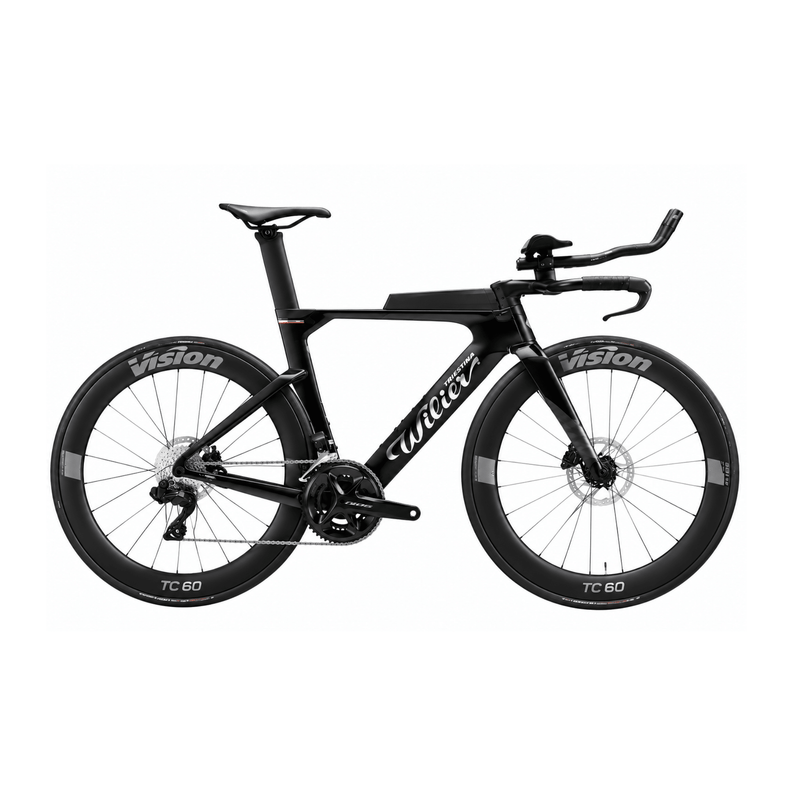
Short answer: an endurance road bike has a taller, more upright position and room for wider tyres, and suits most riders who do long weekend rides, brevets and rough roads. An all-round race bike is lighter and lower at the front, for fast group rides and climbing. An aero bike is shaped to cut wind resistance, which pays off above about 30 km/h on flat roads, at the cost of a firmer ride. If you are unsure, choose endurance or all-round: they fit more riders and more roads.
Most road bike ranges are split into three families, and the names change from brand to brand: Synapse and SuperSix Evo at Cannondale, or Scultura Endurance, Scultura and Reacto at Merida. Underneath the names, the differences are consistent. This guide explains how the three types differ, how fast riders actually go on Indian group rides, and which bikes in each family we stock.
- The three types at a glance
- What geometry changes
- How much aero matters
- Endurance bikes
- All-round race bikes
- Aero bikes
- Which type suits you?
- FAQ
- Getting help
The three types at a glance
| Endurance | All-round race | Aero | |
|---|---|---|---|
| Position | Taller and shorter, more upright | Lower and longer | Lower and longer |
| Tyre clearance | Wide, often 32mm or more | Usually 28 to 32mm | Usually 28 to 32mm |
| Ride feel | Smoothest, most stable | Light and lively | Firmest, fastest on the flat |
| Weight | Middle | Lightest | Slightly heavier |
| Best for | Long rides, brevets, rough roads, newer riders | Fast group rides, climbing, racing | Flat and rolling roads, breakaways, triathlon |
What geometry changes
Two numbers describe how a bike positions you. Stack is how high the handlebars sit, and reach is how far forward they are. An endurance bike has more stack and less reach in the same size, so you sit more upright with less weight on your hands and less strain on your neck and lower back.
Endurance bikes also usually have a longer wheelbase and a slightly slacker head angle, which makes them steadier at speed and on broken roads. Race and aero bikes steer more quickly, which feels sharp in a group and on descents, but can feel nervous if you are coming from a hybrid.
Fit matters more than type. A race bike that is the right size can be more comfortable than an endurance bike that is too long. Our guide to checking whether your bike is the right size explains what to look for.
How much aero matters
At cycling speeds, most of your effort goes into pushing air out of the way, and the rider makes up most of that drag, not the bike. That has three practical consequences.
- Your position matters more than the frame. Riding lower, with elbows bent and narrower hands, saves more than any frame shape.
- Aero frames pay off at speed. The gain from an aero frame and deep wheels grows as you go faster. On flat roads above about 30 km/h it is real and measurable. On a steady 22 to 26 km/h group ride, or on long climbs, it matters much less.
- Deep wheels are the biggest single aero upgrade on any type of bike. Our guide to carbon wheel upgrades compares the options.
Endurance bikes

An endurance bike is the right choice for most riders who ride for fitness, long weekend distances or brevets, and for anyone with a stiff back or neck. The wider tyres matter on Indian roads, because they smooth out patched and broken surfaces and grip better on gravel shoulders.
- Pardus Super Sport Gen2 105 12S, ₹1,79,990: carbon frame with room for 40mm tyres.
- Cannondale Synapse 2, ₹1,78,999: aluminium, with clearance for 32mm tyres.
- Merida Scultura Endurance 4000, ₹2,44,990: carbon, Shimano 105 12-speed, with a longer head tube for a more relaxed position.
- Cannondale Synapse Carbon 4, ₹3,25,320: carbon, 105 Di2, 32mm tyres and storage inside the down tube.
- Pinarello X1 105, ₹3,29,070: Pinarello's endurance geometry, for riders who want the brand without a pro race position.
All-round race bikes
An all-round race bike is light, stiff and quick-handling, and climbs well. It suits riders who do fast group rides, race, or simply enjoy a bike that responds instantly. Many now include aero tube shapes too, so the line between all-round and aero is narrowing.
- Basso Venta R 105, from ₹2,09,990: a versatile carbon all-rounder. Our Venta R build guide compares the builds.
- Merida Scultura 5000, ₹3,05,990: a lightweight climber's bike. See our Scultura guide.
- Cannondale SuperSix Evo 4, ₹3,03,750: a race bike with aero shaping, reviewed in our SuperSix Evo 4 review.
- Orbea Orca M30 105, ₹2,84,990: a light carbon race frame.
Aero bikes
An aero bike uses deep, flat-backed tube shapes and usually an integrated cockpit to cut drag. It suits strong riders on flat and rolling roads, sprinters, and triathletes who want one bike for racing and group rides. Expect a firmer ride and less adjustable handlebar height.
- Gusto Duro Evo 105, from ₹1,99,990: the most affordable carbon aero bike we stock. See our Duro Evo build guide.
- Merida Reacto 4000, ₹2,69,990: a proven aero race frame. Our Reacto guide covers the range.
- Pardus Spark 105 Di2, ₹2,69,990: an aero race bike with electronic shifting.
- Look 795 Blade 105, ₹3,90,000: an aggressive aero frame from the French brand.
Prices are indicative and move with exchange rates and import duty. See all road bikes, and our guide to what each road bike budget buys.
Which type suits you?
| If you | Choose |
|---|---|
| Are new to road bikes, or have back or neck stiffness | Endurance |
| Ride brevets, centuries or rough roads | Endurance |
| Ride fast group rides and want one bike for everything | All-round race |
| Climb a lot | All-round race |
| Ride fast on flat roads, sprint or race triathlons on a road bike | Aero |
Whichever you choose, a good test ride tells you more than any table. Our test ride checklist explains what to check.
FAQ
Are aero road bikes worth it?
An aero road bike is worth it if you regularly ride above about 30 km/h on flat or rolling roads, race, or sprint, because the time it saves grows with speed, but on steady group rides around 25 km/h, on long climbs or on rough roads, a lighter all-round bike or a more comfortable endurance bike usually serves you better. Your position matters more. Deep wheels are the cheaper aero upgrade.
Is an endurance road bike slower than a race bike?
Only slightly, because an endurance bike puts you a little higher and catches a little more wind, but for most riders the difference over a long ride is small, and it is often cancelled out by being able to hold a comfortable position for longer, eat and drink easily and ride wider tyres over broken roads without losing speed. Fatigue costs more time than frame shape. Comfort keeps you fast.
Which type of road bike is best for brevets and long rides?
An endurance road bike is usually best for brevets and rides over 150 km, because its taller position reduces strain on your neck, back and hands over many hours, its longer wheelbase is steadier when you are tired, and its wider tyre clearance and extra mounts make room for comfortable tyres, bags and more bottles. Get the fit right first. A bike fit helps on long distances.
Can you make an aero bike more comfortable?
Yes, to a point: fitting the widest tyres the frame accepts at a lower pressure, a saddle that suits your sit bones and bar tape with more padding all make an aero bike noticeably more comfortable, but handlebar height is often limited by the integrated cockpit and its spacers, so check the position suits you before buying. Test ride it first. Our tyre pressure guide helps.
What do stack and reach mean on a road bike?
Stack is the vertical distance from the centre of the bottom bracket to the top of the head tube, and reach is the horizontal distance between the same two points, so together they describe how high and how far forward the handlebars sit, and comparing them between bikes in the same size shows which one puts you more upright. Higher stack means more upright. Longer reach means more stretched.
Getting help
Tell us how you ride, how far and how fast, and we will suggest the type and the size that suit you. Ask TBA Guide, and we will narrow it down.