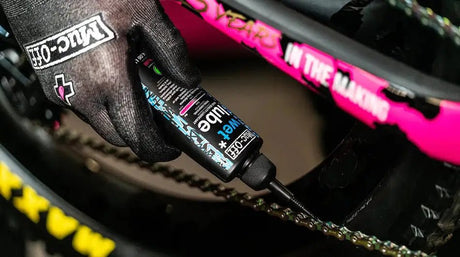
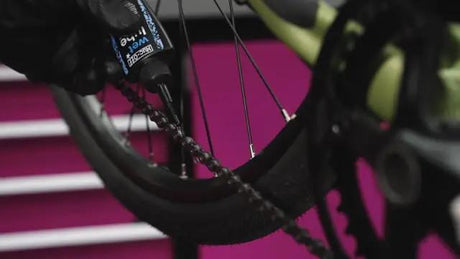
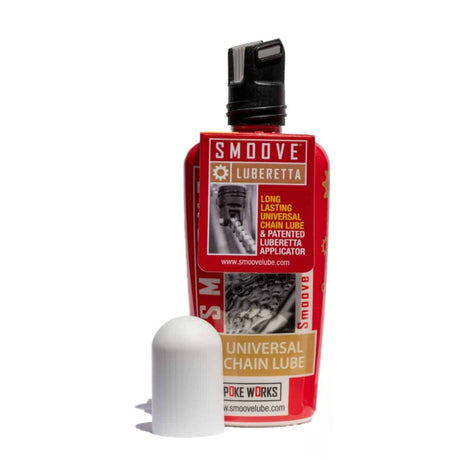
Bike lubricants for the whole bike: wet, dry, all-weather, ceramic and wax chain lubes, plus hydraulic brake fluids, suspension oils, greases and protective sprays. Choosing the right bike chain lube for the conditions you ride in does more for a quiet, long-lasting drivetrain than the brand on the bottle.
Read more: wet, dry or wax, how often to lube, brake fluids and common mistakes
Wet, dry or wax
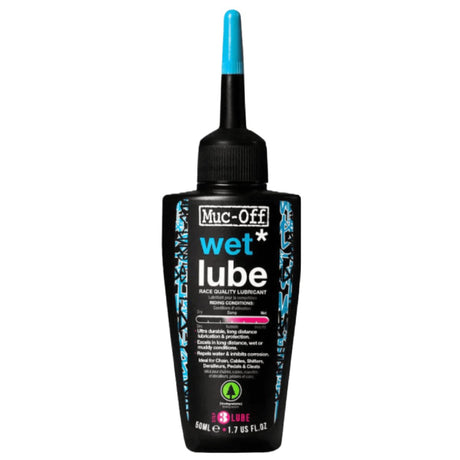
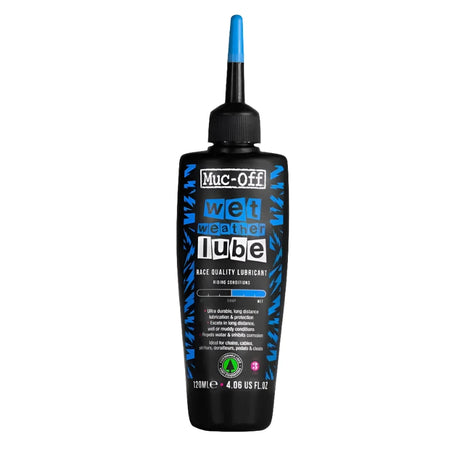
Wet lube is thicker and clings to the chain through rain and puddles, so it is the right choice for the monsoon. The downside is that it holds on to dust and grit, which turns into a grinding paste once the roads dry out.
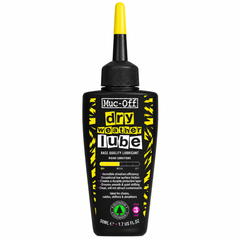
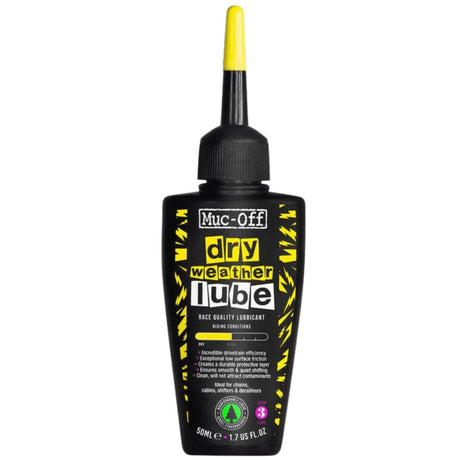
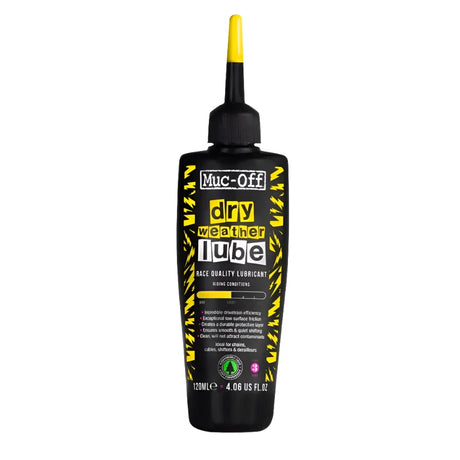
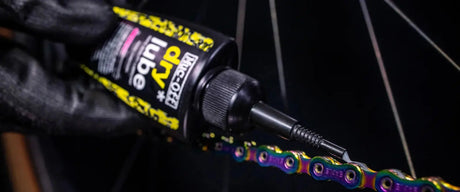
Dry lube goes on thin and leaves a lighter film that picks up far less dirt. It suits the dry, dusty months most of India rides in, but it washes off in rain and needs topping up more often.
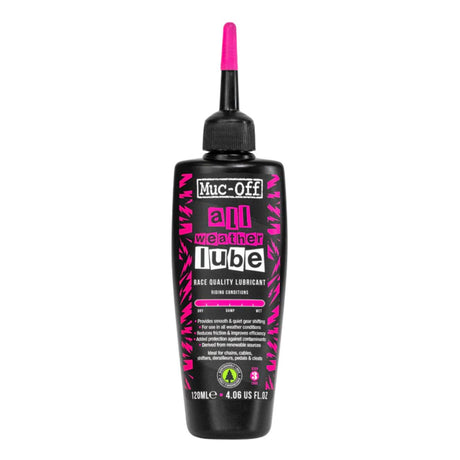
All-weather lube sits between the two and is a sensible single bottle if you do not want to switch with the seasons.
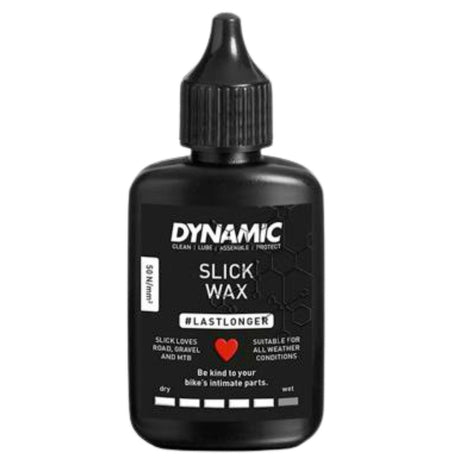
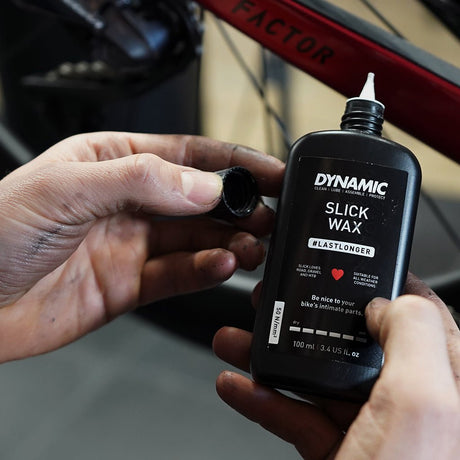
Wax runs cleanest of all. Drip-on wax lubes are applied like any other lube, while hot melt wax is melted in a pot and the chain is soaked in it. Hot melt wax needs a completely degreased chain to start with, so it suits riders willing to put in the preparation. Ceramic lubes are a further option at the performance end of the range.
How often, and how to apply it
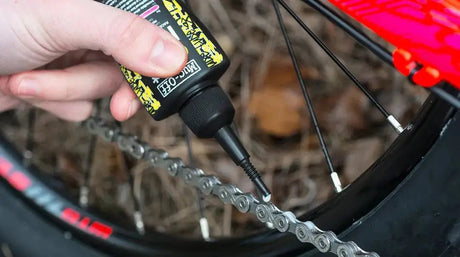
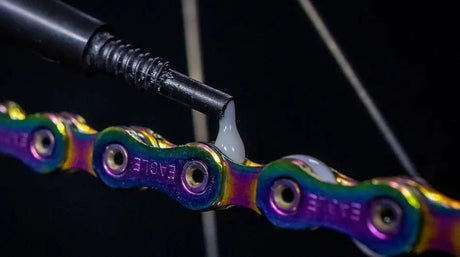
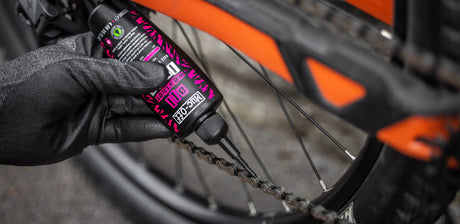
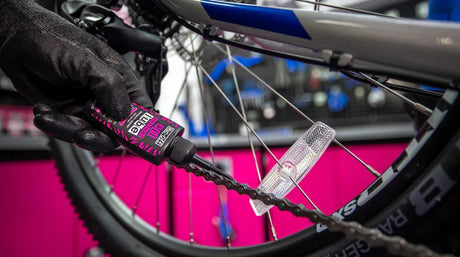
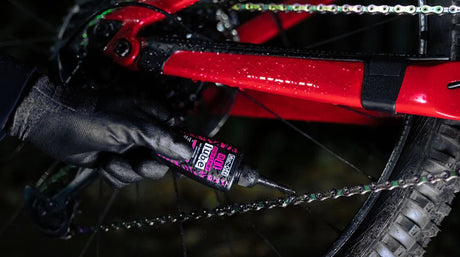
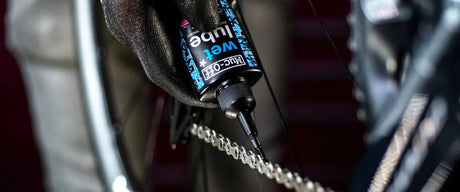
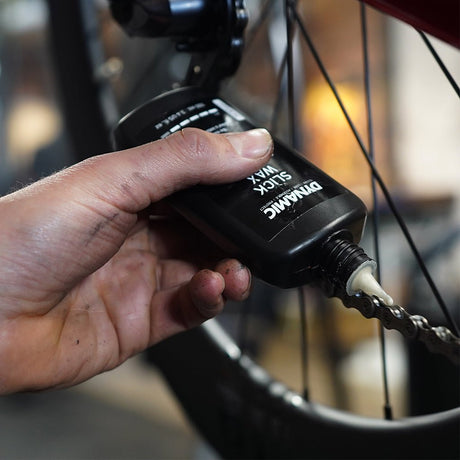
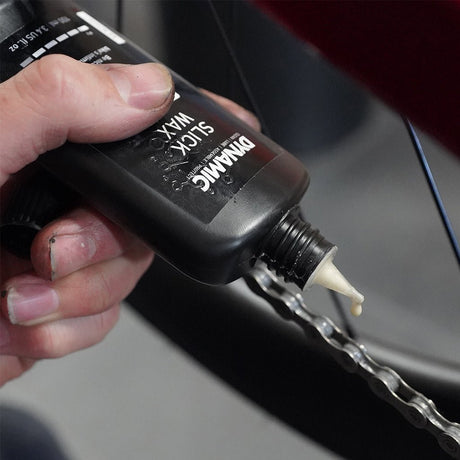
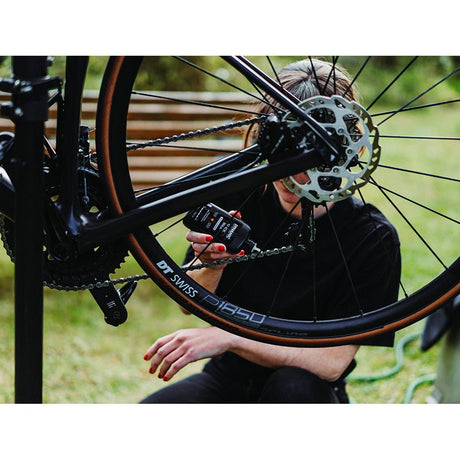
Lube a clean chain, never a dirty one. Wipe or degrease the chain first, then put one drop on each roller while turning the cranks backwards, let it soak in for a few minutes and wipe off the excess from the outside of the chain. The lube does its work inside the rollers, and anything left on the outside only collects dirt.
Relube after any wet ride, and otherwise when the chain starts to sound dry or noisy. Dry lube needs it more often than wet; a waxed chain goes longer between treatments but must be rewaxed rather than topped up with an oil-based lube.
Brake fluid is not interchangeable
Hydraulic disc brakes use either mineral oil or DOT fluid, and the brake decides which. Shimano and Tektro hydraulic brakes generally use mineral oil, while many SRAM and Avid brakes use DOT 5.1. Never mix the two or put the wrong one in a system: it damages the seals. DOT fluid also strips paint, so wipe up spills straight away. Check the lever, the reservoir cap or the brake manual before you buy.
Suspension, bearings and threads
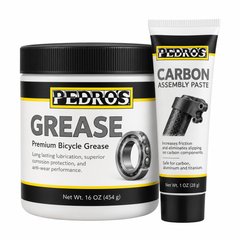
Suspension oils and stanchion lubricants keep forks and shocks moving smoothly, and should match what the fork maker specifies. Grease protects bearings and threads, and anti-seize is used where metals meet and might otherwise bind, such as some threaded parts and fittings.
Common mistakes
Too much lube is the most common one. Others are spraying near brake discs and pads, which contaminates them and costs you braking, and using a general household spray as a chain lube: it cleans more than it lubricates and leaves the chain dry within a ride.
Not sure which lube suits your riding or your brakes? Ask TBA Guide, our chat assistant.