Triathlon Bikes
17 bikes
Triathlon and TT bikes built around a steep seat angle and aero bars so you can hold a low, narrow position and save your legs for the run. They are for triathletes and time triallists who race on their own against the clock, and on these bikes fit matters more than any other choice you make.
Read more: TT vs triathlon bikes, whether you need one, budget and fit
TT bike or triathlon bike
The two look almost the same and the names are often used for the same bike. A time trial bike is built to the UCI rules that govern road time trials, which limit tube shapes, saddle position and add-ons. A triathlon bike does not have to follow those rules, so it can use a steeper seat angle, integrated storage for food and tools, and built-in hydration. For triathlon, a tri-specific frame is the more practical choice; if you also race UCI time trials, check the frame is UCI-legal.
Do you need one yet
For a first sprint or Olympic-distance race, a road bike with clip-on aero bars gets you most of the benefit and still works for group rides and climbing. A triathlon bike earns its place once you are training for half or full distance, where hours on the aero bars add up, and you are sure the sport is staying. Two more things to weigh: tri bikes handle less sharply and are not welcome on the aero bars in a group ride, and draft-legal races generally require a road bike.
How much to spend
Entry level means an aluminium or entry carbon frame with a Shimano 105 level groupset and an aero cockpit. That is the right start for most first-time owners.
Mid-range brings a lighter, more aero carbon frame, often with deep carbon wheels and Ultegra or Ultegra Di2.
Top end is fully integrated superbikes with electronic shifting, integrated storage and built-in hydration. A good position on a mid-range bike still beats a poor one on a superbike.
Fit and sizing
Size a triathlon bike on stack and reach, not on the frame size label, and check how much the aero bars and pads can be adjusted for height and length. The fastest position is the one you can hold for the whole bike leg and still run well afterwards, which is rarely the lowest one. Buy too low or too long and you end up sitting up, which wastes the bike. A professional fit before or straight after you buy is money well spent.
Living with a tri bike
Deep wheels catch crosswinds, so if you ride exposed highways, get used to them in calm conditions first. In the heat, the bike's own hydration and storage matter on long rides, so check how much it carries. Disc brakes stay consistent in the monsoon, while rim brake models are lighter and simpler to maintain.
Not sure which size or level suits your racing? Ask TBA Guide, our chat assistant.
Start here
What kind of riding?
Pick the line that sounds like you. Every bike is still below.
- Up to ₹2,50,000Your first race bikeAero where it counts, without the pro price.See these bikes
- ₹2,50,000 and upRace readyIntegrated cockpits, deep wheels, every watt saved.See these bikes
- Not ready for a TT bike?Road bike plus aerobarsClip-on aerobars make a road bike race-legal for most events.See aerobars
- Something specific in mind?Build your ownPick the frame, groupset and wheels. We check the fit.Start a build
 Up to 26% off
Wilier Turbine SL Vision TC 60 Triathlon Bicycle
Shimano 105 · Disc Brakes
In stock: XS/S M
Sale price ₹4,99,990 Regular price ₹6,79,990Unit price Up to 25% off
Wilier Turbine SL Reynolds AR 60 Triathlon Bicycle
Shimano 105 · Disc Brakes
In stock: XS/S M
Sale price ₹5,49,990 Regular price ₹7,29,990Unit price Up to 14% off
Pardus Gomera Ultra 105 11S MVMT M-Bronze 50 Triathlon Bicycle
Shimano 105 · Disc Brakes
Only size L
Sale price ₹2,99,990 Regular price ₹3,49,990Unit price


Felt IAx Advanced Ultegra Di2 Triathlon Bicycle
Shimano Ultegra Di2 · Disc Brakes
Only size 48
Regular price ₹6,59,990Unit price
Cervelo P5 Ultegra Di2 Triathlon Bicycle 2025
Shimano Ultegra Di2 · Disc Brakes
Only size 51
Regular price ₹9,25,999Unit price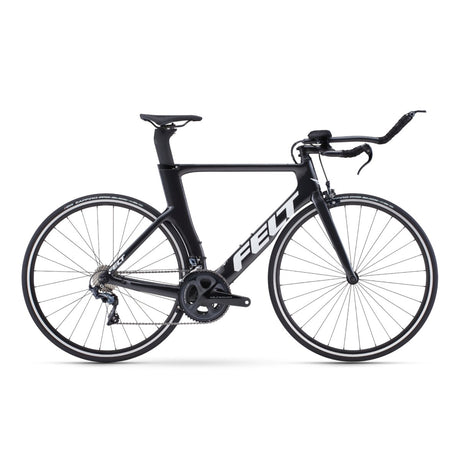
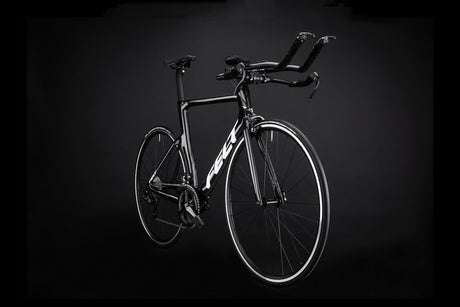
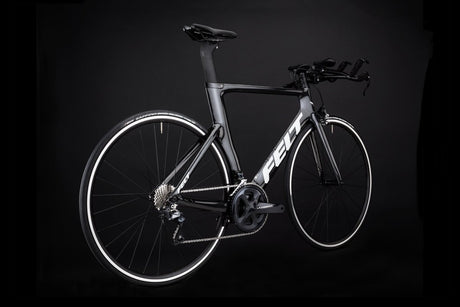
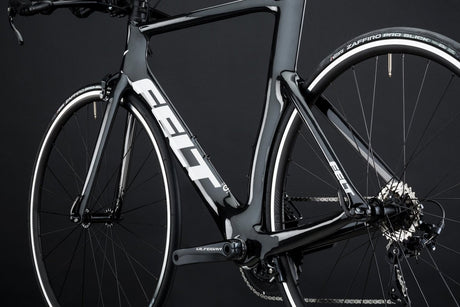
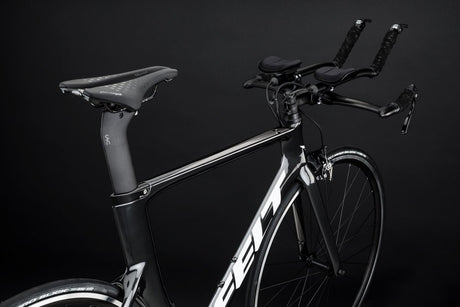
Felt B Performance Ultegra Triathlon Bicycle
Shimano Ultegra · Rim Brakes
Only size 47
Regular price ₹2,79,990Unit price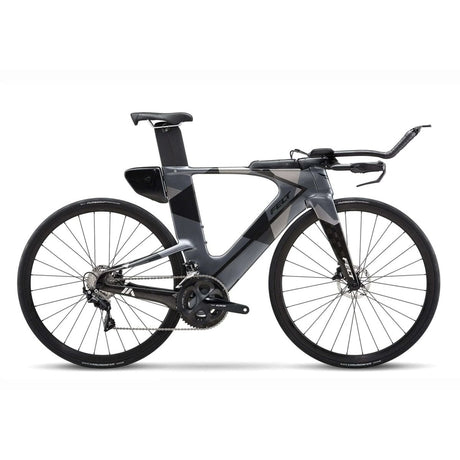
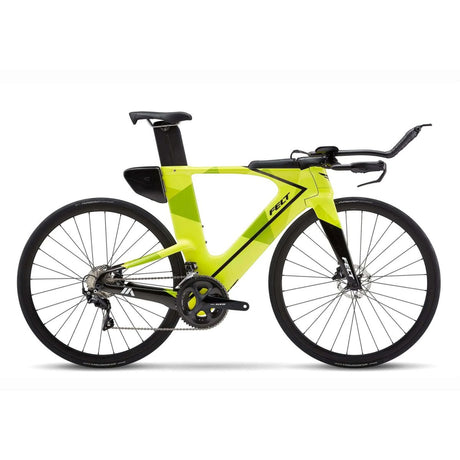
Felt IA Advanced 105 Triathlon Bicycle
Shimano 105 · Disc Brakes
Only size 48
Regular price ₹4,69,990Unit price Sold out
Pardus Gomera Ultra 105 11S Vision TC 60 Triathlon Bicycle
Shimano 105 · Disc Brakes
Sale price ₹3,19,990 Regular price ₹3,79,990Unit price Sold out
Pardus Gomera Ultra 105 11S PW3 Aluminum Triathlon Bicycle
Shimano 105 · Disc Brakes
Sale price ₹2,49,990 Regular price ₹2,99,990Unit price Sold out
Cervelo P5 Ultegra Di2 Triathlon Bicycle 2026
Shimano Ultegra Di2 · Disc Brakes
Regular price ₹9,25,999Unit price Sold out
Felt B Performance 105 Triathlon Bicycle
Shimano 105 · Rim Brakes
Regular price ₹2,34,990Unit price


 Sold out
Felt IAx Advanced 105 Triathlon Bicycle
Shimano 105 · Disc Brakes
Regular price ₹4,69,990Unit price


 Sold out
Felt IA FRD 2.0 Ultimate Ultegra Di2 Triathlon Bicycle
Shimano Ultegra Di2 · Disc Brakes
Regular price ₹9,99,990Unit price


 Sold out
Felt IA FRD 2.0 Ultimate RED eTap AXS Triathlon Bicycle
Sram Red eTap AXS · Disc Brakes
Regular price ₹15,09,990Unit price Sold out
Felt IA Advanced 105 Rim Brake Triathlon Bicycle
Shimano 105 · Rim Brakes
Regular price ₹3,09,990Unit price Sold out
Felt IA Advanced Ultegra Triathlon Bicycle
Shimano Ultegra · Disc Brakes
Regular price ₹5,79,990Unit price
 Sold out
Merida Time Warp Tri 5000 Triathlon Bicycle
Shimano 105 · Disc Brakes
Regular price ₹5,29,990Unit price


Other bike types
Frequently Asked Questions
What is the difference between a TT bike and a triathlon bike?
What is the difference between a TT bike and a triathlon bike?
A TT bike is built to the UCI rules for road time trials, which limit tube shapes, saddle position and add-ons, while a triathlon bike is free of those rules and can use a steeper seat angle, built-in hydration and storage. For triathlon, a tri-specific frame is the more practical choice unless you also race UCI time trials.
Can I do a triathlon on a road bike?
Can I do a triathlon on a road bike?
Yes, a road bike with clip-on aero bars is the right choice for a first sprint or Olympic-distance triathlon, and draft-legal races generally require one. A dedicated triathlon bike starts to pay off at half and full distance, where you spend hours on the aero bars and a steeper position saves your legs for the run.
How much should I spend on a triathlon bike?
How much should I spend on a triathlon bike?
Most first-time owners are best served by an aluminium or entry carbon triathlon bike with a 105 level groupset and an aero cockpit. Mid-range carbon bikes add lighter, more aero frames, often with deep wheels and electronic shifting, and top-end superbikes are for competitive athletes. A good fit matters more than the price.
What size triathlon bike do I need?
What size triathlon bike do I need?
Size a triathlon bike on stack and reach rather than the frame size label, and check how far the aero bars and pads adjust for height and length. The right size lets you hold your position for the whole bike leg and still run well afterwards, so a professional bike fit before or just after you buy is worth it.
Is a triathlon bike worth it for an Ironman?
Is a triathlon bike worth it for an Ironman?
Yes, a triathlon bike is the best tool for an Ironman, because the steep seat angle and aero bars let you hold a low, efficient position for 180 km and still run a marathon afterwards. Choose one with room for hydration and food, wheels you can handle in crosswinds, and a position you can hold for five hours or more.