
 Up to 18% off
 Up to 14% off
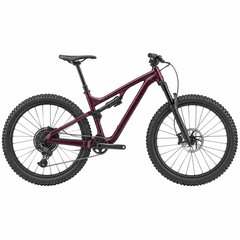
Polygon Bend R5 27.5 Gravel Bicycle 2023
Shimano GRX · Disc Brakes
Sale price ₹159,990 Regular price ₹185,990Unit price


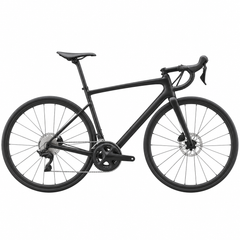
Look 765 Gravel RS Disc Brake Gravel Bicycle
Sram Rival eTap AXS · Disc Brakes
Regular price ₹540,000Unit price


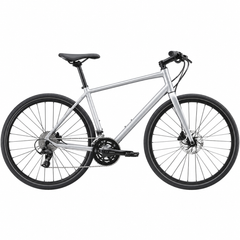
Cannondale Topstone 2 GRX 2X Gravel Bicycle
Shimano GRX · Disc Brakes
Regular price ₹170,100Unit price


Colnago G4X Gravel Bicycle - ICBL
Regular priceFrom ₹529,990Unit price




Frequently Asked Questions
What is a gravel bike and do I need one in India?
What is a gravel bike and do I need one in India?
A gravel bike is a drop-bar bike with clearance for wide tyres and a more relaxed position than a road bike. In India it makes particular sense: it handles broken tarmac, unpaved village roads and potholes that would be uncomfortable or risky on 28mm road tyres, while still being efficient on good surfaces.
What is the difference between a gravel bike and a road bike?
What is the difference between a gravel bike and a road bike?
Gravel bikes have clearance for tyres of 38mm and wider, a longer wheelbase for stability, a taller front end and lower gearing. Road bikes are faster on smooth tarmac and lighter. If most of your riding involves surfaces you do not fully trust, the gravel bike is the more useful bike.
How much should I spend on a gravel bike?
How much should I spend on a gravel bike?
An entry-level alloy gravel bike with hydraulic disc brakes does everything most riders need and is the sensible starting point. Mid-range bikes add better groupsets, lighter frames and better wheels, which you notice on long days. Race-oriented carbon gravel bikes are built for speed at events. Decide how and where you will ride first, then set your budget.
Can I use a gravel bike for commuting and long road rides?
Can I use a gravel bike for commuting and long road rides?
Yes, and many riders here do. Fit faster-rolling tyres and a gravel bike makes an excellent all-round bike: comfortable enough for brevets, stable enough for bad roads, and usually able to take mudguards and racks, which most road bikes cannot.
What tyre width should I run on a gravel bike?
What tyre width should I run on a gravel bike?
38mm to 42mm suits most Indian riding, giving comfort on broken surfaces without losing much speed on tarmac. Go wider, up to 45mm or more, for genuinely rough tracks. Check the maximum clearance listed on the product page before buying tyres, as it varies by frame.