Short answer: you can find out in ten minutes with a tape measure. Check how much clearance you have standing over the top tube, how much seatpost shows at your correct saddle height, how far your bars can go up or down, and whether your stem and saddle are pushed to the limits of their adjustment. If several of those are at an extreme, the frame is the wrong size, and no amount of adjusting will fix it. If they are all comfortably in the middle, your bike is the right size and any discomfort is a setup problem.
A surprising number of riders are on a bike that does not fit them. It is rarely anyone's fault. They bought by a height chart, or bought the size that was in stock, or bought second-hand, or chose a frame for the flexible rider they hoped to become. The trouble is that a wrong-sized frame does not feel wrong at first. It feels fine for half an hour, and then it shows up as a sore back, numb hands, or a nagging sense that the bike is harder work than it should be.
The question this guide answers is a narrow one: is the frame the wrong size, or is it just set up badly? They feel the same from the saddle, but they have completely different fixes.
- Why it matters which one it is
- Six checks you can do at home
- Reading the results
- Right size, wrong shape
- What to do if it is the wrong size
- FAQ
- Getting a second opinion
Why it matters which one it is
Some parts of your position can be changed on any bike: saddle height, saddle fore and aft, bar height within the spacers, and reach through the stem. Those are setup, and getting them right is cheap.
Other parts are fixed by the frame: how high the front of the bike sits, how long it is, and how much clearance you have when standing over it. Those cannot be adjusted at all. When people chase a comfort problem with new saddles, stems and bars and it never quite goes away, it is usually because the problem was in the part that cannot move.
So before spending anything, it is worth knowing which kind of problem you have.
Six checks you can do at home
You need a tape measure, ten minutes, and ideally someone to hold the bike or take a photo. Set your saddle to its correct height first, because several checks depend on it. Our guide to setting saddle height covers that.
1. Standover
Stand over the bike in front of the saddle, both feet flat on the ground, in the shoes you ride in. You should have clear space between the top tube and your body: a few centimetres on a road bike or hybrid, more on a mountain bike, where you step off suddenly on rough ground.
If the top tube touches you, the frame is too big. This is the one check that overrides all the others, because standover cannot be adjusted and it is a safety issue the first time you have to stop suddenly.
2. How much seatpost is showing
With the saddle at your correct height, look at how much seatpost sits between the top of the frame and the saddle.
- Almost none showing, with the saddle nearly down on the frame, means the frame is too big for your legs.
- The post pulled out to its minimum insertion mark, or beyond it, means the frame is too small. Never ride with the post above that mark: it risks breaking the post or the frame.
On modern frames with sloping top tubes, a long stretch of exposed post is completely normal. It is the two extremes that tell you something.
3. How high the bars can go
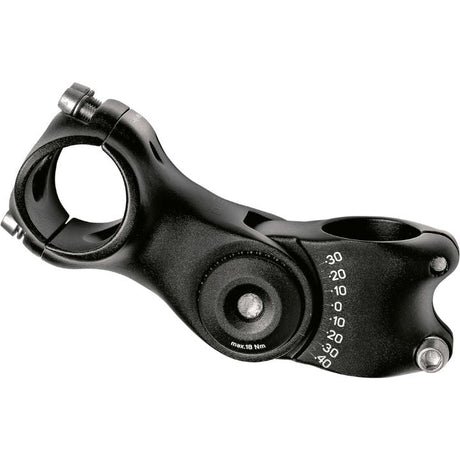
Look at the spacers under and over your stem, and whether the stem is angled up or down.
- All the spacers already under the stem, the stem flipped to point upwards, and the bars still too low for comfort means the front of the frame is too low for you. That is either a frame too small, or a race frame when you need an endurance one.
- The stem slammed flat on the frame with no spacers, and the bars still too high means the frame is too big.
If you have spacers and stem angle left to play with, you are inside the frame's range and this is a setup question. Our handlebar and stem reference explains how flipping the stem and moving spacers changes the bar height.
4. Stem length
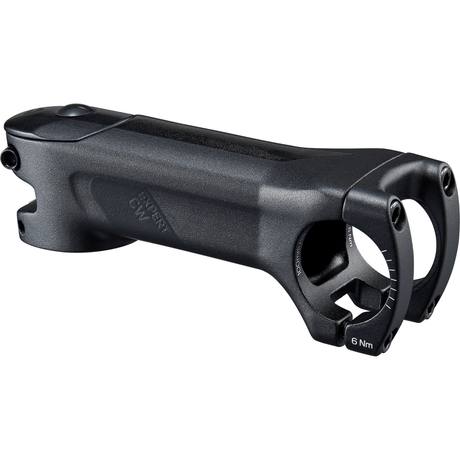
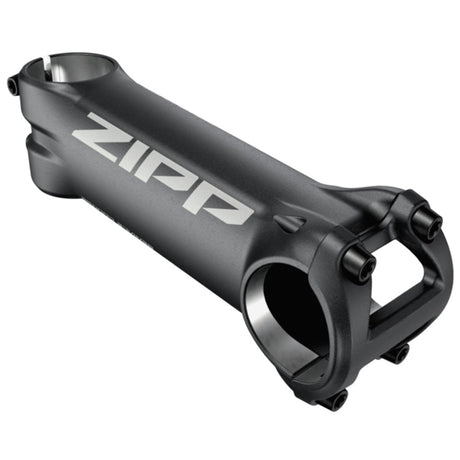
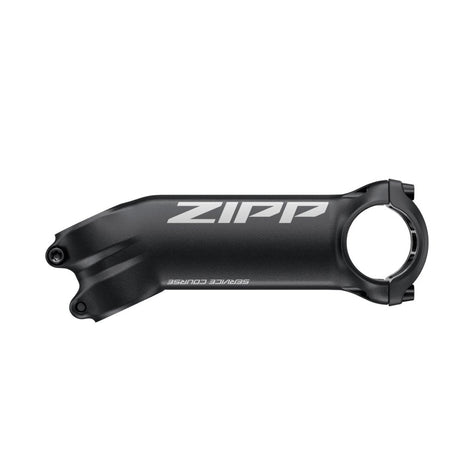
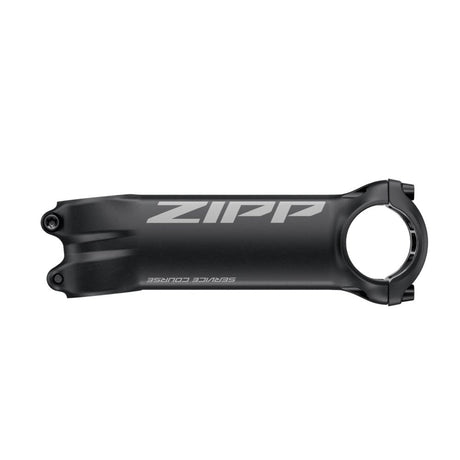
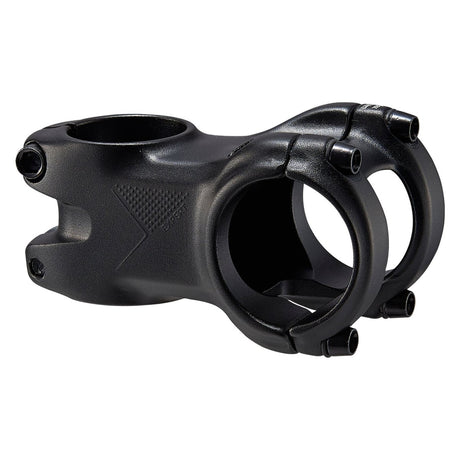
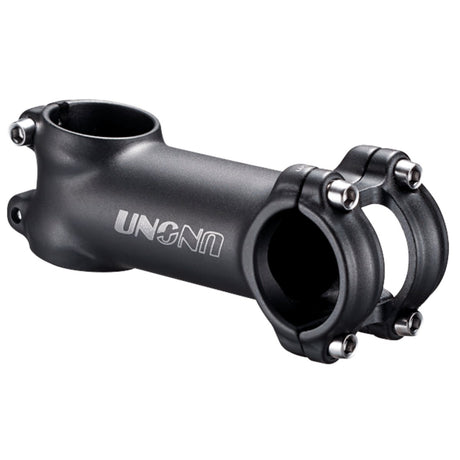
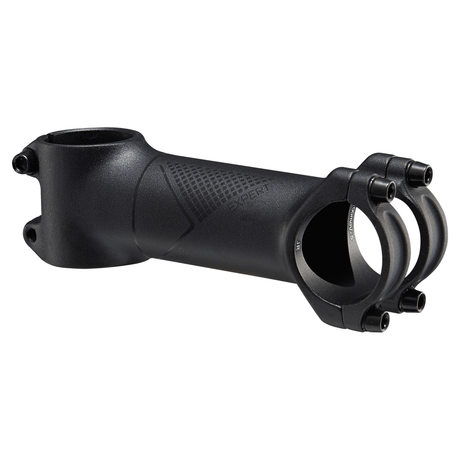
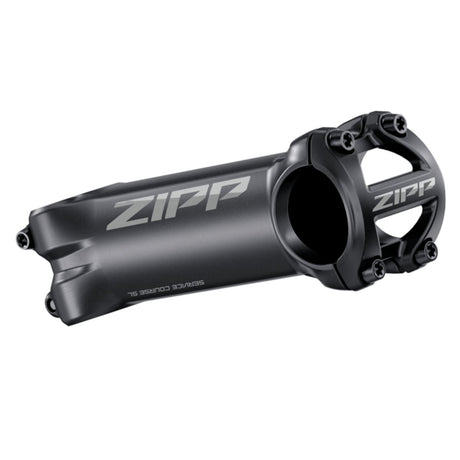
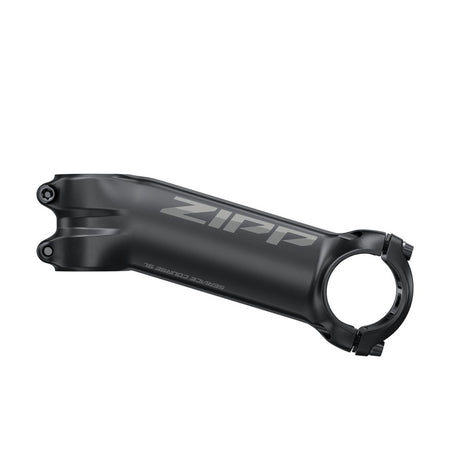
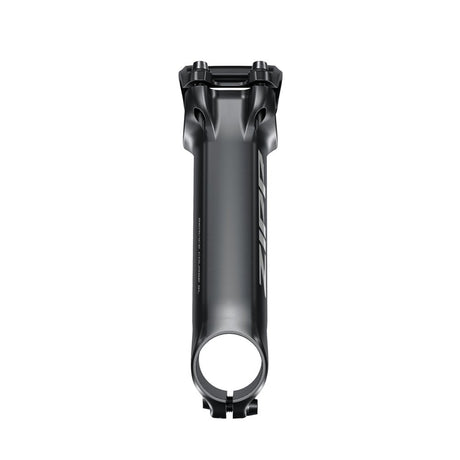
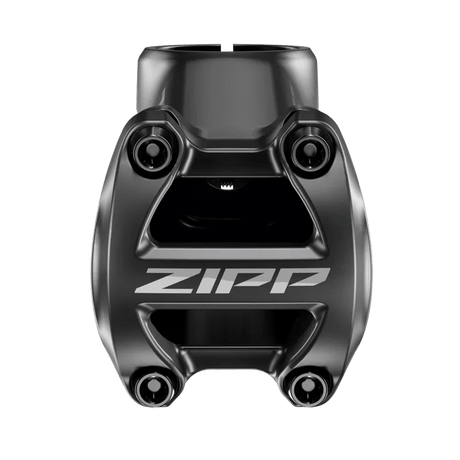
Measure your stem from the centre of the steerer to the centre of the bar clamp, or read the length printed underneath it. On a road bike, stems normally run from about 70mm to 130mm.
If you need a stem shorter than about 70mm to be comfortable, the frame is too long. If you need one longer than about 130mm, it is too short. Outside that range the steering starts to feel nervous or slow, which is the bike telling you the frame is doing the wrong job.
5. Where the saddle sits on its rails
Look at where the saddle is clamped along its rails. Most riders end up somewhere near the middle.
If you have slid the saddle as far forward as it will go to reach the bars, the frame is probably too long. If it is slammed all the way back to stop feeling cramped, the frame may be too short. The saddle's fore and aft position should be set for your knees over the pedals, not used to fix reach, and our guide to the signs your position is wrong explains why.
6. Knees, elbows and how the bike feels
Ride on a trainer or a quiet road and pay attention to three things.
- Your elbows should stay softly bent on the hoods. If they are locked straight and you feel stretched, the bike is too long for you.
- In the drops, your knees should not come close to hitting your elbows or the bars. If they do, the bike is too short.
- The handling should feel calm and predictable. A bike that feels twitchy and nervous, or slow and reluctant to turn, is often wearing a stem at the wrong end of its range to compensate for the frame.
A side-on photo of you riding, taken by a friend, makes all of this much easier to judge than feeling it from the saddle.
Reading the results
| Check | Points to too big | Points to too small |
|---|---|---|
| Standover | Top tube touches you | Lots of clearance on its own means little |
| Seatpost showing | Almost none | At or past the minimum insertion mark |
| Bar height | Slammed and still too high | Fully raised and still too low |
| Stem length | Shorter than about 70mm needed | Longer than about 130mm needed |
| Saddle on rails | Pushed fully forward to reach | Pushed fully back to stop feeling cramped |
| On the bike | Locked elbows, stretched | Knees near elbows, cramped |
How to read it: one check at an extreme is usually a setup quirk and fixable. Three or more pointing the same way means the frame is the wrong size. If your checks point in different directions, for instance bars too low but the reach too long, the frame is probably the right size but the wrong shape, which is the next section.
If everything sits comfortably in the middle and you are still uncomfortable, good news: your bike is the right size, and the fix is in the setup. Start with the fit-signs guide.
Right size, wrong shape
Two bikes of the same size can fit very differently, because size is only part of the story. A race bike puts the bars low and long. An endurance bike of the same size puts them higher and closer.
If your bike is roughly the right length but you cannot get the bars high enough without running out of spacers, you are probably on a race frame when your body wants an endurance one. That is very common among riders who bought a fast-looking bike first. The frame size chart's section on stack and reach explains the two numbers that describe a frame's shape, and why they are a better guide than the size printed on it.
What to do if it is the wrong size
If it is a little off, about one size, it can usually be made to work well. A stem 10 to 20mm longer or shorter, a bar with a different reach, or a seatpost with more or less setback will close most of the gap. Make one change at a time, and give each a few rides.
If it is clearly off, with a stem outside the normal range, no standover, or the seatpost at its limit, parts will not fix it. You will spend money chasing the problem and end up with a bike that still does not fit and does not handle well. In that case, selling it and buying the right size is usually cheaper in the end than trying to rescue it.
Watch out for integrated cockpits. Many modern bikes have the bar and stem built as one piece. Changing the reach means replacing the whole unit and re-routing the cables, which is a much bigger job than swapping a stem.
Before you buy again, get your numbers. A bike fit gives you your saddle height, setback and reach, and the stack and reach your next frame needs. That turns your next purchase from a guess into a match. Our bike fit page has the details, and if you are a shorter rider, our guide to bikes for shorter riders covers the small sizes available.
FAQ
Can a bike be the right size but still the wrong shape?
Yes, and it is one of the most common fit problems: two bikes in the same size can have very different shapes, because a race frame sets the front of the bike low and long while an endurance frame sets it higher and closer. If your bike is about the right length but the bars feel too low even with every spacer used, the frame suits a more flexible or more aggressive rider than you. The fix is usually a frame with more stack rather than a different size of the same model.
How do I check a second-hand bike is my size before buying it?
Run the same checks before money changes hands: standover, how much seatpost you would need at your saddle height, and whether the stem and spacers leave room to adjust. Find the bike's exact model and year, then look up its geometry chart so you can compare its stack and reach with a bike that fits you. Ride it for at least twenty minutes, not a lap of the car park, because a frame that is slightly wrong rarely feels wrong straight away.
Does a smaller frame make you faster?
Not in any way worth chasing: a smaller frame is marginally lighter and stiffer and puts the front of the bike lower, which is why some racers deliberately size down, but only if their body suits the resulting position. For most riders, a frame that is too small forces a long stem and a stretched, cramped position that costs comfort and power over a long ride. The fastest bike for you is the one you can ride comfortably for longest, not the smallest one you can fit on.
Is a bike fit worth it on a bike that is the wrong size?
Yes, for two reasons: on a bike that is about one size off, a fit gets the best possible position out of it, often enough that you are comfortable keeping it; and on a bike that is badly wrong, a fit tells you so clearly and gives you the exact numbers for your next frame. Either way it stops you spending money on parts that cannot fix the problem. It is the most useful thing to do before deciding whether to keep the bike or replace it.
Why does my bike feel fine on short rides but not on long ones?
Because a frame that is slightly wrong rarely hurts straight away: your body compensates for the first half hour or so by tensing, shifting forward or back on the saddle and locking your arms, and that compensation is what catches up with you two hours in as a sore neck, numb hands or an aching back. If your discomfort only appears on long rides, run the six checks. It may well be setup, but it is exactly the pattern a wrong-sized frame produces.
Getting a second opinion
Not sure how to read your results? Ask TBA Guide with your height, inseam, your bike's model and size, and your stem length, and we will tell you whether it is a size problem or a setup problem. If it needs a proper look, bring the bike to our Kondapur store for a fit.