Short answer: a gravel bike is a drop-bar bike built for mixed surfaces: wide tyres, disc brakes, lower gears and a more relaxed position than a road bike. It is the right choice if your rides regularly leave the tarmac, and the wrong one if they almost never do. The cheapest we have is the Polygon Bend R2 at ₹69,990, the best all-rounder for most riders is the Merida Scultura Endurance GR 200 at ₹1,28,990, and whichever you buy, run tubeless tyres around 40mm wide for riding around Hyderabad.
Gravel is one of the fastest-growing kinds of riding here, partly because it answers a very Indian problem. Our roads change surface without warning, and some of the best riding within reach of the city is on dirt, farm tracks and broken rural roads that a road bike handles badly. This guide covers what a gravel bike actually is, how to choose one, every gravel bike we can supply, and where to ride it around Hyderabad.
- What a gravel bike is, and is not
- Gravel bike, endurance road bike or mountain bike?
- What matters when choosing one
- Every gravel bike we have, by budget
- Which one for which rider
- Where to ride gravel around Hyderabad
- Setting up for local conditions
- FAQ
- Narrowing it down
What a gravel bike is, and is not

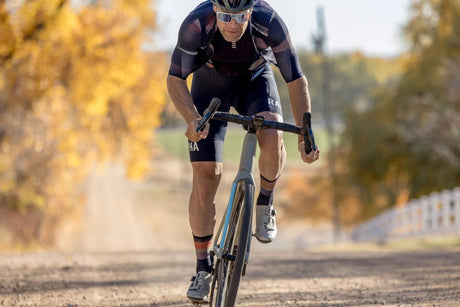
A gravel bike looks like a road bike, with drop handlebars and a similar frame shape, but almost everything about it is adapted for rougher ground:
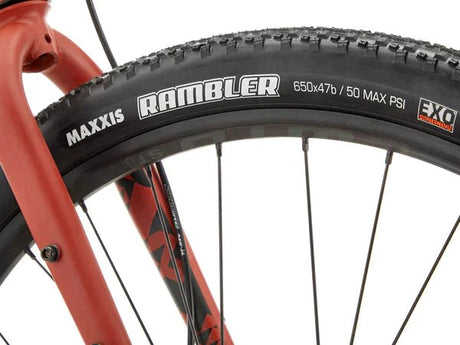
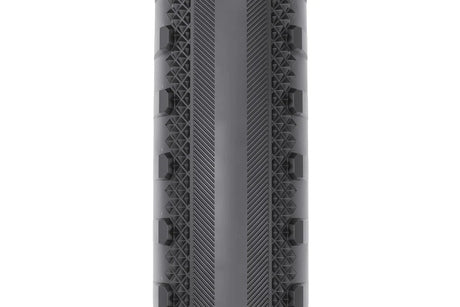
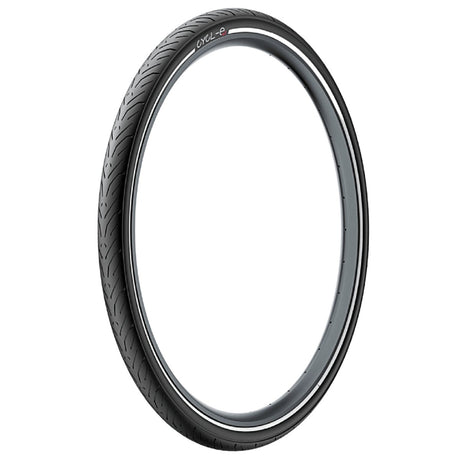
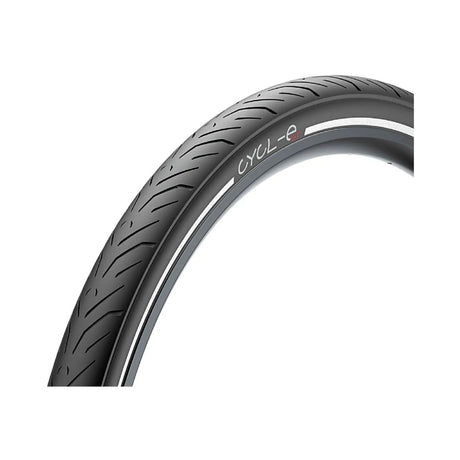
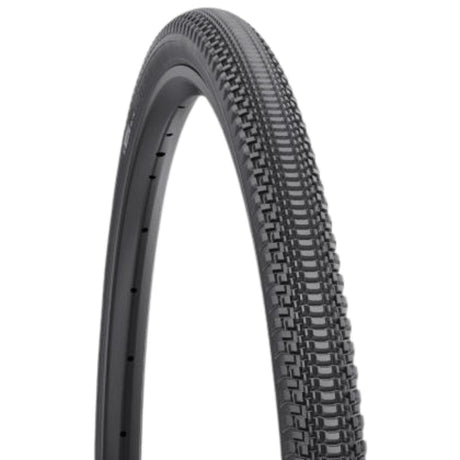
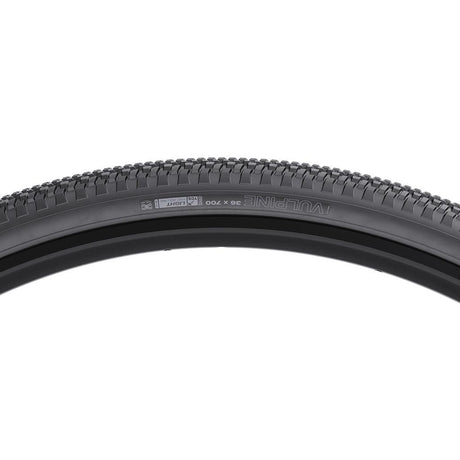
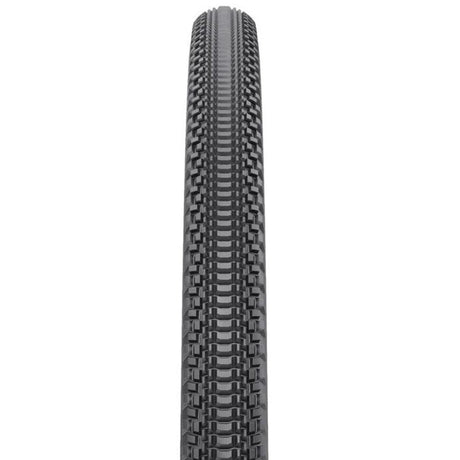
- Wider tyres, usually 38 to 47mm against 25 to 32mm on a road bike, which give grip and comfort on loose surfaces.
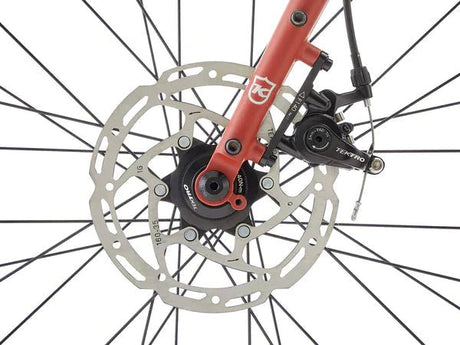
- Disc brakes, which keep working when the rims are covered in mud.
- Lower gears, for steep, loose climbs where you cannot stand and stamp.
- A more relaxed position, slightly more upright and more stable than a race road bike.
- Mounting points for racks, bags and mudguards on many models.
What it is not is a mountain bike. There is no suspension on most gravel bikes, and drop bars are less controllable than flat bars on genuinely technical trails with rocks, roots and drops. A gravel bike is at its best on dirt roads, farm tracks and broken tarmac, covering distance rather than tackling obstacles.
Gravel bike, endurance road bike or mountain bike?
This is the question we are asked most often, usually in the form "gravel bike or road bike?". The answer depends on the mix of surfaces you actually ride.
| Your riding | The better choice |
|---|---|
| Almost all tarmac, occasional broken patches | An endurance road bike with room for 32 to 35mm tyres |
| Mostly tarmac with regular dirt sections | A gravel bike, or an all-road bike like the Merida GR 200 |
| Regular dirt roads, farm tracks and weekend exploring | A gravel bike |
| Rocky or technical trails with steep descents | A mountain bike |
If you already own a road bike, you may not need a new bike at all. Our guide to turning a road bike into a gravel bike covers how far wider tyres can take you.
What matters when choosing one
Tyre clearance. The widest tyre the frame accepts decides what the bike can handle. Around 40mm is the sweet spot for the dirt roads around Hyderabad. More clearance gives you the option of going wider for sand and rough tracks.
Wheel size. Most gravel bikes use 700c wheels. Some use smaller 650b, also called 27.5 inch, wheels with fatter tyres, which roll over rough ground with more cushioning and suit smaller frames well. The Polygon Bend models use 650b.
One chainring or two. A single chainring, called 1x, is simpler and has no front derailleur to clog with mud. Two chainrings, 2x, give closer steps between gears, which matters if your rides include long stretches of tarmac. For mixed Indian riding, both work well.
Brakes. Hydraulic disc brakes are more powerful and need less hand force than cable-operated ones, which you notice on a long, loose descent. Cable discs are simpler to service away from a workshop. Upgrading cable brakes to hydraulic on a drop-bar bike is expensive, because the brakes are built into the shift levers, so it is worth choosing well at the start.
Mounts. If you want to carry bags for a weekend trip or fit mudguards for the monsoon, check for frame and fork mounts.
Our Shimano GRX reference covers the gravel-specific groupset most of these bikes use.
Every gravel bike we have, by budget
| Bike | Price | Key details |
|---|---|---|
| Polygon Bend R2 | ₹69,990 | Alloy frame, carbon fork, Shimano Sora 2x, cable disc brakes, 650b tubeless-ready tyres, rack and mudguard mounts |
| Merida Scultura Endurance GR 200 | ₹1,28,990 | All-road geometry, flared bars, tubeless-ready wheels, mudguard clearance, sizes from 3S |
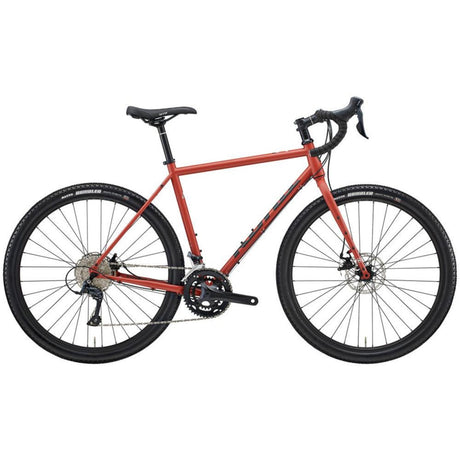
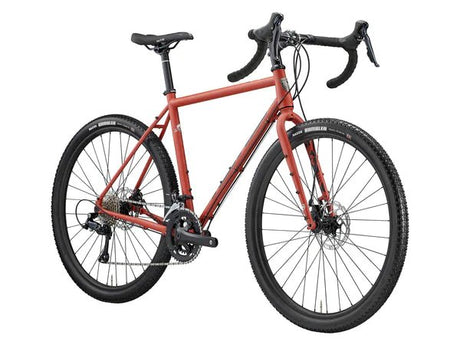
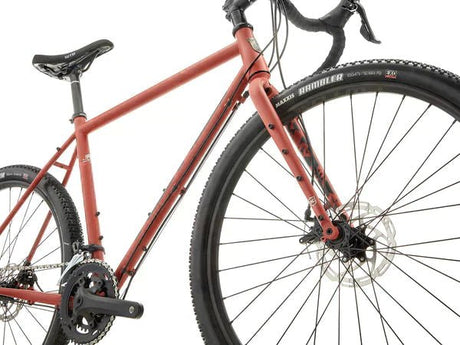
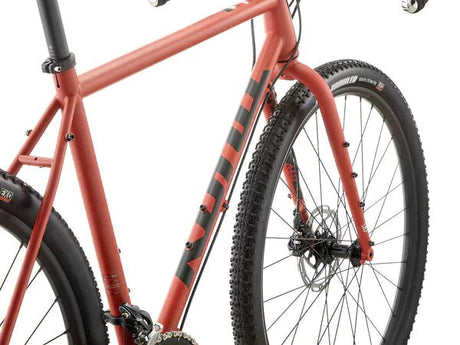
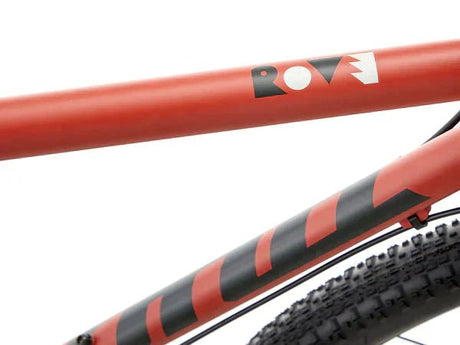
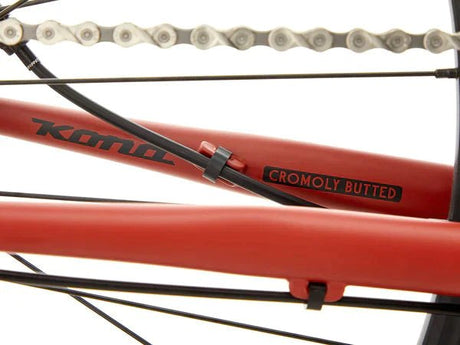
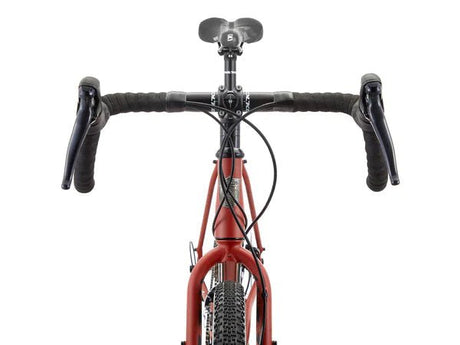
| Kona Rove | ₹1,44,300 | Versatile all-rounder for commuting, exploring and bikepacking |
| Polygon Bend R5 | ₹1,59,990 | Shimano GRX 1x11, hydraulic brakes, 650b x 47mm tubeless-ready tyres, dropper post |
| Cannondale Topstone 2 GRX | ₹1,70,100 | Alloy frame, Shimano GRX 400 2x10, clearance for 45mm tyres, rack mounts |
| Kona Libre | ₹2,06,200 | Carbon fork with luggage mounts, built for long rides and carrying gear |
| Cannondale SuperX 3 | ₹3,40,000 | Carbon race frame, Shimano GRX 820, DT Swiss wheels, cyclocross capable |
| Look 765 Gravel RS | ₹5,40,000 | High-modulus carbon, SRAM Rival AXS wireless, 40mm tyres |
Prices are indicative and move with exchange rates and import duty.
Which one for which rider

The cheapest way in: the Polygon Bend R2 at ₹69,990. A genuine gravel bike with a carbon fork, mounts for racks and mudguards, and tubeless-ready tyres. The trade-offs are Sora gearing and cable disc brakes rather than hydraulic, which is fine for recreational riding and simple to service, but you will notice it on long loose descents.
The best all-rounder for most riders: the Merida Scultura Endurance GR 200 at ₹1,28,990. It rides like a comfortable road bike on tarmac and stays composed when the surface breaks up, which describes a great deal of riding around Hyderabad. It also comes in the widest spread of sizes, down to 3S, which makes it the natural choice for shorter riders.
For proper off-road and trips: the Polygon Bend R5 at ₹1,59,990 or the Cannondale Topstone 2 at ₹1,70,100. The Bend R5 is the more off-road of the two, with 47mm tyres, a single chainring and a dropper post for steep descents. The Topstone has two chainrings and 45mm clearance, and suits riders whose gravel rides include long road stretches or loaded touring.
For racing: the Cannondale SuperX 3. A carbon race bike for fast gravel events and hard riding, not a relaxed explorer.
The premium choice: the Look 765 Gravel RS, with a high-modulus carbon frame and wireless SRAM shifting.
Where to ride gravel around Hyderabad
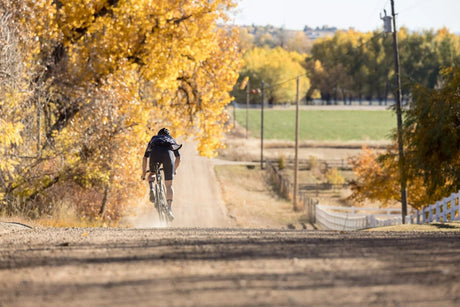
You do not have to go far. Once you are past the city's edge, tarmac quickly gives way to farm roads, dirt tracks and broken rural lanes.
The western edge. Around Tellapur, Kollur and Mokila, weekend rides already mix quiet roads with dirt tracks, and it is the easiest place to find out whether gravel is for you without committing a whole day.
Towards Narsapur and Vikarabad. The rides out in these directions take you towards forested country, where the roads roughen and the traffic thins, and they make for a full morning's ride.
A weekend away: Kalpavalli. For a proper gravel trip, the bush camp at Kalpavalli, near Anantapur on the way to Bangalore, has miles of double track through a conservation area. It is chunky, sandy in places and far from the nearest village. Our Kalpavalli ride report covers the routes, the terrain and what the bikes needed.
When to go. The months after the monsoon, from October through the winter, are the best for gravel here: the tracks have dried, the dust has not yet built up and the mornings are cool. In the monsoon, clay and black-soil tracks turn to heavy mud that clogs a bike completely. In summer, start early and carry more water than you think you need.
A few practical points for riding away from the city. Tell someone your route, because some tracks are a long way from help. Carry water and food, since villages can be far apart. And ride with a friend where you can, at least until you know the area.
Setting up for local conditions
- Go tubeless. Thorns and sharp stones are common on local tracks, and tubeless sealant closes small punctures before you notice them. Our tubeless guide covers the setup.
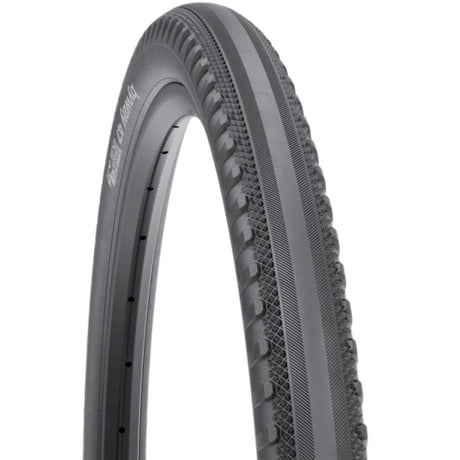
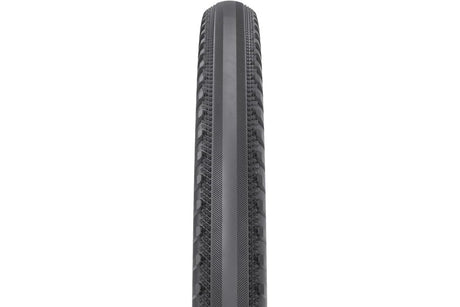
- Run around 40mm tyres. That width handles the chunky double track and sandy patches around here much better than narrower tyres, as the Kalpavalli trip found.
- Drop your pressure off the tarmac. Lower pressure gives grip and comfort on loose ground. Our tyre pressure guide explains the principles.
- Carry a proper repair kit: a spare tube even if you run tubeless, tyre plugs, a pump and a multitool.
FAQ
Can a gravel bike be my only bike, including for road rides?
Yes, and for many riders it is the most sensible single bike to own: with a second set of faster, narrower tyres, or a set of wheels fitted with them, a gravel bike becomes a comfortable road bike for weekday riding and goes back to gravel at the weekend. It will be slightly slower than a dedicated road bike on smooth tarmac, but most riders will not notice that outside of fast group rides. What you gain is one bike that goes almost anywhere.
Do I need a dropper post on a gravel bike?
Not for most gravel riding, though it helps on steep, loose descents: a dropper post lets you lower the saddle at the press of a lever so you can shift your weight back and keep control, then raise it again for pedalling. If your rides are mostly dirt roads and gentle tracks, you will rarely miss it. If you ride steep, technical descents regularly, it makes a real difference to confidence, which is why bikes aimed at rougher terrain, like the Polygon Bend R5, include one.
Is a gravel bike good for commuting in Indian cities?
Very good, arguably better than a road bike: wider tyres absorb potholes and broken road edges, disc brakes stop reliably in the wet, the position is slightly more upright for watching traffic, and many gravel bikes have mounts for a rack and mudguards. The trade-off against a flat-bar hybrid is that drop bars take a little getting used to in stop-start traffic. If you want one bike for commuting and weekend riding, a gravel bike is a strong choice.
What tyre pressure should I run for gravel?
Much lower than on the road, and lower again on tubeless: many riders on 40mm tubeless tyres end up somewhere around 30 to 40 psi, with lighter riders and looser surfaces towards the bottom of that range. Too high and the bike skips and slides on loose ground; too low and the tyre squirms in corners or the rim strikes sharp edges. Start in that range, then adjust a few psi at a time until the bike grips without feeling vague.
Can I ride a brevet on a gravel bike?
Yes, and plenty of riders do: a gravel bike's relaxed position, wide tyres and mounts for bags make it comfortable over long distances on mixed Indian roads, where a brevet route can include rough stretches. It will be a little slower than a road bike on smooth tarmac, so fit faster, narrower tyres if your route is mostly paved. Many riders find the comfort over twelve hours or more is worth far more than the small loss of speed.
Narrowing it down
Not sure whether you need a gravel bike, an endurance road bike or a mountain bike? Ask TBA Guide with your budget, your height and the kind of surfaces you ride, and we will point you to the right one.