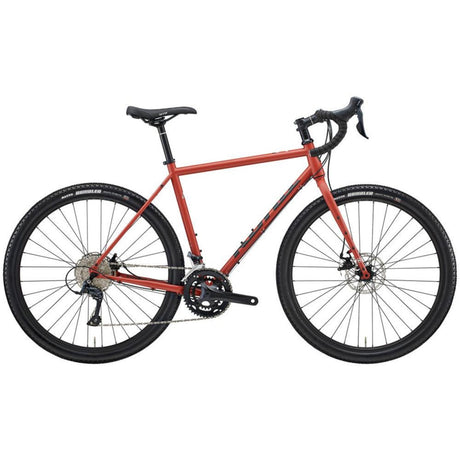
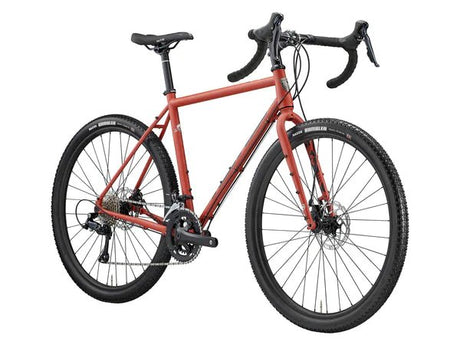
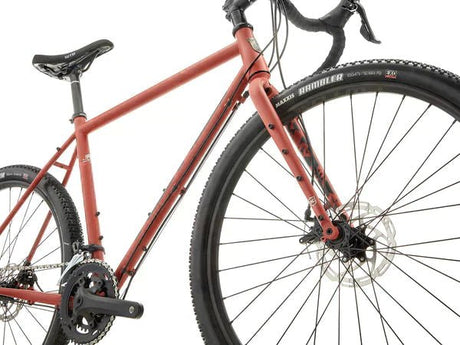
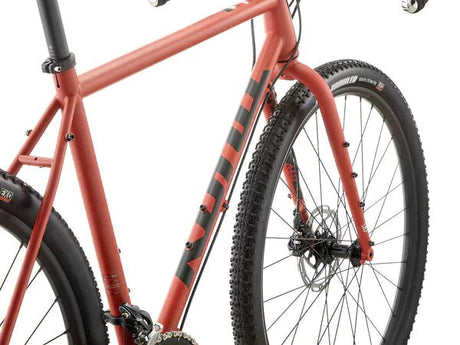
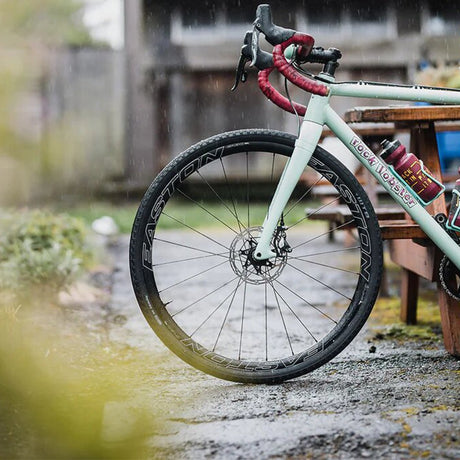
This is one of the most common questions we get asked, usually phrased as some version of "most of my riding is road, but there are broken patches and some gravel". The honest answer is that you can take a road bike a long way in that direction, and that one specification decides how far. It is not the groupset, the wheels or the brakes. It is how much tyre your frame will physically clear.
Contents
- Clearance decides everything
- Measuring what you actually have
- How much tyre do you need
- What to change, in order of value
- What you cannot change
- Gearing
- The second wheelset argument
- When to buy a gravel bike instead
- Frequently asked questions
Clearance decides everything
Every other upgrade is optional. Tyre clearance is a hard ceiling built into the frame and fork, and no component changes it.
| Bike type | Typical maximum tyre | Realistic use |
|---|---|---|
| Older race road bike | 25 to 28mm | Tarmac only |
| Modern race road bike | 30 to 32mm | Broken tarmac, hard-packed sections |
| Endurance road bike | 35mm | Light gravel, farm tracks |
| Gravel bike | 45 to 50mm | Genuine gravel and trails |
Real examples from bikes we sell. The 2027 Merida Reacto clears 32mm, the 2026 version 30mm. The Scultura Endurance clears 35mm, while the race Scultura clears 30mm. The Basso Venta R clears 35mm. Those are the ceilings, and they are why an endurance frame converts better than a race frame regardless of what you spend.
Measuring what you actually have
Do not rely on the manufacturer's figure alone, because it is conservative and your actual wheels affect the result.
- Fit the widest tyre you currently own and inflate it to riding pressure.
- Measure the gap at the tightest points: the chainstay bridge, the seatstay bridge and the fork crown.
- You want at least 4mm on each side and above, and in Indian conditions 6mm is better, because monsoon grit packs into the chainstay area and a tyre that clears in the dry will rub when loaded with wet debris.
- Spin the wheel with the bike on the ground and your weight on it, not just in a stand.
Remember that a tyre measures wider on a wider rim, roughly 0.4mm for every extra millimetre of internal rim width. A 32mm tyre on a modern 23mm internal rim can measure 34mm. Our tyre and rim width guide covers the arithmetic.
How much tyre do you need
People routinely overestimate this, so here is the honest breakdown for Indian surfaces.
| Surface | Tyre width |
|---|---|
| Patched tarmac, potholes, city roads | 30 to 32mm |
| Hard-packed dirt roads, occasional stones | 32 to 35mm |
| Loose gravel, farm tracks | 38 to 42mm |
| Rough trails, sustained rocky descents | 45mm and up |
If your riding is mostly road with occasional rough patches, 32mm covers it. That is achievable on most modern road bikes without changing anything except the tyres, and it is by far the highest return change available.
What to change, in order of value
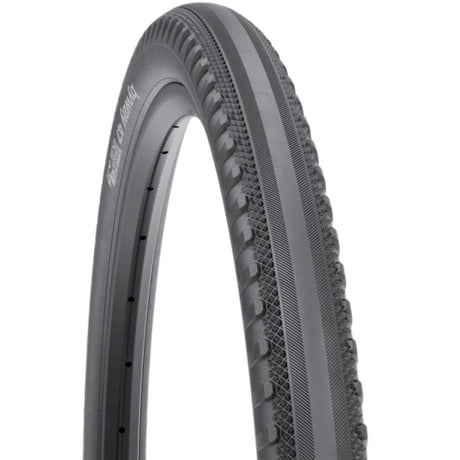
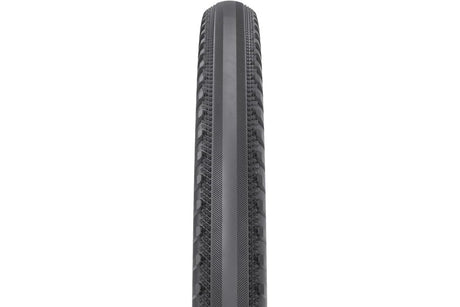
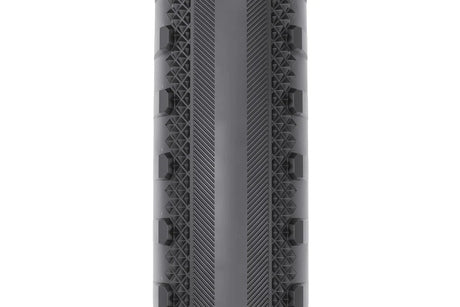
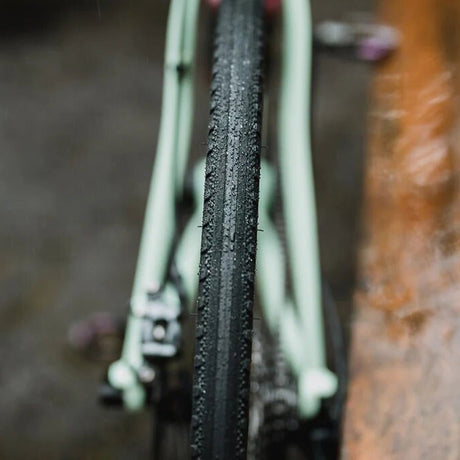
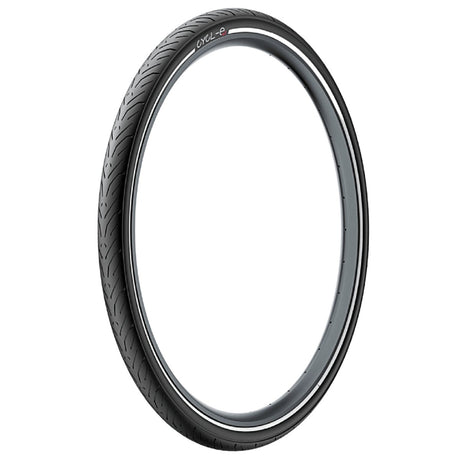
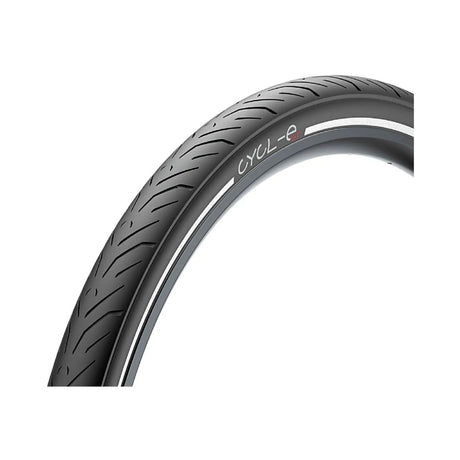
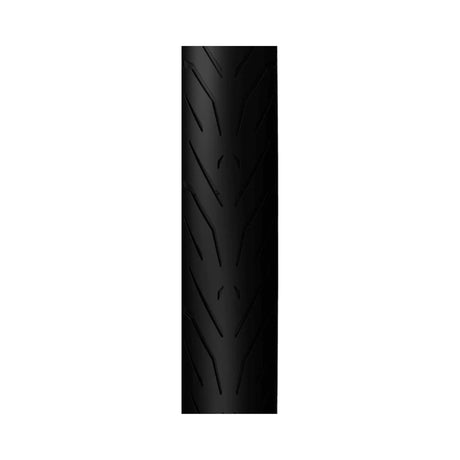
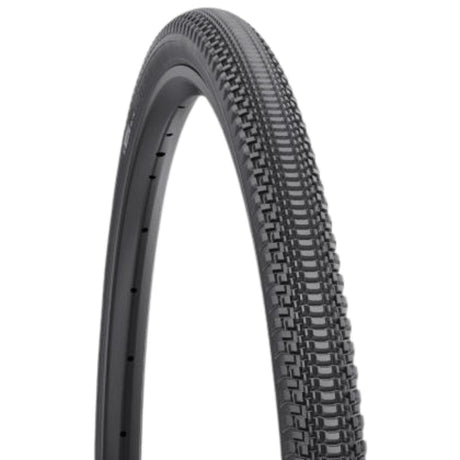
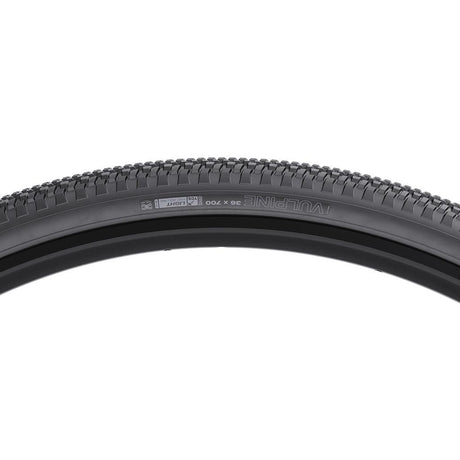
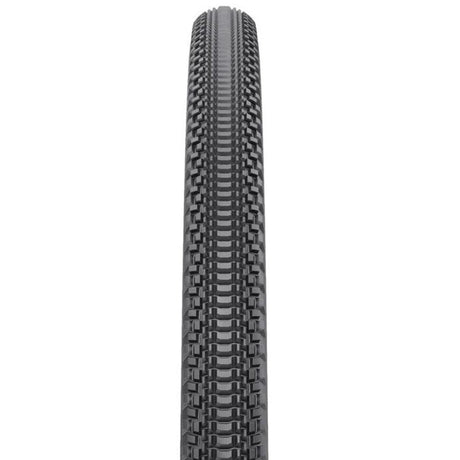
- Tyres. The whole conversation, really. A 35mm gravel tyre with a fast-rolling centre and side knobs transforms what the bike will do, for a few thousand rupees. Choose a file tread or slick centre if most of your riding stays on tarmac.
- Tubeless. More valuable off tarmac than on it, because lower pressures become safe and thorn punctures seal themselves. Our tubeless guide covers setup, and you will want tape sized to your internal rim width.
- Lower gearing. Loose surfaces and steep unpaved climbs need gears a road setup does not have. See below.
- Wheels. Only if your current rims are too narrow, meaning below about 21mm internal, for the tyre you want.
- Bars and contact points. A flared gravel bar adds control on descents. Genuinely optional.
Most riders should stop after step two. Steps three onward start to approach the cost of a dedicated bike.
What you cannot change
Being blunt about this saves people a great deal of money.
You cannot convert a rim brake bike to disc brakes. This comes up constantly and the answer is no. A disc brake needs a mount on the frame and the fork, and a hub with a rotor mounting interface. A rim brake frame has none of these, and there is no adapter that adds them, because the loads involved would tear an unreinforced dropout apart. Anyone offering you a bracket to do this is selling something dangerous. If your bike has rim brakes and you want discs, that is a new bike.
You cannot change geometry. Gravel frames have longer wheelbases, slacker head angles and lower bottom brackets for stability on loose ground. A race road bike will always feel nervous by comparison, and that is a design difference rather than a setup problem.
You cannot add mounting points. No bosses for bags, racks or a third bottle means no bosses, and strap-on alternatives are a compromise on rough ground.
What you can do, if your bike already has disc brakes, is upgrade from mechanical to hydraulic. That needs new shifters and calipers as a set, such as the GRX 2x11 hydraulic set, and it is a real improvement on loose descents where you brake one-handed and modulation matters.
Gearing
Unpaved climbs are slower and often steeper than the road equivalent, and you cannot carry momentum through loose surfaces. A road setup that works on tarmac frequently does not.
The cheapest fix is a larger cassette, provided your rear derailleur allows it. Moving from an 11-28 to an 11-34 on a 34 tooth inner chainring takes your easiest ratio from 1.21 to 1.00, which is a real difference when the surface is loose. Check the limits in our cassette and gear ratio guide before ordering.
Beyond that, a sub-compact chainset or a GRX rear derailleur designed for larger sprockets opens up more range, but the cost rises quickly.
The second wheelset argument
If you find yourself considering new wheels, consider a second wheelset instead of replacing your existing one.
A dedicated set with wider rims and gravel tyres fitted, swapped in when you want them, gives you two bikes in one. Ten minutes of work rather than an hour of tyre changing, no repeated tubeless setup, and your road wheels stay set up for road. On a disc bike with thru axles this is genuinely quick.
Check the rim internal width matters here: a 21mm internal rim or wider suits 35mm and above properly, while a narrow 17mm road rim will leave a wide tyre poorly supported.
When to buy a gravel bike instead
Stop converting and start shopping when any of these are true:
- You need more than 35mm of tyre. No road frame will give it to you.
- Your bike has rim brakes. The conversion is not possible.
- You are adding up wheels, cassette, chainset and brakes. At that point the total approaches a capable gravel bike, and you still have road geometry.
- You want to carry luggage on bikepacking routes.
Gravel bikes start at around ₹70,000 with the Polygon Bend R2, and the full range runs up from there. Keeping your road bike as a road bike and adding a gravel bike is usually a better outcome than compromising one machine into being mediocre at both.
Frequently asked questions
Can I run a wider tyre on the front than on the rear?
A small difference is fine and sometimes deliberate, for example 35mm front and 32mm rear, since the front does most of the steering and grip work while the rear is easier to keep rolling fast. A large mismatch is a different matter: something like 50mm front and 30mm rear unbalances the bike badly, changes how it turns, and in practice the wider tyre usually will not clear the fork anyway. Stay within about 3 to 5mm between the two.
Will wider tyres make my road bike slower on tarmac?
Barely, and often not at all on real Indian roads. Wider tyres run at lower pressure and absorb surface irregularities that would otherwise slow the bike, which more than offsets the small increase in rolling resistance and weight. The genuine cost is aerodynamic, and it only becomes noticeable at higher speeds. Moving from 25mm to 32mm on patched tarmac usually makes riders faster over a three hour ride, not slower, because they are less fatigued.
Do I need a gravel-specific groupset, or will my road one work?
Your road groupset will work. Gravel groupsets such as GRX add a clutch mechanism in the rear derailleur to stop chain slap on rough ground, slightly different lever shapes, and support for larger cassettes. All of that is useful and none of it is necessary for the mixed road and broken tarmac riding most people are describing. If you find the chain slapping the chainstay on rough sections, that is the point at which a clutch derailleur earns its cost.
Can I damage a road frame by riding it on gravel?
Not through normal riding on reasonable surfaces. Frames are tested to standards that assume rough use, and a carbon road frame is not fragile. The real risks are specific: impacts from sharp rocks against thin tube walls, and running a tyre so wide it rubs the chainstay, which abrades the frame over time. Keep proper clearance, avoid the roughest trails, and inspect the frame after any significant impact. Bottom bracket and headset bearings will need servicing more often, which is wear rather than damage.
What is the single cheapest change that makes the biggest difference?
Tyres, by a very large margin, and it is not close. Moving from 25mm road tyres to 32mm tyres with a fast-rolling tread costs a few thousand rupees and changes what the bike can do more than any other component. Add tubeless and the ability to drop pressure further, and most riders find the bike they already own handles their mixed routes perfectly well. Do this first and reassess before spending anything else.
Tell us what you ride
Give your bike model and the surfaces you actually cover to ask TBA Guide, and we will tell you the widest tyre your frame will take and whether a conversion makes sense. If the honest answer is that your bike will not do what you want, we will say so rather than sell you parts that will not fix it.