Short answer: a helmet that fits sits level on your head two fingers above your eyebrows, moves with your skin rather than sliding over it, and does not rock when you shake your head. Most fit problems come from the helmet's shape rather than its size, and are solved by trying a different model, not tightening the dial. Replace a helmet straight away after any crash in which it hit something, even if it looks perfect, and otherwise every three to five years, closer to three in Indian heat and sun.
Most riders have a helmet. Far fewer have one that fits properly, and fewer still know how old theirs is. A helmet is the one piece of kit that only matters on the worst day of your riding life, which is exactly why it is easy to forget about. This guide is about the helmet you already own, as much as the next one you buy: how to tell whether it fits, how to fix the common problems, and how to know when it is time to replace it.
- What a good fit looks like
- Common fit problems, and how to fix them
- Choosing a helmet that fits your head
- When to replace your helmet
- The two-minute helmet check
- Making a helmet last
- FAQ
- Narrowing it down
What a good fit looks like

Put your helmet on, adjust the dial at the back, fasten the strap, and check these in front of a mirror:
- Level, not tilted back. The front edge sits about two finger widths above your eyebrows. A helmet pushed back like a hat leaves your forehead unprotected, which is where many crash impacts land.
- It moves your skin. Push the front of the helmet up with your hand. Your eyebrows should lift with it. If the helmet slides without moving your skin, it is too loose.
- No rocking. With the strap undone, shake and nod your head firmly. The helmet should stay with your head.
- Straps form a V just below each ear, with the buckle snug under your chin. You should be able to open your mouth wide and feel the helmet pull down slightly.
- No pressure points anywhere. A spot you can feel in the shop becomes a headache two hours into a ride.
If you are not sure of your size, our helmet size chart explains how to measure your head and how sizes differ between brands.
Common fit problems, and how to fix them
| What you notice | Likely cause | What to do |
|---|---|---|
| Helmet sits high on your head, like a mushroom | Shell too big, or a shape that rests on your crown | Try a smaller size or a lower-profile model |
| Pressure on your forehead | Your head is rounder than the helmet's mould | Try a different brand: shapes vary more than sizes |
| Pressure at your temples or sides | Your head is wider than the mould | Try a different brand or model, not a bigger size |
| Helmet slides back, exposing your forehead | Front straps too long, or the cradle set too high | Shorten the front straps and lower the cradle at the back |
| Helmet rocks front to back | Too large, or the rear cradle not gripping the base of your skull | Adjust the cradle height; if it still rocks, go down a size |
| You have to wind the dial fully tight | Helmet one size too big | Go down a size. The dial fine-tunes a fit, it does not create one |
| Sunglasses arms clash with the helmet | The rear cradle sits where the arms rest | Adjust the cradle height, and always try helmets on wearing your glasses |
| Ponytail does not fit | Cradle sits too low for your hair | Wear the ponytail low and below the cradle, and try models with more room at the back |
| Sweat runs into your eyes | Saturated brow pad | Wash or replace the pads, or wear a thin cycling cap or sweatband |
| Helmet has become loose over the past year | Pads compressed with sweat and wear | Replace the pads before deciding you need a new helmet |
| Buckle pinches your throat | Strap length or buckle position | Move the buckle off-centre slightly and adjust the strap length |
The single most common mistake is solving a shape problem with size. If a helmet presses on one spot, a bigger size will rock without removing the pressure. The answer is a helmet with a different shape.
Choosing a helmet that fits your head
Every brand builds its helmets on its own moulds, so heads that are rounder or longer front to back suit some brands far better than others. That makes trying helmets on the most useful thing you can do, and it is why we keep helmets in stock at our Kondapur store.
When you try one on, take what you ride in: your sunglasses, and a cap or headband if you wear one, since both change the fit. Wear it for a few minutes rather than a few seconds, so pressure points have time to show.
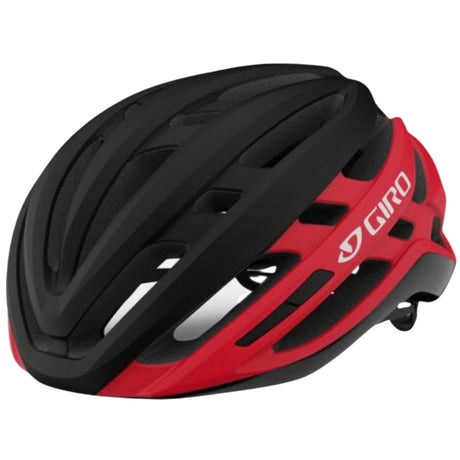
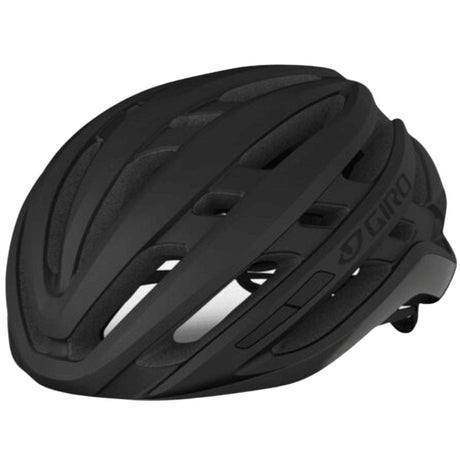
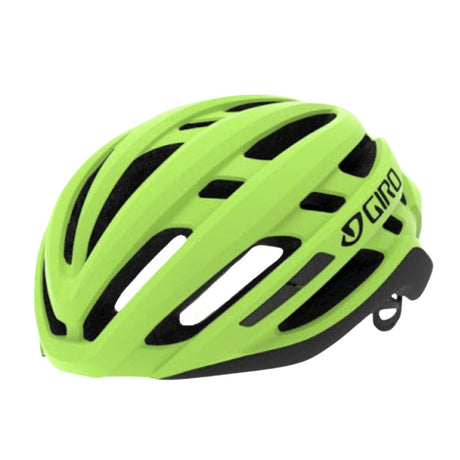
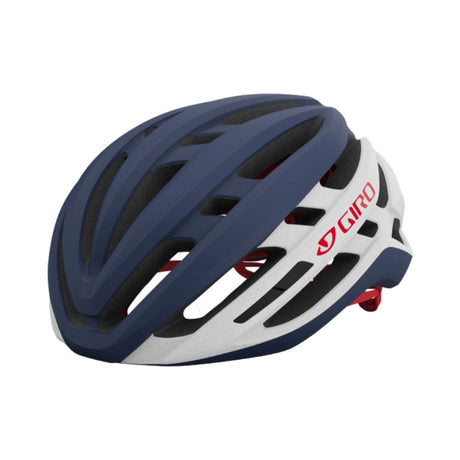
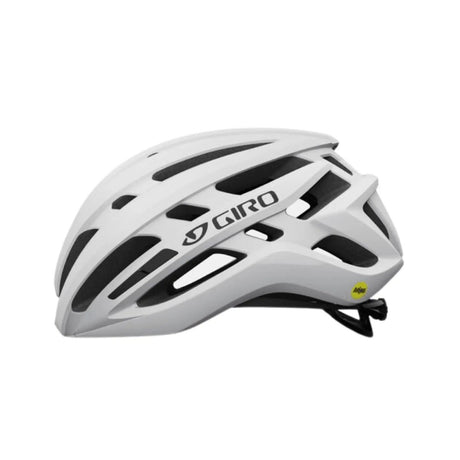
Beyond fit, look for a safety certification such as CE EN 1078 or CPSC on a label inside the shell, and consider a helmet with rotational protection such as MIPS. The Abus Macator MIPS at ₹5,750 is a well-ventilated, affordable example. For riding in Indian heat, ventilation matters as much as anything, and our helmet buying guide covers how to choose for it.
When to replace your helmet
A helmet protects you by crushing. The foam inside absorbs an impact by compressing permanently, which means a helmet that has done its job once has used up its protection, even when the outer shell looks untouched.
Replace it straight away if:
- It hit anything in a crash, however minor the crash felt and however perfect the helmet looks
- The shell or the foam is cracked, dented or crushed anywhere
- The foam is separating from the outer shell
- The buckle, retention dial or cradle is broken
- The straps are frayed, cut or stiff
Replace it soon if:
- It is three to five years old, counted from the manufacturing date printed inside the shell rather than the day you bought it. In Indian heat and sun, plan on the shorter end.
- The shell has faded, gone chalky or looks brittle from sun exposure
- It has been stored somewhere very hot, such as a car parked in the sun
It is tempting to keep a helmet that looks fine. But the damage that matters, crushed or degraded foam, is usually invisible from the outside, and a helmet is far cheaper than the injury it is there to prevent.
The two-minute helmet check
Do this every month or so, and after any knock:
- Take the pads out and look closely at the foam for cracks, dents or areas that look compressed.
- Look along the edges where the outer shell meets the foam, checking it is still bonded all the way round.
- Check the buckle clicks firmly and releases cleanly.
- Turn the retention dial both ways, making sure it tightens and loosens smoothly and the cradle is intact.
- Run the straps through your fingers, feeling for fraying or stiffness.
- Find the manufacturing date on the label inside, so you know how old the helmet really is.
If anything fails the check, replace the helmet. Pads and straps aside, helmets are not repaired.
Making a helmet last
- Store it indoors, out of direct sun. UV and heat age the foam and shell faster than riding does.
- Never leave it in a parked car in the sun. Manufacturers warn that car interiors can get hot enough to damage the foam.
- Wash the pads regularly in lukewarm water with mild soap, and let them air dry. In this climate, sweat breaks them down quickly.
- Clean the shell with mild soap and water only. Solvents and harsh cleaners can weaken it.
- Do not hang it from the bars or toss it in a bag with tools, where it can take knocks you never notice.
FAQ
Is it safe to buy a second-hand helmet?
No, and it is one of the few pieces of cycling kit we would never recommend buying used: a helmet's protection can be used up by an impact that leaves no visible mark, and you have no way of knowing whether a second-hand helmet has been crashed, dropped hard or stored in a hot car. You also cannot know its true age. A new, certified helmet at a modest price is far safer than a premium one with an unknown history.
Can I wear a cap or headband under my helmet?
Yes, a thin cycling cap or sweatband works well and is popular in Indian heat, because it catches sweat before it reaches your eyes and shades your face under the helmet's peak. The condition is that the helmet must still fit correctly with it on, so try your helmet on while wearing the cap and readjust the dial. A thick cap or a bulky hairstyle underneath can stop the helmet sitting level, which defeats the point.
Can I put stickers on or paint my helmet?
Check your manufacturer's instructions first, because most advise against painting a helmet and many against adhesive stickers, since the solvents in paints and some adhesives can weaken the shell and the foam beneath it. A small reflective sticker is commonly fine on many helmets, but the manufacturer's guidance is the final word. If you want a helmet in a particular colour, buying it in that colour is safer than repainting one.
Is it all right to hang my helmet on the handlebars?
Not as a habit: hanging a helmet on the bars or the saddle leaves it exposed to sun, to being knocked off when the bike is moved, and to being dropped onto hard floors, all of which can damage it without obvious signs. It also stretches the straps over time. Store it indoors, on a shelf or a hook by the strap, away from direct sun, and carry it rather than hanging it from the bike when you park.
What should I do with an old or crashed helmet?
Make it unusable before you throw it away: cut through the straps so nobody can pick it out of the bin and wear it believing it is safe. A crashed or expired helmet should never be passed on to a friend or a child. Before you discard it, take a note of the brand, model and size, so you can buy the same fit again if it suited you.
Narrowing it down
Not sure whether your helmet still fits, or which shape suits your head? Ask TBA Guide with your head measurement and the helmet you wear now, or come to our Kondapur store and try a few on with your sunglasses. See the full range of cycling helmets.