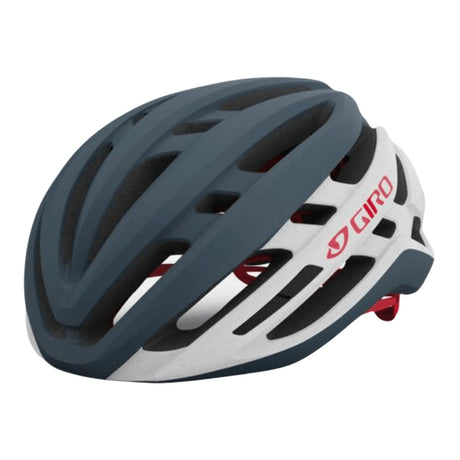
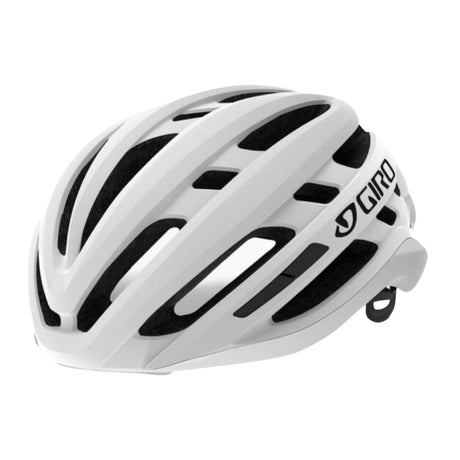
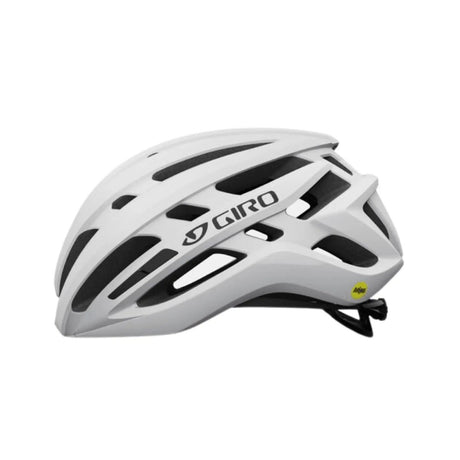
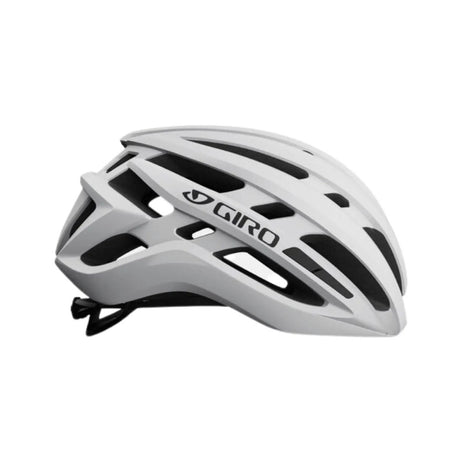
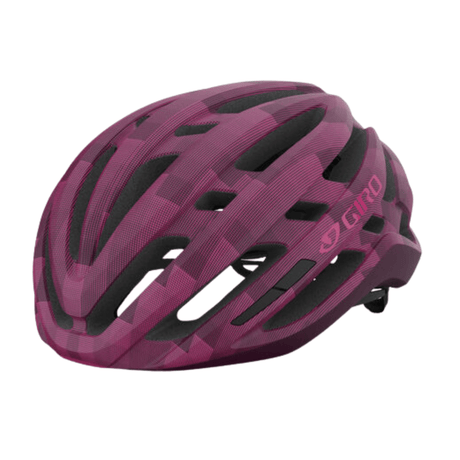
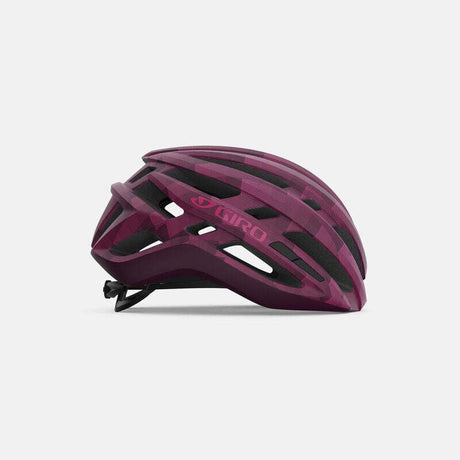
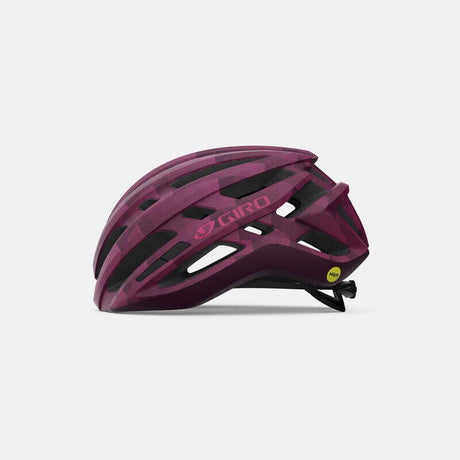
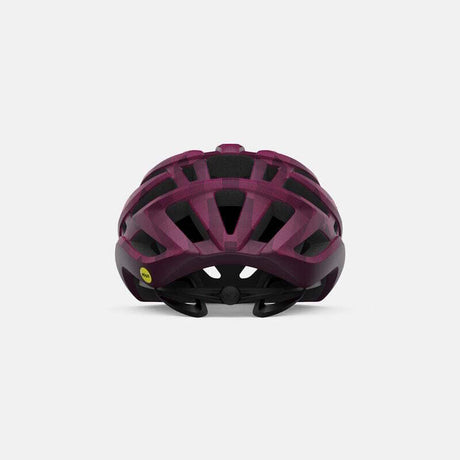
Short answer: in Indian heat, ventilation beats aerodynamics for almost everyone. Buy a well-vented road helmet rather than an aero one unless you are actually racing, spend between ₹5,000 and ₹10,000 where fit systems and pad quality get good, and add MIPS if the version you want has it, because it costs around ₹2,000 more. A helmet that is too hot is a helmet you will leave at home, which makes it the least safe one you can buy.
- Why heat changes the answer
- What actually cools your head
- MIPS, and exactly what it costs
- Fit, and the size problem
- What each brand is for
- What to buy at each budget
- FAQs
- Narrowing it down
Why heat changes the answer
Most helmet advice is written for places where the problem is rain. Here the problem is a head that reaches an uncomfortable temperature within twenty minutes of leaving the house, and stays there.
That flips two pieces of conventional wisdom.
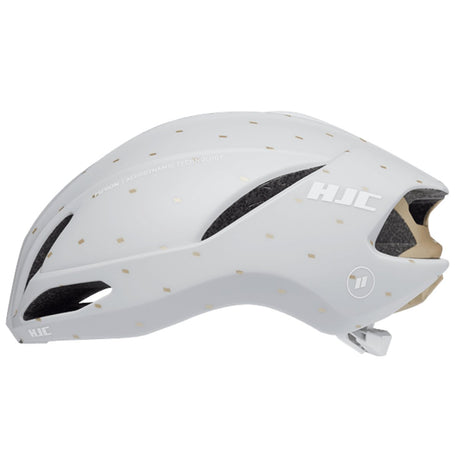
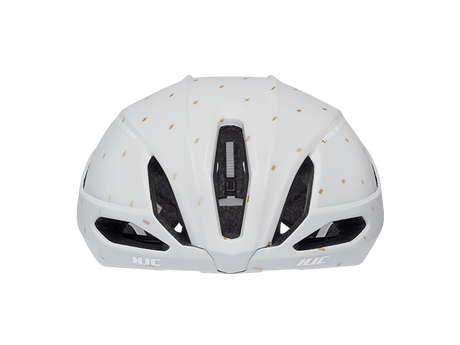
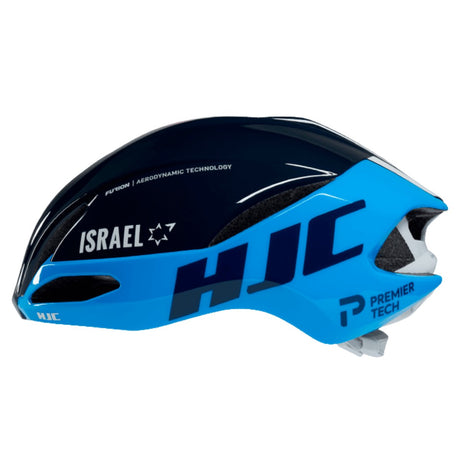
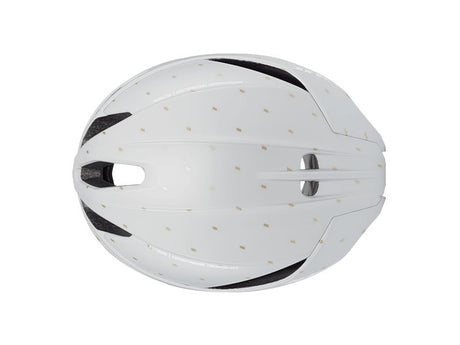
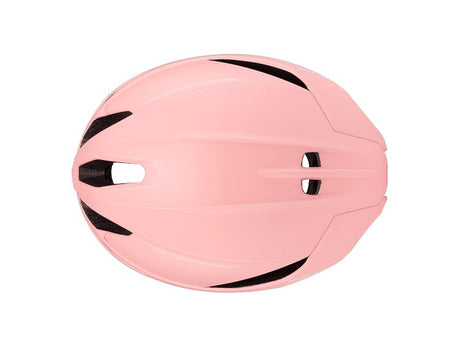
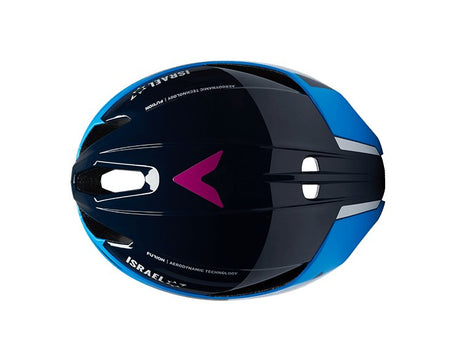
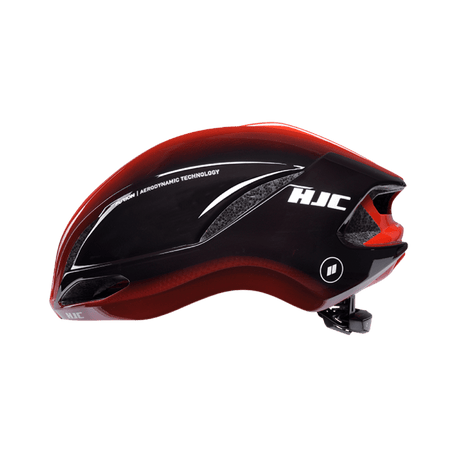
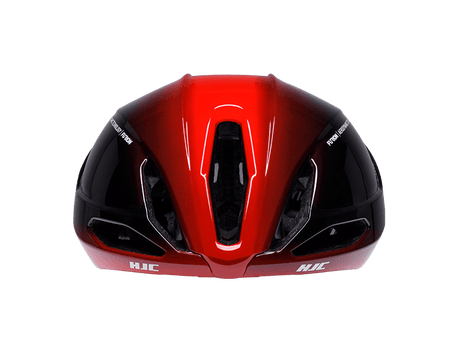
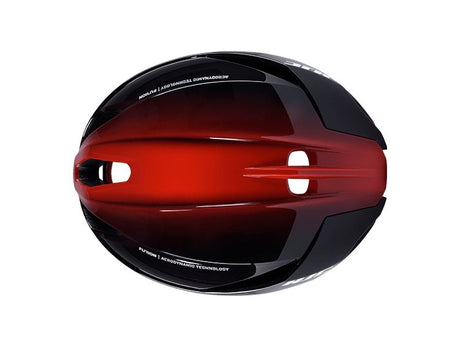
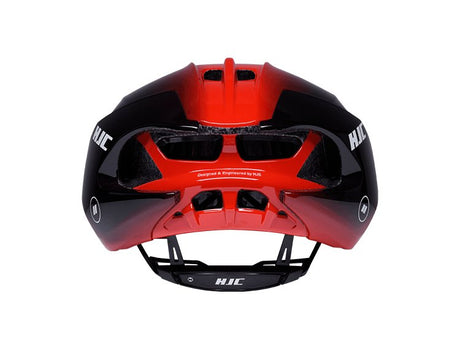
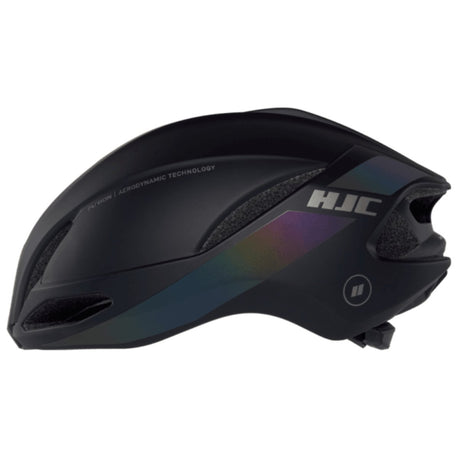
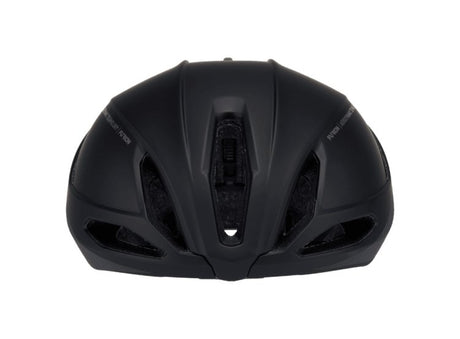
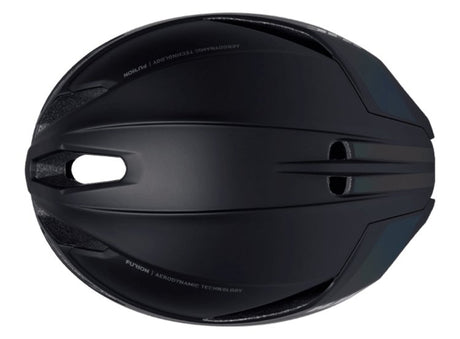
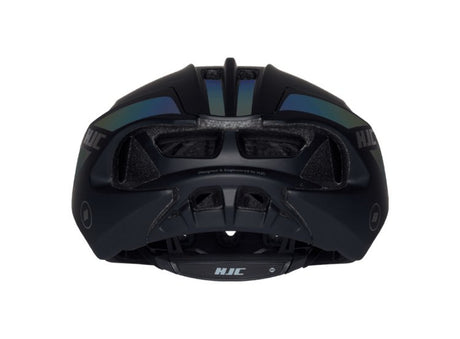
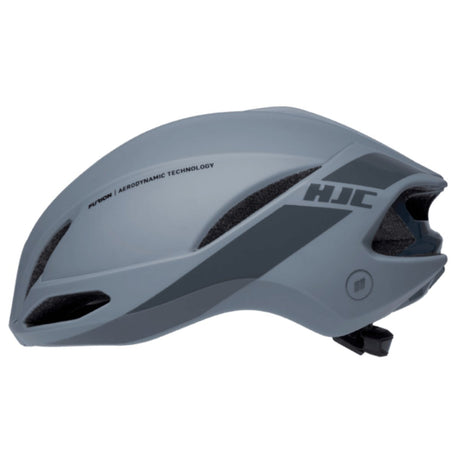
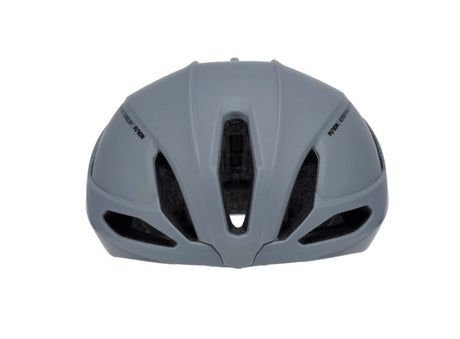
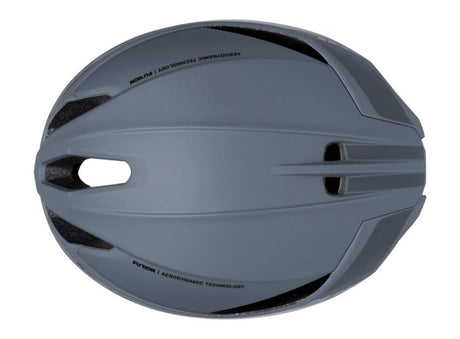
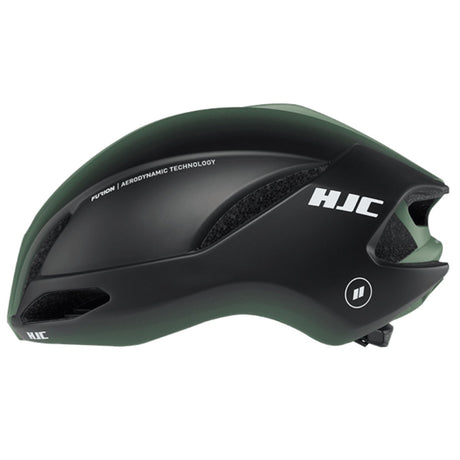
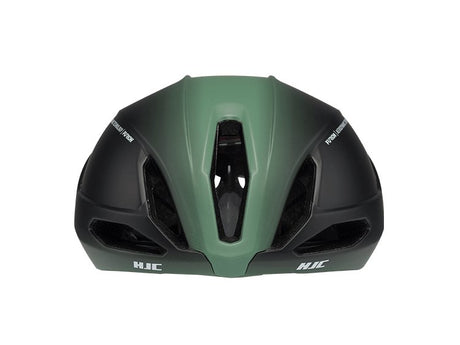
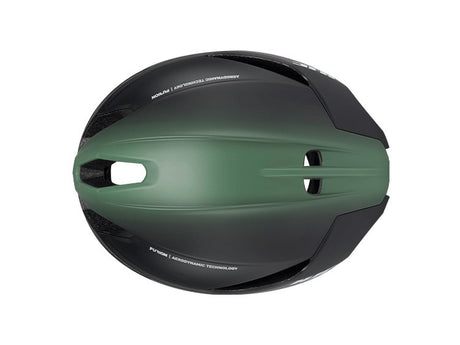
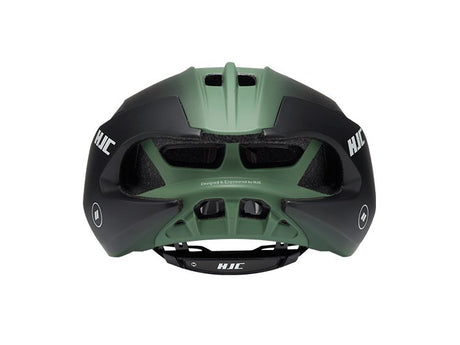
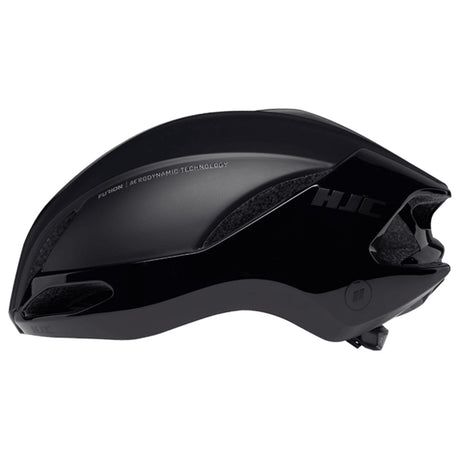
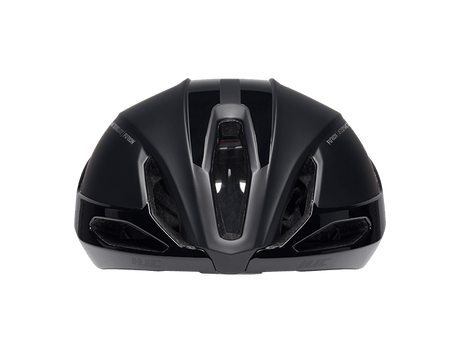
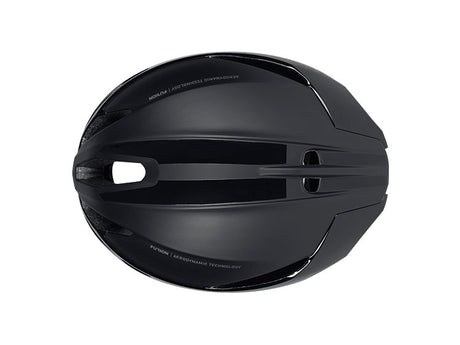
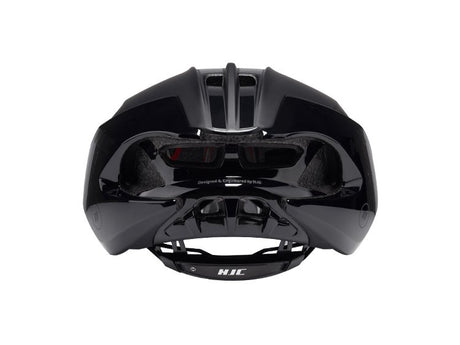
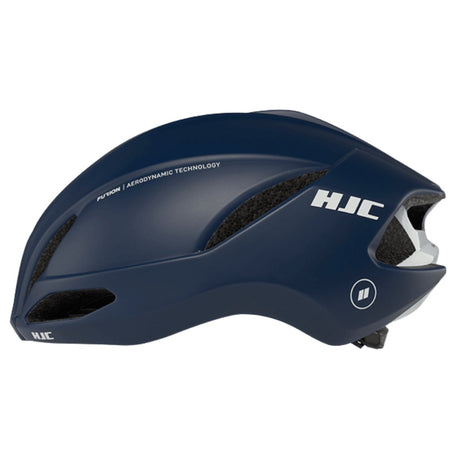
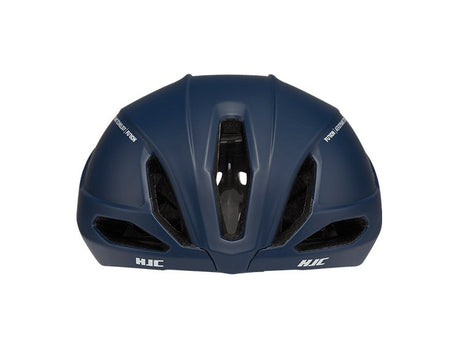
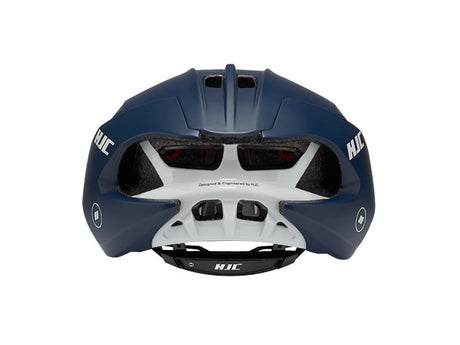
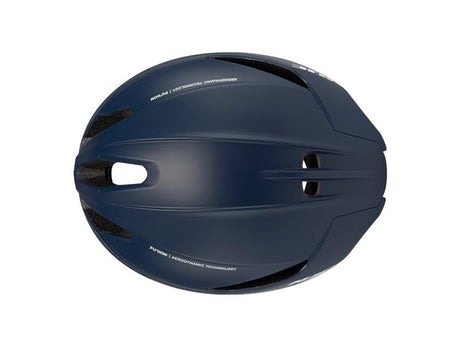
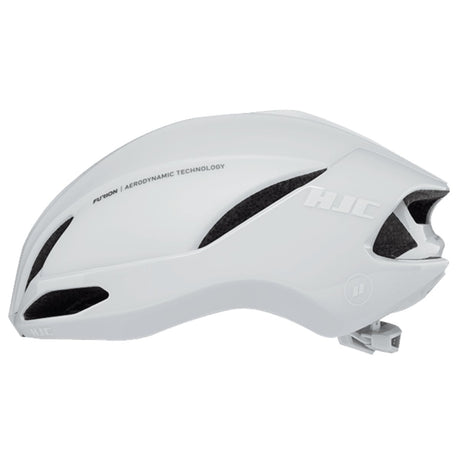
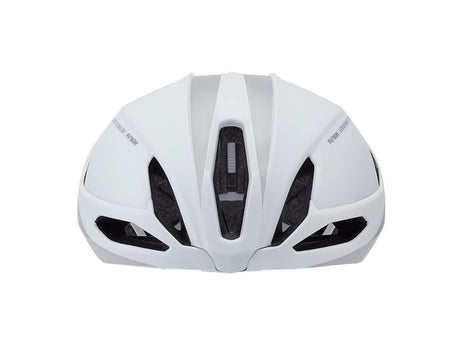
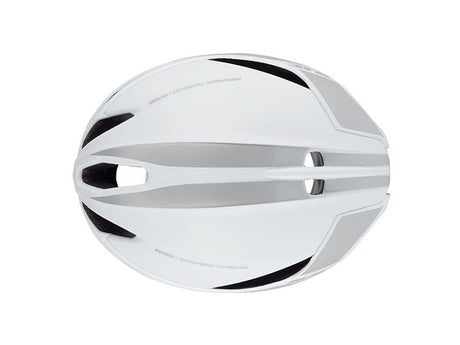
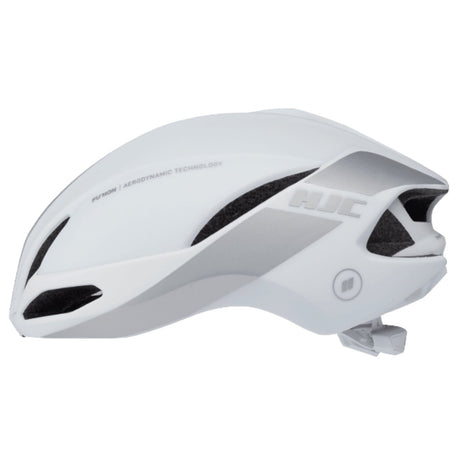
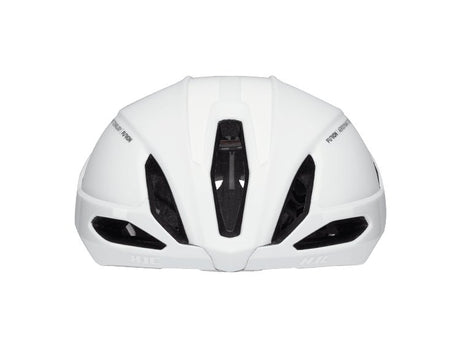
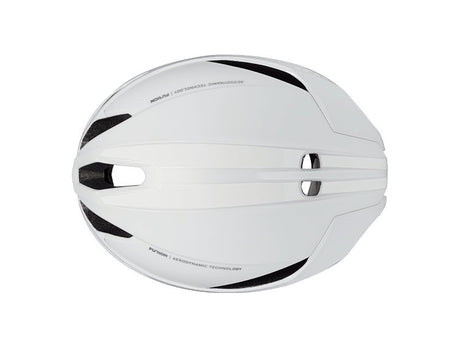
Aero helmets are the wrong default. The Kask Mistral, the Bambino Pro, the Abus Gamechanger and the HJC Adwatt are genuinely fast, and they achieve that partly by having fewer and smaller vents. On a 38 degree morning that trade is a bad one unless you are racing against a clock. Buy aero for a time trial, not for your Sunday ride.
The cheapest helmet is not automatically the hottest. Ventilation is about the shape of the channels inside the shell rather than the price, and several mid-range helmets flow air better than expensive aero ones. What you pay more for is lighter weight, better pads and a nicer retention system, not necessarily more airflow.
What actually cools your head

Internal channelling, not vent count
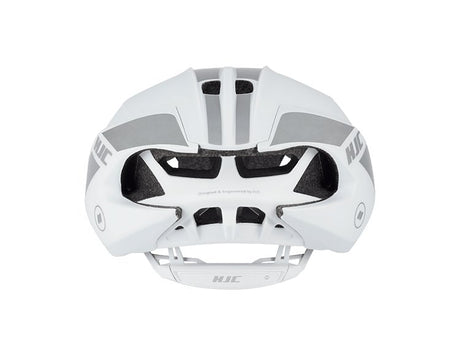
Counting holes tells you very little. What matters is whether air entering the front vents has a clear path across your scalp and out of the back. A helmet with twenty vents and blocked channels is hotter than one with twelve vents and deep, continuous grooves. You can see this by looking inside: run a finger along the channels and check they are not interrupted by thick pads or the retention cradle.
Pads, which matter more than people expect
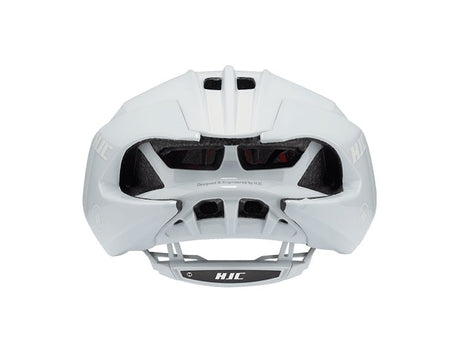
Thick, dense padding blocks the very channels you paid for and soaks up sweat until it drips into your eyes. Thin pads on a few strips flow better. Check the pads come out easily, because in this climate you will be washing them weekly, and a helmet with glued-in padding becomes unpleasant quickly.
Colour, which genuinely matters here
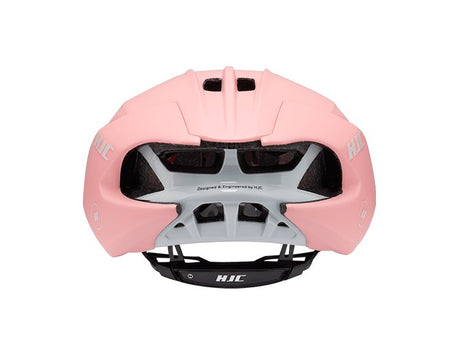
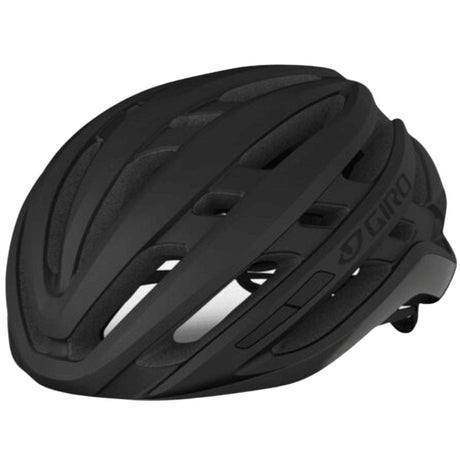
A black helmet in direct Indian sun gets measurably hotter than a white or light one. This is one of the few places where choosing on colour is a technical decision rather than a vanity one. If you ride in the middle of the day, take the pale version.
Weight, indirectly
A lighter helmet is not cooler, but it is less noticeable, and on a long hot ride the thing pressing on your head becomes more irritating as you tire. The Kask Valegro at ₹18,990 is the standout here: it was designed around ventilation and low weight rather than aerodynamics, and it is the helmet to look at if heat is your main complaint.
MIPS, and exactly what it costs

MIPS is a low-friction liner that lets the shell rotate a few millimetres around your head during an impact. Most real crashes are angled rather than straight on, and that rotation is associated with brain injury, so the idea is to absorb some of the twist before it reaches you. Laboratory testing supports a reduction in rotational forces. Whether that translates into a specific reduction in injury on the road is harder to prove, and you should be sceptical of anyone who tells you it is settled.
What makes the decision easy here is that several helmets are sold in both versions, so the premium is visible rather than theoretical.
| Helmet | Standard | With MIPS | Difference |
|---|---|---|---|
| Abus Macator | ₹3,790 to ₹5,490 | ₹5,750 to ₹7,990 | About ₹2,000 |
| Abus MoTrip | ₹4,690 to ₹5,490 | ₹6,890 to ₹7,990 | About ₹2,200 |
| Safety Labs X-Eros 2.0 | ₹4,990 | ₹6,990 | ₹2,000 |
| Abus MoDrop | ₹7,990 to ₹9,890 | ₹10,990 to ₹12,850 | About ₹3,000 |
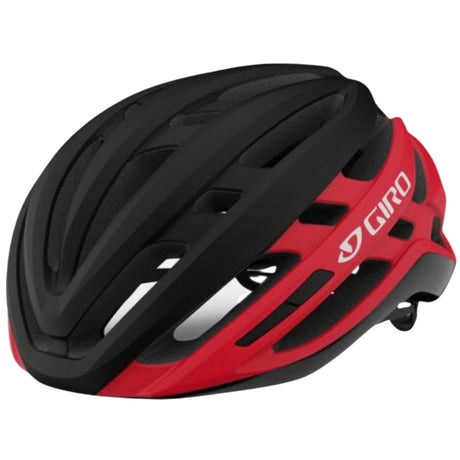
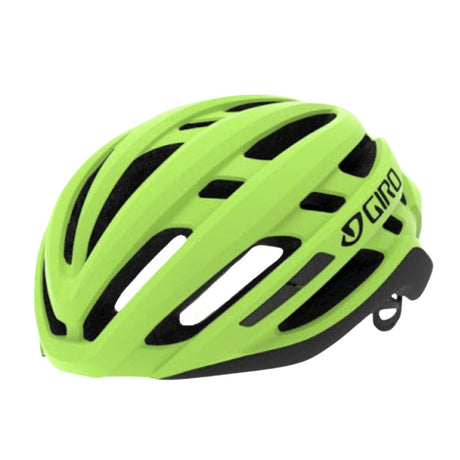
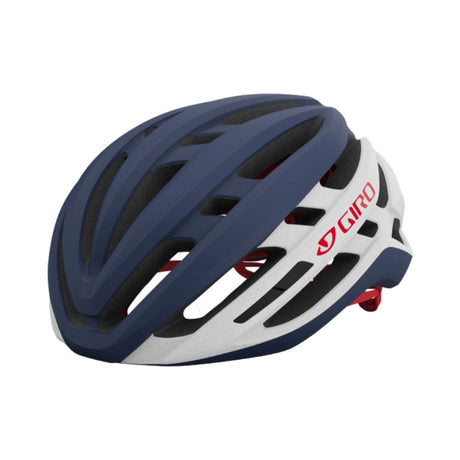
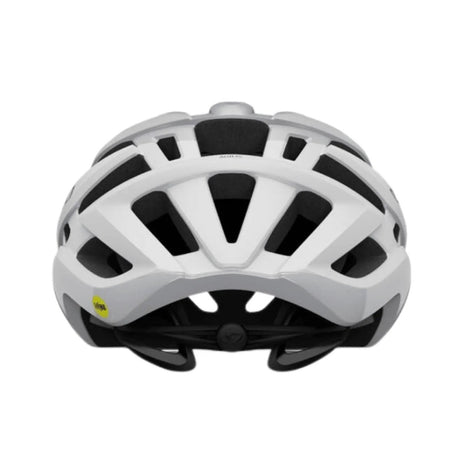
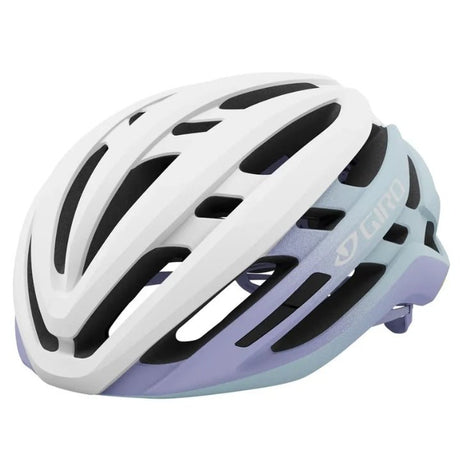
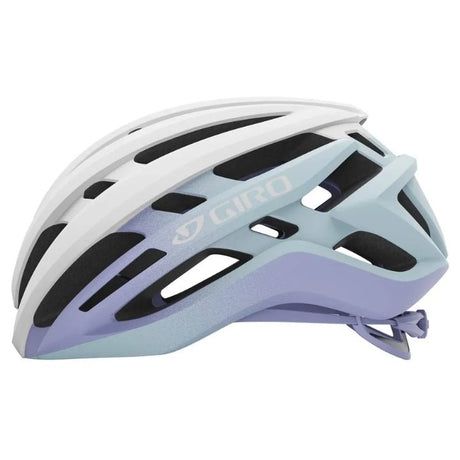
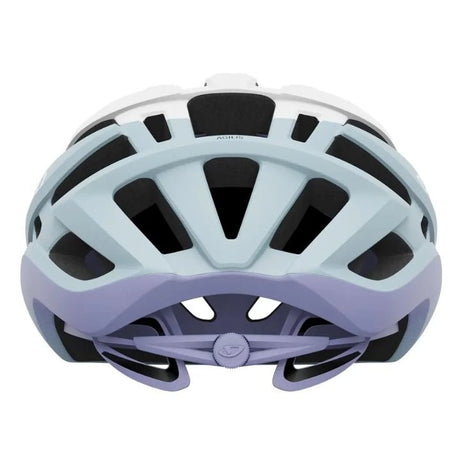
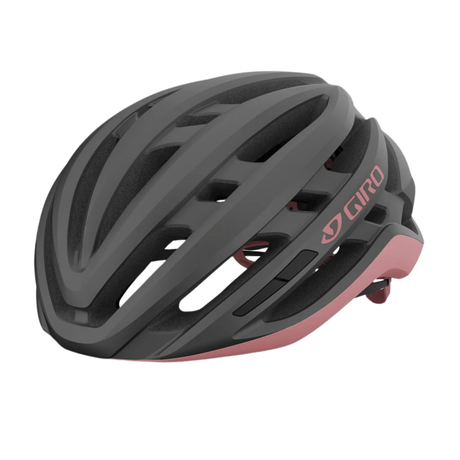
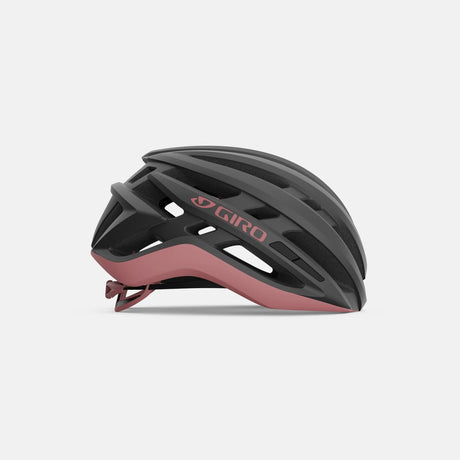
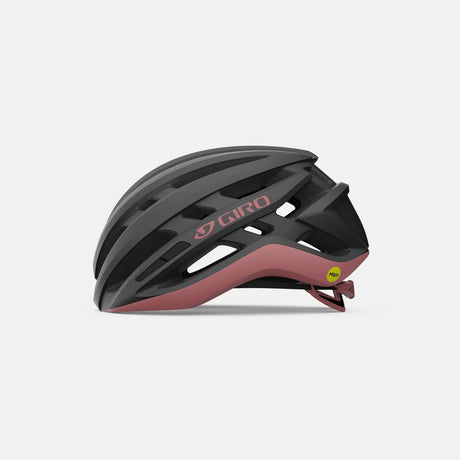
| Giro Agilis | ₹6,999 to ₹8,999 | ₹9,499 to ₹11,999 | About ₹2,800 |
| Abus Powerdome | ₹11,490 to ₹13,490 | ₹14,990 to ₹18,190 | About ₹4,000 |
Our view: at the cheaper end, where it is roughly ₹2,000 on a ₹5,000 helmet, take it. At the expensive end, where the same feature costs ₹4,000, it is more of a judgement call, and a better-ventilated non-MIPS helmet you will wear every day beats a MIPS one you find too hot.
One practical note: the MIPS liner sits between your head and the shell, and on some models it slightly reduces airflow. Try both if you can.
Fit, and the size problem
A helmet only works if it is in the right place. It should sit level, with roughly two fingers between your eyebrows and the front rim, and it should not move when you shake your head with the straps undone. If you have to overtighten the dial to stop it wobbling, it is the wrong size or the wrong shape for your head.
Head shape matters as much as circumference. Abus and Kask tend to suit rounder heads, Giro and HJC tend to suit longer oval ones. This is why trying two brands at the same stated size is worth more than any measurement.
Worth knowing before you shop: most helmets on the site are currently available in medium and large, and small is thin across every brand. If you have a smaller head, check availability early rather than settling on a model first.
What each brand is for

- Merida is the cheapest way to own a helmet at all. The Charger is around ₹1,495 to ₹1,575 against an MRP near ₹3,000, and there are hundreds of them. Basic, but a certified helmet on your head beats a better one in a shop.
- Safety Labs owns the ₹2,000 to ₹7,000 bracket with the widest choice at that money, from the Vox and Juno up to the X-Eros 2.0 MIPS at ₹6,990.
- Abus is the broadest range on the site and the one with MIPS and non-MIPS pairs at almost every level. Strong from ₹3,790 right up to the ₹29,990 Gamechanger 2.0.
- Gist sits neatly in the middle, with the Ares at ₹4,999 and the Sonar at ₹6,999.
- Kask is the premium ventilation and finish choice. The Mojito³ at ₹13,990 is the sensible entry to the brand.
- Rudy Project, HJC and Giro are all worth trying for fit, though stock is generally one or two per size rather than deep.
What to buy at each budget
| Budget | Pick | Why |
|---|---|---|
| Under ₹2,000 | Merida Charger, from ₹1,495 | Half MRP. A real helmet for commuting |
| Around ₹3,000 | Safety Labs X-Eros, ₹3,003 | Better vents and fit dial than the entry tier |
| Around ₹5,000 | Abus Macator, from ₹3,790 | The value sweet spot, and deep stock |
| Around ₹7,000 | Safety Labs X-Eros 2.0 MIPS, ₹6,990 | The cheapest MIPS helmet worth owning |
| Around ₹10,000 | Rudy Project Strym, ₹9,990 | Light, well vented, proper road helmet |
| Around ₹14,000 | Kask Mojito³, ₹13,990 | Kask fit and finish at a sane price |
| Around ₹19,000 | Kask Valegro, ₹18,990 | The best ventilation on this page |
| Above ₹25,000 | Kask Protone Icon or Abus Gamechanger 2.0 | Aero and race intent, at a heat cost |
If you want one recommendation: spend ₹5,000 to ₹7,000. That is where you get a proper adjustable retention system, removable washable pads, sensible channelling and, at the top of that band, MIPS. Below it the fit systems are crude, and above it you are paying for weight and finish rather than airflow.
Prices are indicative and move with exchange rates and import duty.
FAQs
How often should I replace a helmet, and does Indian heat shorten that?
Immediately after any impact, even one that leaves no visible mark, because the foam works by crushing and a crushed helmet has already done its job. Otherwise most manufacturers suggest three to five years. Heat and ultraviolet light do age the foam and make straps brittle, so the shorter end of that range is sensible here. The single worst thing you can do is leave a helmet on a parcel shelf or in a parked car through an Indian summer afternoon, where interior temperatures can climb high enough to soften the foam.
Does a helmet with more vents always run cooler?
No, and this is the most common mistake people make in a shop. Air has to get in at the front, travel along a channel against your scalp and exit at the back, so a helmet with large front intakes and blocked or shallow internal channels moves very little air. Look inside rather than outside, and check the grooves run continuously from front to back without the pads or the retention cradle interrupting them. A well channelled twelve vent helmet beats a poorly channelled twenty vent one.
Do I need a different helmet for mountain biking?
If you ride proper trails, yes. Mountain bike helmets extend lower at the back and sides to cover more of the head, and they come with a visor for branches and low sun. Abus makes several, including the Montrailer, Moventor and Cliffhanger. For gravel and light trail riding a road helmet is perfectly adequate, and many gravel riders prefer one because it is cooler. The reverse does not hold as neatly: a mountain bike helmet on the road is heavier and hotter than it needs to be.
Are the cheap helmets actually certified?
Every helmet we sell carries a recognised safety certification, and you will find the label inside the shell, usually on a sticker under the padding. What separates a Rs 1,500 helmet from a Rs 15,000 one is not whether it passes the test but everything around it: weight, ventilation, the quality of the fit dial, strap comfort and how well the pads handle sweat. A certified cheap helmet worn on every ride protects you far better than an expensive one bought and then left at home because it is uncomfortable.
How should I clean a helmet that gets sweated into daily?
Pull the pads out and wash them by hand in mild soap and cool water, then air dry them completely before refitting, ideally after every two or three rides in hot weather. Wipe the straps with a damp cloth and the same mild soap, since salt is what stiffens webbing and makes it smell. Never put a helmet or its pads in a washing machine, and never use solvents or strong cleaners on the shell, because they can attack the foam and the bonding between shell and liner. Dry it in shade rather than direct sun.
Narrowing it down
Not sure which size or shape suits your head? Ask TBA Guide with your head circumference in centimetres and the kind of riding you do, and we will narrow it to two or three.