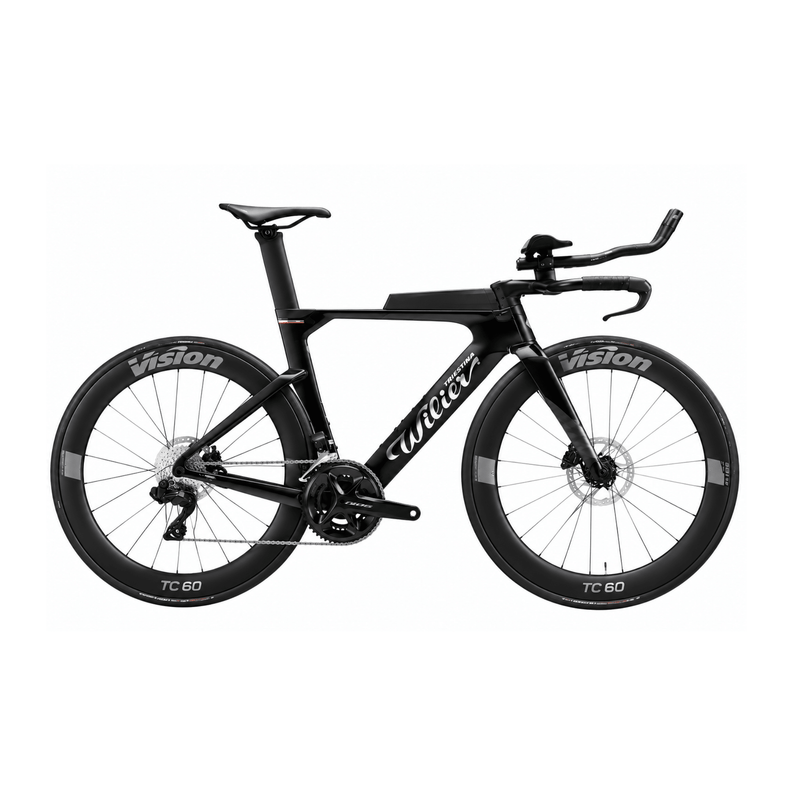
Short answer: a carbon frame makes a road bike lighter, smoother over rough tarmac and, at the higher end, more aerodynamic, which is why most bikes above about ₹1.8 lakh are carbon. Aluminium is cheaper, shrugs off knocks better and, with a carbon fork and good tyres, rides far better than its reputation. If your budget is under ₹1.5 lakh, buy aluminium with good components. Above ₹2 lakh, carbon is the right choice for most riders.
Frame material is the first thing most people ask about when choosing a road bike, and the answer matters more than most specifications on the page. It decides how much the bike weighs, how it feels on a broken road and how well it copes with being dropped in a parking lot. This guide explains what actually differs between carbon and aluminium, compares two bikes with the same groupset on different frames, and shows where each one makes sense.
- What actually differs
- Same groupset, different frame
- When aluminium is the better buy
- When carbon is worth it
- Living with a carbon bike
- What about steel and titanium?
- FAQ
- Getting help
What actually differs
| Aluminium | Carbon | |
|---|---|---|
| Frame weight | Roughly 1.1 to 1.5 kg | Roughly 0.7 to 1.1 kg |
| Ride feel | Firmer, more road buzz, much improved on modern frames | Smoother, because the layup can be tuned to flex where comfort matters |
| Stiffness for sprinting and climbing | Good | Excellent, and tuned to the frame size |
| Aero shapes | Limited, since metal tubes are hard to shape | Deep, truncated tube shapes are easy to make |
| Knocks and dents | Dents rather than cracks, and easy to inspect | Strong in the directions it is designed for, but sensitive to sharp impacts and overtightened clamps |
| Price | From about ₹85,000 on a complete bike | From about ₹1.8 lakh on a complete bike |
Prices are indicative and move with exchange rates and import duty.
Two things narrow the gap more than most riders expect. Almost every aluminium road bike now comes with a carbon fork, which takes much of the sting out of the front end. And tyres matter more than frame material for comfort: a 28 or 30mm tyre at the right pressure does more for a harsh ride than a carbon frame does. Our tyre pressure guide explains why.
Same groupset, different frame
The cleanest way to see what carbon costs is to compare two bikes from the same brand with the same gears.

| Pardus Super AL 105 12S | Pardus Super Sport Gen2 105 12S | |
|---|---|---|
| Frame | 6061 T6 aluminium | Carbon frame and fork |
| Gears | Shimano 105, 2x12 | Shimano 105 R7100, 2x12 |
| Geometry | Endurance, relaxed position | Endurance |
| Extras | Thru-axles, flat mount disc brakes | Carbon integrated handlebar, room for 40mm tyres, UDH hanger |
| Price | ₹1,29,990 | ₹1,79,990 |
The ₹50,000 difference buys the carbon frame and fork, a carbon cockpit and more tyre clearance. The gears and the brakes do the same job on both bikes. That is the real choice in this price range: spend the money on the frame, or keep it for wheels, a bike fit and good kit.
The same trade-off shows up across brands. The aluminium Cannondale Synapse 2 costs about the same as the carbon Pardus Super Sport, so you are choosing between a well-known brand's aluminium endurance bike and a carbon frame from a newer brand.
When aluminium is the better buy
- Your budget is under about ₹1.5 lakh. At this price, an aluminium frame lets more of the money go on gears, brakes and wheels. A carbon bike at the same price usually has cheaper components hung on it.
- You are new to road riding. Your first year tells you what kind of riding you enjoy and which position suits you. A good aluminium bike keeps its value well enough to sell on if you upgrade.
- The bike will live a hard life. Commuting, locking up outside, train or car transport and crowded bike parking are all easier on aluminium.
- You want a training or wet-weather bike alongside a carbon race bike.
Good aluminium road bikes we stock include the Cannondale CAAD Optimo 4 at ₹85,599, the Merida Scultura Rim 100 at ₹86,990 and the Pardus Super AL 105 11S at ₹94,990, all with carbon forks.
When carbon is worth it
- You ride long distances. On a 150km ride or a brevet, a smoother frame means less fatigue in your hands, shoulders and back by the last hour.
- You climb a lot or race. Lower weight and a stiffer bottom bracket area are easiest to feel on climbs and in sprints.
- You want an aero bike. Truly aero frame shapes only exist in carbon.
- Your budget is ₹2 lakh or more. From here, carbon frames come with 105 12-speed or 105 Di2, so you no longer trade components for the frame.
Carbon bikes from about ₹1.8 to ₹2.5 lakh include the Pardus Super Sport Gen2, the Gusto Duro Evo 105 at ₹1,99,990, the Basso Venta R 105 at ₹2,09,990 and the Merida Reacto 4000 at ₹2,34,990. Our guide to what each road bike budget buys goes through every price band, and you can browse all road bikes.
Living with a carbon bike
Carbon is not fragile in normal riding, but it needs a little more care than aluminium.
- Use a torque wrench. Overtightened stem, seatpost and handlebar bolts are the most common way carbon gets damaged. Our torque specification guide lists the usual values.
- Use carbon assembly paste on carbon seatposts and handlebars, so they grip at a lower torque.
- Do not clamp the frame in a workstand. Clamp the seatpost instead.
- Get it checked after a crash. Carbon can be damaged without visible marks. Look for cracks, soft spots or a change in the sound when you tap the area with a coin, and have a shop inspect it before riding hard again.
- Protect it when travelling. A padded bike bag and frame protectors prevent most transport damage. Our guide to travelling with your bike covers packing.
What about steel and titanium?
Both are niche choices in India, but worth knowing about.
- Steel rides with a springy, lively feel and lasts for decades, but it is heavier and needs protecting from rust. At the top end, it is craftsmanship rather than value: the Colnago Steelnovo is handmade in Italy. Our Colnago range guide covers its steel frames.
- Titanium is light, comfortable and does not corrode, which makes it a lifetime frame, but it costs as much as good carbon. Our Van Nicholas Skeiron review describes how a titanium bike rides.
FAQ
Is a carbon road bike worth it for a beginner?
Usually not for a first road bike under Rs 1.5 lakh, because at that price an aluminium bike puts more money into gears, brakes and wheels, and your first year of riding tells you which position and type of bike suit you before you spend more on a frame. If your budget is Rs 2 lakh or more, carbon makes sense from the start. Either way, get the size right first.
How long does a carbon frame last?
A carbon frame that has not been crashed or damaged by overtightened bolts can last as long as an aluminium one, often well over ten years, because carbon fibre does not fatigue the way metals do under normal riding loads and does not rust or corrode in humid weather. What shortens its life is impact damage and poor assembly. Use a torque wrench and inspect it after any crash.
Can you ride a carbon bike after a crash?
Only after it has been inspected, because carbon can be damaged internally without obvious marks on the paint, so check the frame and fork for cracks, chips that go deeper than the paint, soft spots and any change in the sound when you tap the area with a coin, paying most attention to the fork, top tube and seat stays. If anything looks wrong, stop riding it. Have a shop inspect it.
Is aluminium or carbon better for Indian roads?
Both work well on Indian roads, because comfort over broken tarmac comes mostly from tyre width and pressure, and both materials are unaffected by heat and humidity, while the real differences are that carbon is smoother on long rides and aluminium copes better with knocks in crowded parking, on trains and in car boots. Fit 28 to 32mm tyres if the frame allows. Then pick by budget.
How much lighter is a carbon road bike?
At a similar build level, a carbon road bike is typically around 0.5 to 1 kg lighter than an aluminium one, because a mid-range carbon frame weighs roughly 0.8 to 1.1 kg against about 1.1 to 1.5 kg for a good aluminium frame, and carbon forks, seatposts and handlebars save a little more. You notice the difference most on long climbs. On flat roads, wheels and position matter more.
Getting help
Tell us your budget, your height and the riding you do, and we will tell you whether carbon or aluminium makes more sense for you. Ask TBA Guide, and we will narrow it to two or three bikes.