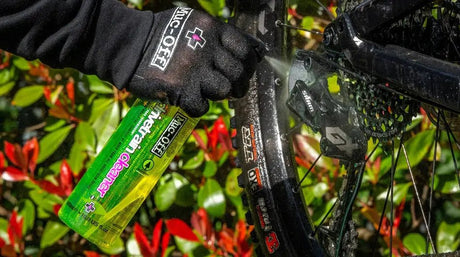
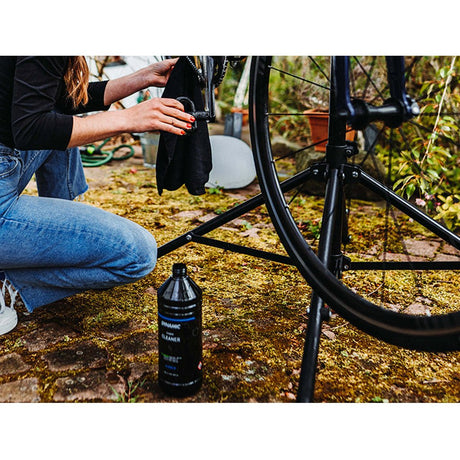
Short answer: rinse the bike with a gentle hose or a bucket, degrease the chain and cassette first, then wash the frame and wheels from the top down with a bike-specific cleaner and a soft brush. Rinse, dry everything, re-lube the chain and protect the frame, keeping any spray away from the brakes. Skip the pressure washer and household detergent. A basic kit of cleaner, two brushes and a microfibre cloth costs about ₹3,400.
A clean bike shifts better, lasts longer and shows up problems before they leave you stranded. Washing it badly does the opposite: water forced into bearings, oil on disc rotors and scratched paint are all common results of a well-meant scrub. This guide covers what you need, how often to wash, the right order, how to handle matt and gloss finishes, and how to clean a bike when you live in an apartment without a hose.
- How often to wash your bike
- What you need
- How to wash a bike, step by step
- Five mistakes that damage bikes
- Drying, protecting and finishing
- Washing without a hose
- FAQ
- Getting the right kit
How often to wash your bike
- After every wet, muddy or dusty ride. Grit and road water are what wear out a drivetrain and brake pads, and they are easiest to remove before they dry.
- Every two to four weeks on dry road rides. A quick wipe of the frame and a chain clean in between keeps most road bikes in good shape.
- After every indoor trainer session, wipe off the sweat. Sweat is salty and corrodes bolts, headsets and handlebars faster than rain does. A spray such as Dynamic Sweatopia (₹1,450) adds a barrier.
The chain needs attention more often than the rest of the bike. Our guide to cleaning and lubricating your chain covers that part in detail, so this guide keeps it short.
What you need
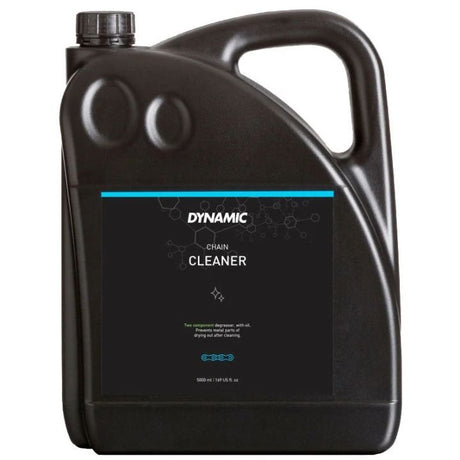
You do not need much. A bike cleaner, a degreaser for the drivetrain, a soft brush, a stiffer drivetrain brush and a microfibre cloth cover almost every wash.
| Item | Example | Price | What it does |
|---|---|---|---|
| Bike cleaner | IceToolz C182 Bike Wash | ₹890 | An eco-friendly wash: spray on, leave briefly, brush and rinse. |
| Bike cleaner | Pedro's Green Fizz | ₹1,100 | A ready-to-use biodegradable wash for regular cleaning. |
| Bike cleaner, bulk | Muc-Off Concentrate Bike Cleaner | ₹2,050 | Mixed with water, so one bottle goes a long way if you wash often or clean several bikes. |
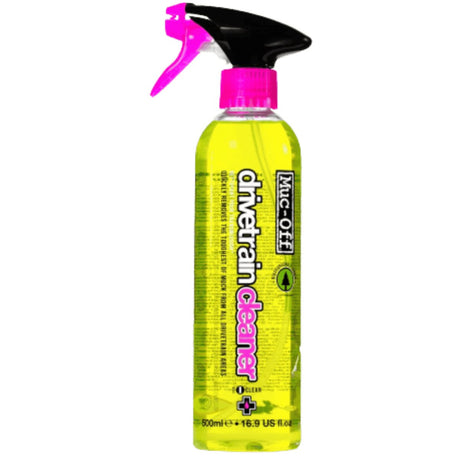
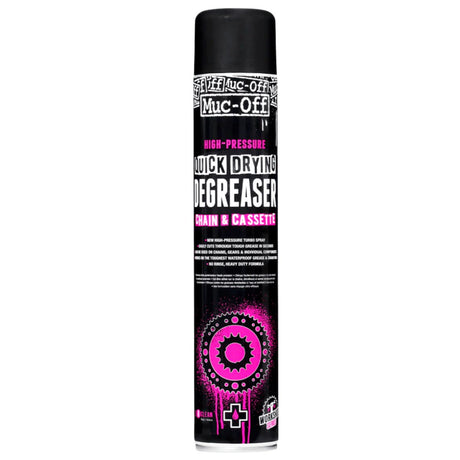
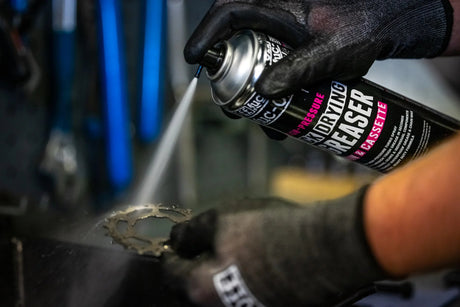
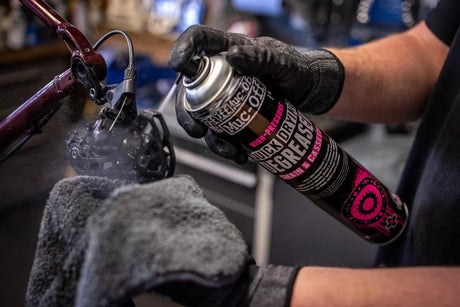
| Degreaser | Muc-Off Bio-Degreaser | ₹1,050 | Breaks down old lube and grime on the chain, cassette and chainrings. |
| Soft brush | Dynamic Soft Washing Brush | ₹1,050 | For the frame, fork and saddle without scratching paint. |
| Drivetrain brush | Juice Lubes Double Ender | ₹850 | A two-pronged brush that cleans both sides of a chainstay, crank arm or chain at once. |
| Cassette brush | IceToolz C123 Sprocket Brush | ₹490 | A narrow head that reaches between sprockets. |
| Wheel brush | Dynamic Wheel and Component Brush | ₹1,050 | Gets between spokes and around hubs and calipers. |
| Microfibre cloth | Muc-Off Luxury Microfibre Cloth | ₹900 | Dries and polishes without leaving lint. Keep a separate one for the drivetrain. |
A stand makes the job quicker and keeps the bike off the ground. The Feedback Sports Rakk (₹4,399) holds the bike upright by a wheel, while a clamp stand such as the Feedback Sports Sprint (₹29,999) lifts it off the ground so you can spin the wheels and cranks. If you would rather buy everything at once, the Silca Ultimate 4 Bottle Box Set (₹13,950) is a complete care set in one box. Prices are indicative and move with exchange rates and import duty.
How to wash a bike, step by step
- Rinse. Wet the whole bike with a gentle hose or a bucket and sponge to soften dirt. If you take the wheels out on a disc brake bike, do not squeeze the brake levers until they are back in.
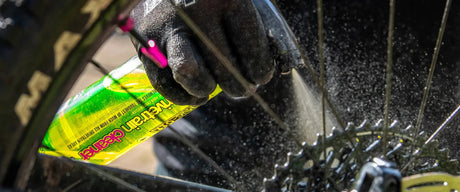
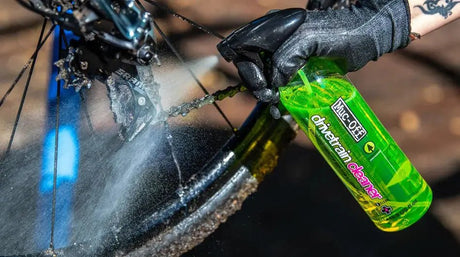
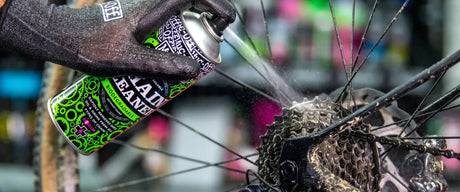
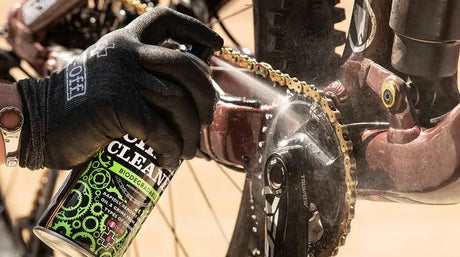
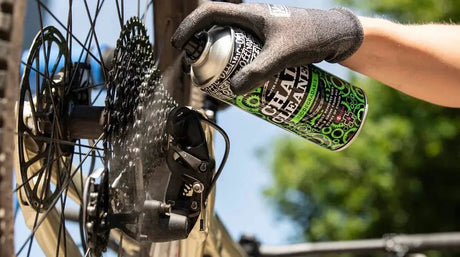
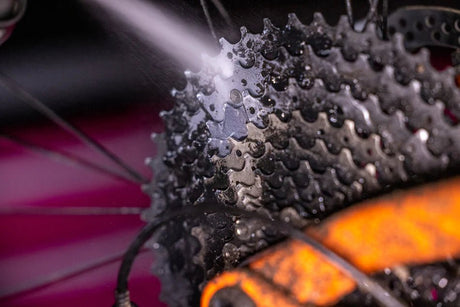
- Degrease the drivetrain first. Apply degreaser to the chain, cassette, chainrings and derailleur pulleys, work it in with the stiff brush and rinse it off. Doing this first means dirty degreaser does not land on a frame you have just cleaned.
- Spray the bike cleaner. Cover the frame, fork, wheels and tyres, working from the top down. Give it a minute or two to work, but do not let it dry on the bike, especially in direct sun.
- Brush, top down. Use the soft brush on the frame, bar, saddle and fork, then the wheel brush on rims, spokes and hubs. Gravity carries the dirt downwards, so finishing at the bottom bracket and wheels avoids cleaning anything twice.
- Rinse again. Rinse from the top down with low-pressure water until no foam is left.
- Dry. Bounce the bike gently to shake water out, spin the wheels and cranks, then dry everything with a microfibre cloth. Dry the chain with its own cloth.
- Lube the chain. A clean chain without lube rusts quickly, so lube it once it is dry, run it through the gears and wipe off the excess.
- Protect and check. Apply frame protection if you use it, then look over the bike while it is clean (see below).
A clean bike is also the best time to inspect it. Look for cuts in the tyres, wear on brake pads, cracks or chips in the frame, especially around the bottom bracket, head tube and dropouts, and loose bolts. If something looks wrong, our guide to what rain does to your drivetrain covers the wear signs to watch for.
Five mistakes that damage bikes
- Pressure washers at close range. A jet of high-pressure water forces its way past the seals in hubs, the bottom bracket, the headset and suspension, washing out grease. If you use one, choose a low setting, stand well back and never aim directly at bearings. The Muc-Off Pressure Washer Bicycle Bundle (₹21,000) is built to run at bike-safe pressure.
- Household detergents. Washing-up liquid and car shampoo are not made for bikes. Some are harsh on seals and rubber, and some leave a film. A bike wash is formulated for the materials on a bike, including carbon.
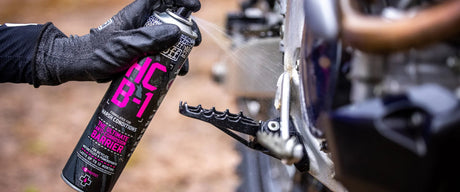
- Polish or protectant on the brakes. Silicone sprays, polishes and waxes on a disc rotor or brake pad cause squealing and weak braking. Spray onto a cloth rather than the bike near the brakes, and if a rotor is contaminated, clean it with a dedicated cleaner such as Juice Lubes Brake Juice (₹1,275). Contaminated pads usually need replacing.
- Scouring pads and stiff brushes on paint. Keep stiff bristles for the drivetrain. On the frame, a soft brush, sponge or wash mitt avoids swirl marks.
- Leaving the chain wet. Degreaser and water strip a chain of its lube. Put lube back on once it is dry, not on the next ride.
Drying, protecting and finishing
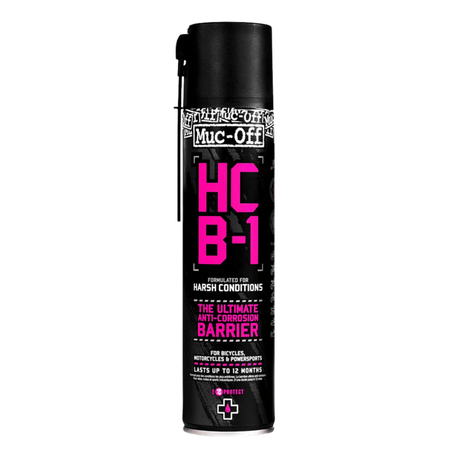
Once the bike is dry, a protectant helps water and dirt slide off next time and makes the following wash faster. Which one depends on the finish of your frame.
| Product | Price | Best for |
|---|---|---|
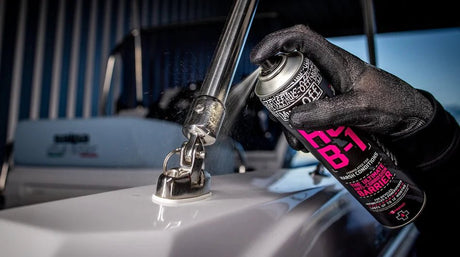
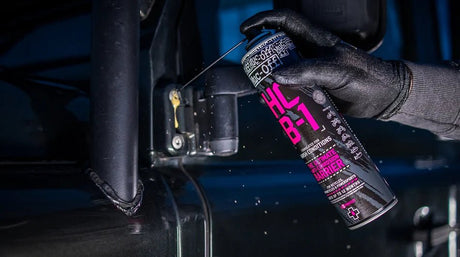
| Muc-Off Bike Protect | ₹1,150 | A spray protectant for frame and components after washing. Keep it off brake rotors and pads. |
| IceToolz C311 Polish and Protect | ₹1,290 | A polish and protectant in one for gloss frames. |
| Juice Lubes Frame Juice Gloss | ₹1,095 | A polish that brings back shine on gloss paint. |
| Juice Lubes Frame Juice Matt | ₹899 | A detailer for matt frames that cleans without adding shine. |
| Juice Lubes JL-69 | ₹1,095 | Drives water out of bolts, cable ends and mechanisms after a wet ride or wash. |
Matt paint needs care: gloss polishes and waxes can leave it patchy or shiny. Use a matt-specific product and a clean cloth. Prices are indicative and move with exchange rates and import duty.
Washing without a hose
Many riders in Indian cities live in apartments with no outdoor tap or space to wash a bike. You still have two good options.
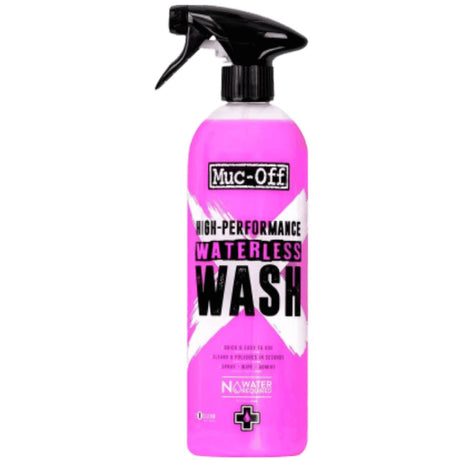
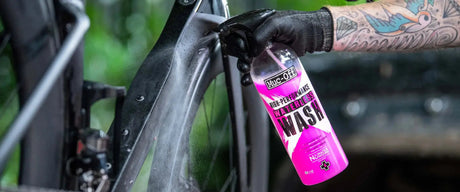
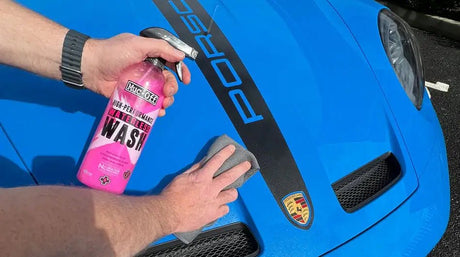
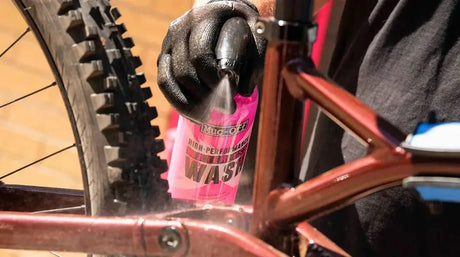
- Waterless wash. Spray a product such as Muc-Off High Performance Waterless Wash (₹1,690) onto a section of frame, let it lift the dirt and wipe it off with a microfibre cloth, turning the cloth often. It works well on dust and light road grime, not on thick mud.
- Bucket and sponge. Two buckets, one with diluted cleaner and one with clean rinse water, let you wash on a balcony or in a parking area. Put an old mat or sheet under the bike to catch drips, and still do the drivetrain first.
Browse our full range of bike cleaners and degreasers and cleaning brushes and cloths.
FAQ
Can I use a pressure washer on my bike?
You can, but only carefully: use the lowest pressure setting, stand at least a metre back and aim the spray at the frame and tyres rather than at hubs, the bottom bracket, the headset, suspension seals or the freehub, because high-pressure water pushes past bearing seals and washes out the grease inside. A garden hose or a bucket is safer. If you wash often, a lower-pressure washer made for bikes is the better choice.
Can I use dish soap or car shampoo to wash a bike?
It is better not to, because household detergents and car products are made for dishes and car paint rather than for bike seals, rubber, carbon and brake surfaces, and some can leave a residue or dry out rubber parts over time, while a bike-specific wash such as IceToolz C182 at Rs 890 is made for exactly those materials. In an emergency, a mild soap is better than leaving thick mud on the bike, but rinse it off thoroughly.
How do I clean a bike in an apartment without a hose?
Use a waterless wash for dust and light grime, spraying it onto one section at a time and wiping it off with a microfibre cloth, or use two buckets on a balcony or in a parking area, one for diluted cleaner and one for rinse water, with an old mat underneath the bike to catch the dirty water and degreaser. Clean the chain separately with a degreaser and rag rather than rinsing it. Save the full wash for after muddy rides.
Should I wash an electric bike differently?
Wash an e-bike the same way as any other bike, with a gentle hose or a bucket and a bike cleaner, but never use a pressure washer, keep water away from the charging port and the display, and check the maker's manual on whether to remove the battery and cover the contacts before you start. Dry the battery contacts before refitting it. Do not submerge any part of the motor or battery.
How do I stop sweat from an indoor trainer damaging my bike?
Wipe the frame, bar, stem, headset area and bolts with a damp cloth after every indoor session, because sweat is salty and corrodes steel bolts, headset bearings and aluminium handlebars far faster than rain does, and a protectant such as Dynamic Sweatopia Corrosion Protection Spray at Rs 1,450 adds a barrier. A sweat cover over the top tube and a towel on the bar help too. Check under the bar tape now and then, where sweat collects unseen.
Getting the right kit
The right cleaning kit depends on the bike you ride, its finish and where you wash it. Tell us those and ask TBA Guide which cleaner, brushes and protectant suit your bike.