Most monsoon cycling advice tells you to wipe your bike down after a wet ride. That's true, but it doesn't explain why, and without the why it's easy to do the wrong things in the right order, or skip the steps that actually matter.
Rain doesn't damage a bicycle directly. Water alone is fairly harmless. What causes damage is the combination of water, road grit, and the removal of the protective lubricant that normally sits between moving metal parts. Understand that mechanism and monsoon maintenance stops being a chore and becomes about ten focused minutes.
What Rain Actually Does to Your Drivetrain
Three things happen on a wet ride, and they happen faster than most riders expect.
1. Your chain lube washes off within the first hour
Chain lubricant sits inside the rollers and between the plates. That's the part that matters, not the shiny film on the outside. Sustained rain and road spray flush that lubricant out. Once it's gone, you have bare steel rollers running against bare steel pins.
Surface rust can start forming on an unprotected chain within a few hours of the bike being put away wet. It usually appears as a fine orange bloom on the rollers and side plates. Light surface rust can be cleaned and re-lubricated. What it signals, though, is that the chain has been running unlubricated, and that's the expensive part.
2. Grit turns your chain into a grinding paste
This is the real damage. Wet roads throw up a fine slurry of sand, silt, and brake dust. That slurry gets carried into the chain rollers, where the lubricant would normally have flushed it out or kept it suspended away from the wear surfaces.
With the lube gone, that grit sits directly between the pin and the roller. Every pedal stroke grinds it in. A chain that might have lasted 3,000 to 4,000 km in dry conditions can wear out in a fraction of that if it's ridden repeatedly through wet grit without cleaning. And a worn chain doesn't fail in isolation. It wears the cassette and chainrings to match, which turns a chain replacement into a full drivetrain replacement.
3. Water gets into places that are hard to dry
Cable housing, bottom bracket shells, headset bearings, and hub seals all take on water in sustained rain. Cable-actuated shifting is particularly vulnerable, because water sitting inside the outer housing corrodes the inner cable, and the first symptom is shifting that feels sluggish or won't return to the smaller sprockets cleanly. That often shows up two or three weeks after the ride that caused it, which is why people rarely connect the two.
The Post-Ride Routine That Actually Matters
You do not need to wash the bike after every wet ride. You do need to deal with the chain. Here's the order that works, and it takes about ten minutes.
Step 1. Rinse off the grit, gently. A bucket of water and a low-pressure hose or watering can is ideal. The goal is to float the grit off, not blast it deeper. If the bike is only lightly splattered, skip straight to step 2.
Step 2. Clean the chain. This is the step that matters most and the one most often skipped. Run the chain through a rag first to get the worst off, then use a degreaser. A dedicated chain cleaner like the Muc-Off Bio Chain Cleaner is designed to break down road grime without attacking seals or paint. If you'd rather not do it by hand every time, a Park Tool Cyclone chain scrubber clamps onto the chain and does the job in a couple of minutes with far less mess.
Step 3. Dry the chain properly. Back-pedal the chain through a clean, dry rag several times. You want it dry to the touch before lube goes on. Lubricant applied over water doesn't penetrate, it just traps the moisture underneath.
Step 4. Re-lubricate. Apply one drop per roller while slowly back-pedalling, let it sit for a minute or two so it can wick into the rollers, then wipe the outside of the chain thoroughly with a clean rag. The lube you want on the outside is almost none. A visibly wet, shiny chain is a grit magnet.
Step 5. Don't store it wet. Leave the bike somewhere with airflow rather than in a closed, humid corner. If you have a fan, ten minutes pointed at the bike does more than an hour of still air.
The One Swap That Makes the Biggest Difference: Wet Lube
If you change nothing else about your monsoon routine, change your chain lube.
Dry lubes, the kind most riders use through the dry season, are formulated to go on wet, dry to a waxy film, and shed dust. They're excellent in dry, dusty conditions and they keep the drivetrain clean. They are also washed off almost immediately by sustained rain.
Wet lubes are heavier and oil-based. They cling to the chain under water and road spray and keep a protective film on the metal. The tradeoff is that they attract more dirt, so a wet-lubed chain looks grubbier and needs cleaning more often. In monsoon that tradeoff is entirely worth it. A slightly dirty, protected chain beats a clean, rusting one.
Muc-Off Wet Weather Lube is the straightforward choice and what most of our customers run through the monsoon months. If you're doing high mileage and want longer intervals between applications, Silca Synergetic lasts considerably longer per application and is worth the extra cost if you're riding through rain regularly rather than occasionally.
Come October, switch back to a dry lube, but strip the wet lube off with degreaser first rather than layering one over the other.
Brakes: Expect Less, Inspect More
Braking in the wet is worse than dry braking regardless of what system you run. The question is how much worse, and what you should be checking.
Disc brakes lose bite for the first fraction of a second while the pads clear water off the rotor, then recover close to full power. The practical adjustment is simply to brake a little earlier. A light drag on the lever a second before you actually need to stop wipes the rotor and gives you the bite you expect.
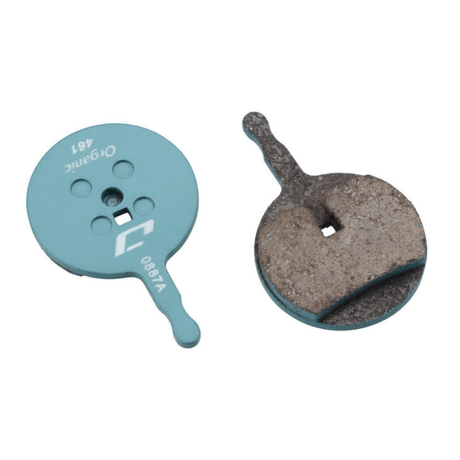
The bigger risk with discs in monsoon is contamination. Oil, chain lube overspray, or degreaser that drifts onto a rotor or pad will cause a permanent loss of braking power and often a persistent squeal. Contaminated organic pads generally can't be recovered and need replacing. When you're lubing the chain, keep a rag or a piece of card between the drivetrain and the rear rotor, and clean rotors with a dedicated disc brake cleaner rather than a general-purpose degreaser.
Wet grit also accelerates pad wear substantially. Check pad thickness more often than you would in the dry season. A Birzman brake pad wear indicator makes this a ten-second job. Keeping a spare set of pads on the shelf is sensible during monsoon; we stock Ashima pads for Shimano callipers, and Shimano J04C metal pads if you want longer life in gritty conditions, since metal compounds wear more slowly in the wet than resin, at the cost of a little more noise.
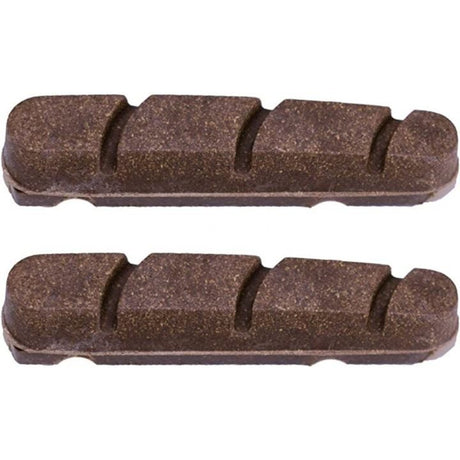
Rim brakes are affected far more seriously. Wet rims can take a full revolution or more before the pads clear enough water to generate real friction, and stopping distances increase dramatically. Ride with significantly more space in front of you than you would in the dry. Grit embedded in rim brake pads also acts like sandpaper against the braking surface, so check your pads for embedded stones after wet rides and pick them out. This is the single biggest cause of premature rim wear. Replacement rim brake pads are cheap insurance.
Measuring Chain Wear, and Why Monsoon Makes It Urgent
Chain wear is measured as elongation. As the pins and rollers wear, the effective pitch of the chain increases, and the chain no longer sits correctly on the cassette teeth. Left too long, it wears the cassette into a matching shape, at which point a new chain will skip on the old cassette and you're replacing both.
The thresholds worth knowing:
- 0.5% elongation. Replacement point for 11- and 12-speed chains
- 0.75% elongation. Replacement point for 8-, 9-, and 10-speed chains
- 1.0% and beyond. Assume the cassette is worn too
A chain wear indicator drops into the chain and tells you where you are in a few seconds. During monsoon, check every two to three weeks rather than every couple of months, because wet-weather wear rates are high enough that a chain can go from fine to past-it inside a month of heavy riding.
Replacing a chain on time is one of the highest-return maintenance habits in cycling. A SRAM PC-1031 10-speed chain or PC-1130 11-speed replaced at the right moment saves a cassette that costs several times as much.
Mudguards Are Worth It
A mudguard doesn't just keep your back dry. It stops the rear wheel from firing a continuous jet of road slurry directly into your drivetrain, bottom bracket area, and rear brake. The reduction in how much grit reaches those parts is significant, and it means less cleaning for you.
If your frame has no mounts, which is true of most road bikes, a clip-on option works. The SKS S-Guard attaches to the seatpost and needs no eyelets, and the Ass Savers Regular tucks under the saddle rails and weighs almost nothing. Neither offers full coverage, but both make a real difference to how much spray reaches you and the bike.
Five Things Not to Do
Don't use a pressure washer. High-pressure water forces past the seals on hubs, bottom brackets, and headsets, washing grease out of bearings that are considerably more expensive and time-consuming to service than a chain. Low pressure only.
Don't use WD-40 as chain lube. WD-40 is a water-displacing penetrant, not a lubricant. It will strip whatever lubricant remains and leave the chain effectively dry. It's useful for displacing water from a cable or freeing a stuck bolt; it is not chain lube.
Don't over-lubricate. More lube on the outside of the chain does not mean better protection, it means more grit sticking to it. One drop per roller, let it wick in, wipe the excess off.
Don't spray anything near the rotors. Aerosol lube drifts further than you think. Shield the rotor or remove the wheel before spraying anything in that area.
Don't store the bike wet and covered. A wet bike under a cover in still air is the ideal environment for corrosion. Airflow first, cover later.
A Realistic Monsoon Schedule
After every wet ride: Wipe and re-lube the chain. Ten minutes.
Weekly: Degrease and clean the chain and cassette properly. Check brake pads. Check tyres for embedded glass and grit, since wet roads soften debris into rubber far more readily than dry ones.
Every 2 to 3 weeks: Check chain elongation with a wear indicator.
Monthly: Check that shifting still returns cleanly across the full range. If it's gone sluggish, the cables are the likely cause and worth replacing before they seize.
End of season: Strip the wet lube, switch back to dry lube, and have the bottom bracket and headset checked if the bike has been through heavy rain repeatedly.
None of this is complicated. The riders whose bikes survive monsoon in good shape aren't doing anything elaborate. They're doing the chain, every time, without exception. Everything else is secondary.
If you're newer to bike maintenance, our beginner's guide to basic bicycle maintenance covers the year-round fundamentals. And if you'd rather have it handled, bring the bike in to our workshop in Kondapur, Hyderabad, or ask TBA Guide. A monsoon service is worth it if the bike has been out in heavy rain more than a handful of times.
FAQ
How long can a bike stay wet before damage starts?
Surface rust can begin forming on an unprotected chain within a few hours. The bike itself is fine for a day or two, but the chain is the part that suffers quickly once its lubricant has washed off. Wipe and re-lube the chain the same day rather than the next morning.
Is it safe to ride a carbon bike in the rain?
Yes. Carbon fibre is unaffected by water and does not corrode. What suffers in the wet is the metal: the chain, cassette, chainrings, cables and bearings. A carbon frame needs no more rain protection than an aluminium one, though rim brake surfaces on carbon wheels wear faster with wet grit.
Does rain damage electronic shifting like Di2 or AXS?
No. Both Shimano Di2 and SRAM AXS are sealed and rated for riding in rain, and electronic groupsets actually perform better than mechanical ones in monsoon because there are no cables to corrode or contaminate. Avoid pressure washing near junction boxes and battery contacts.
Should I remove the seatpost after riding in the rain?
Worth doing every few weeks in monsoon, not after every ride. Water runs down the seat tube and collects in the bottom bracket shell. Pulling the seatpost, turning the bike upside down for a minute and letting it drain prevents water sitting against the bottom bracket bearings all season.
Can I use a hairdryer to dry my bike?
Better not to. Forced hot air can push water further into bearings and seals rather than removing it, and sustained heat is not good for tyres, hoses or electronic components. A cloth, then airflow at room temperature, dries a bike perfectly well.
How often should I service my bike during monsoon?
Roughly twice as often as in dry season. Chain wear should be checked every two to three weeks rather than every couple of months, and a full service including cables and bearing inspection is worth doing at the end of the rainy season rather than waiting for a fixed annual interval.
Why does my bike creak after riding in the rain?
Usually water has washed grease out of an interface. The most common sources are the seatpost, bottom bracket and pedal threads. Water displaces grease, metal contacts metal under load, and it creaks. Strip, dry, re-grease and reassemble the suspect interface rather than adding lubricant on top.
Do I need to clean my bike after every wet ride?
No, but you do need to deal with the chain every time. A full wash can wait until the weekend. Wiping and re-lubricating the chain cannot, because it runs unlubricated with grit embedded in it from the moment the rain washes the old lube off.