Short answer: a bonk is not something that happens to you at the 90th kilometre. It is something you caused in the first hour and only found out about later. Your body can absorb carbohydrate far more slowly than it burns it, and anything you eat takes fifteen to twenty minutes to arrive. So by the time you feel the need for a gel, you needed it a quarter of an hour ago. The fix is not to eat when you feel bad. It is to eat on a schedule from twenty minutes in, whether you feel like it or not.
- The tank is smaller than you think
- You cannot refill as fast as you empty
- The twenty minute lag
- Why a bonk feels mental
- Fuelling is a schedule, not a response
- Why Hyderabad makes it worse
- Real food or a packet?
- What works from an Indian kitchen
- When the packet earns its price
- FAQs
- Working out your own numbers
The tank is smaller than you think
Your body stores carbohydrate as glycogen in two places: in the muscles, where it fuels the work directly, and in the liver, where it keeps blood sugar steady for the brain.
Together that is somewhere around 1,500 to 2,000 kilocalories in a reasonably trained rider. It sounds like a lot. It is roughly two to three hours of moderate riding.
Fat is not the answer to this, before anyone suggests it. You are carrying vastly more energy as fat than as glycogen, and at an easy pace fat covers a good share of the work. But the harder you ride, the more the mix shifts towards carbohydrate, and fat simply cannot be released and burned fast enough to support a hard effort on its own. That is why a bonk arrives on the hard section rather than on the flat run home.
You cannot refill as fast as you empty
Here is the fact that reframes everything else, and most riders have never been told it plainly.
Your gut can absorb roughly 60 grams of carbohydrate an hour from a single sugar source. That is the ceiling for glucose or maltodextrin on its own, and it is a transport limit rather than a matter of willpower or stomach size. Eating more does not get more across, it just leaves the excess sitting in your gut making you feel sick.
You can raise that ceiling by combining glucose with fructose, because the two use separate transporters and so run in parallel rather than queueing. A 2:1 glucose to fructose blend takes the ceiling to around 90 grams an hour for a gut that has been trained to it.
Now compare that with the burn. A rider working steadily gets through considerably more carbohydrate per hour than 60 grams. The two numbers do not meet.
So fuelling never keeps pace with the burn. It only slows the drain. You are not topping up the tank. You are reducing how quickly it empties, and that changes what good fuelling looks like: it has to start before the tank is low, because once you are behind you cannot catch up.
Worth holding on to that glucose and fructose point, because it is not only a laboratory trick. Most fruit contains both sugars naturally, which is why a banana behaves rather better as ride food than a spoonful of plain sugar does.
The twenty minute lag
The second half of the problem is timing.
A gel has to leave your stomach, cross the wall of the small intestine, enter the bloodstream and reach working muscle. That takes roughly fifteen to twenty minutes, and longer if you are riding hard, because blood is being diverted away from digestion towards your legs.
Put the two facts together and the title of this piece explains itself. The moment you notice you need food, you needed it twenty minutes ago. Eating at that point does not rescue the situation, it begins a twenty minute wait during which you keep spending from an account that is already overdrawn.
This is why riders describe a bonk as sudden. It is not sudden at all. It was a slow slide that you could not feel, followed by a threshold you crossed all at once.
Why a bonk feels mental
There is a useful distinction here that almost nobody explains, and it maps exactly onto the two different bad feelings.
Muscle glycogen running low makes your legs heavy. The power goes, the cadence drops, and hills that were fine become a grind. Unpleasant, but you can still think.
Liver glycogen running low drops your blood sugar, and that hits your brain. This is the part people describe as hitting a wall: the fog, the irritability, the strange emotional flatness, the inability to do simple arithmetic about how far is left. Riders sometimes make genuinely poor decisions in this state, which matters in traffic.
The practical consequence is that the mental symptoms are the later and more serious ones. If you have started snapping at people or you cannot work out the route home, you are well past the point where a gel fixes it quickly.
Fuelling is a schedule, not a response
Everything above leads to one change in behaviour, and it is the whole point of this article.
Start eating at twenty minutes and keep going every twenty to thirty minutes, regardless of how you feel. Feeling fine at minute twenty is not evidence that you do not need food. It is evidence that the system is working.
A workable default for a three hour ride:
| Time | What | Why |
|---|---|---|
| Before you leave | Something with carbohydrate | Liver glycogen is low after a night's sleep |
| 0:20 | First feed | Before you need it, not when |
| Every 20 to 30 min after | Food or drink mix | Keeps intake near the absorption ceiling |
| Last 30 min | Stop feeding | Nothing you eat now arrives in time |
| Within 30 min of finishing | Carbohydrate and protein | Refill for tomorrow |
Set a repeating alarm on your bike computer. Every head unit we sell can do it, and it is the single most effective use of the device beyond recording the ride. Relying on memory fails precisely when your blood sugar is falling, because remembering to eat is exactly the kind of task that goes first.
Why Hyderabad makes it worse
Two local factors stack on top of the physiology, and together they explain a great many 8am bonks.
Heat shifts you towards carbohydrate. At a given effort in high temperatures your body burns proportionally more carbohydrate than it would in cool conditions, partly because your core temperature is rising and partly because working muscle behaves differently when hot. The same ride empties the tank faster in May than in December.
Almost everyone here rides early and fasted. A 5:30am start usually means nothing since dinner, which is eleven or twelve hours. Muscle glycogen survives a night's sleep reasonably well, but liver glycogen is meaningfully depleted by morning, because it has been keeping your blood sugar steady all night. So you begin the ride already short on the store that protects your brain.
That combination, a partially empty liver at the start and an accelerated burn once the sun is up, is the classic setup for feeling wonderful for ninety minutes and dreadful at the two hour mark.
You do not have to eat a full breakfast at 5am. But something with carbohydrate before you leave, even a banana and a few dates, changes the shape of the whole ride.
Real food or a packet?
This is the question we get asked most often in the shop, and the answer is that both work. What decides between them is not which is better in the abstract, it is how hard you are riding and for how long.
Intensity decides the form
As your effort rises, blood is diverted away from your gut and towards your legs. Digestion slows down exactly when you most need fuel, which is why the form matters as much as the content.
Rank them by how much digestive work they demand:
- Liquid needs the least. A carbohydrate drink is absorbed with almost no processing, which is why it keeps working when nothing else will.
- Gel and soft food sit in the middle. Fine at moderate effort, harder going when you are breathing through your mouth.
- Solid food needs the most, and chewing itself becomes difficult at a genuinely hard pace.
So: solid food early and easy, liquid late and hard. On a four hour ride, real food in the first two hours and a drink mix in the last two is a better structure than either alone.
Duration decides the variety
Under about ninety minutes, almost nothing you do matters much, and a banana in a pocket is plenty. Between ninety minutes and three hours, the schedule starts to matter and either approach works. Beyond three or four hours, palatability becomes the limiting factor: sweet gels taken hour after hour become genuinely revolting, and most riders who blow up on very long rides do so because they stopped being able to face another sachet. That is where savoury real food earns its place.
Cost decides more than people admit
A banana costs a few rupees and a gel costs well over a hundred. If you ride four times a week, fuelling entirely from packets is an expensive habit, and it is not a better one for ordinary training. Save the engineered nutrition for the rides where the numbers matter.
What works from an Indian kitchen
Most of what a rider needs is already in the house. Approximate carbohydrate figures, because they vary with size and brand:
| Food | Roughly | Best for | Watch out |
|---|---|---|---|
| Banana, medium | 25g | The default. Glucose and fructose together | Turns to mush in a jersey pocket |
| Dates, two large or four small | 30g | Most carbohydrate per gram you can carry | Fuse into a block in the heat. Wrap them |
| Raisins, small handful | 30g | Easy to eat in small amounts, pocketable | Sticky fingers on the bars |
| Jaggery, small piece | 25g | Fast sugar when you are already behind | Melts. Keep it wrapped in paper |
| Peanut or til chikki | 20g plus fat | Slower release, good early on a long ride | Too heavy to digest at hard effort |
| Boiled potato with salt | 25g | Savoury relief on rides over four hours | Needs planning the night before |
| Poha or upma, a plate | 50g | Before you leave, not during | Needs an hour to settle |
| Idli, two | 25g | Pre-ride when your stomach is fussy | Bland by design, which is the point |
| Coconut water, a glass | 9g | Potassium and fluid, mid-ride stop | Hydration, not fuel. Do not count it |
| Nimbu pani with salt and sugar | Depends | A homemade bottle mix | Easy to make too sweet to absorb |
| Chaas or buttermilk | Low | After the ride, for sodium and fluid | Not a during-ride drink in heat |
The one to start with is the banana. It happens to contain both glucose and fructose, which is the same pairing the engineered drink mixes are built around, and it sits well in the stomach at moderate effort.
The one people underrate is the boiled potato with a pinch of salt. On a long ride, the first savoury thing you eat after three hours of sweet is a noticeable relief, and it brings sodium with it.
The one to be careful with is anything containing much fat or protein. Chikki, laddu and nuts digest slowly, which is fine on an easy morning and a poor idea when you are riding hard, because they sit in the stomach precisely when the gut has least blood to work with.
Packing real food for Indian heat
Most of the practical problems here are not nutritional, they are about what survives three hours in a jersey pocket at 35 degrees. Dates and jaggery fuse together, so wrap portions individually in paper. Chocolate is not ride food here at all. A banana at the bottom of a pocket becomes a paste, so it goes in first and comes out first. And anything sticky is a problem on brake hoods, so plan to rinse your fingers from a bottle.
When the packet earns its price
None of the above means sports nutrition is a waste of money. It is a precision tool, and there are four situations where it genuinely beats a banana.
- When you need a known number. Real food is approximate. If you are trying to take 70 grams an hour on a long event, a labelled serving is the only way to know what you have actually had.
- When you need to get past 60 grams an hour. Hitting the higher intake ceiling reliably needs a properly formulated glucose to fructose ratio, which is difficult to improvise from a kitchen.
- When the effort is too hard to chew. Racing, a hard group ride, the last hour of a long day. Liquid and gel work when food will not go down.
- When it has to survive the ride. A sealed sachet does not melt, bruise or leak into your pocket.
What we stock for that:
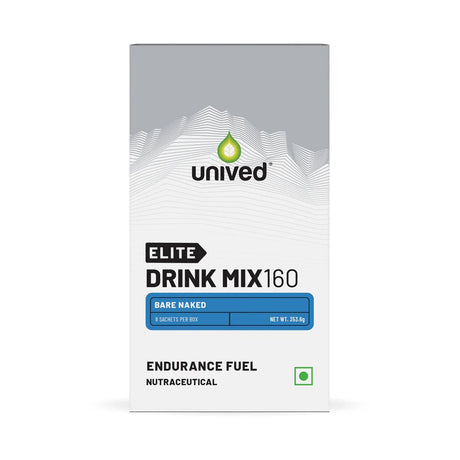
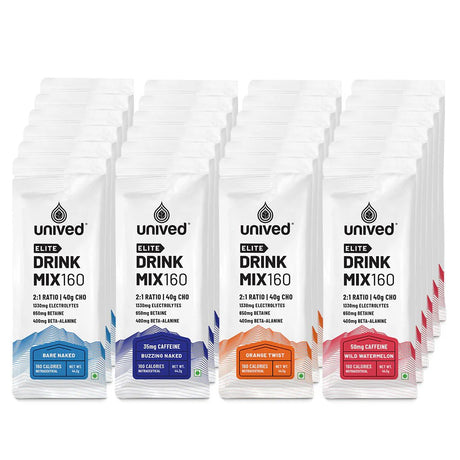
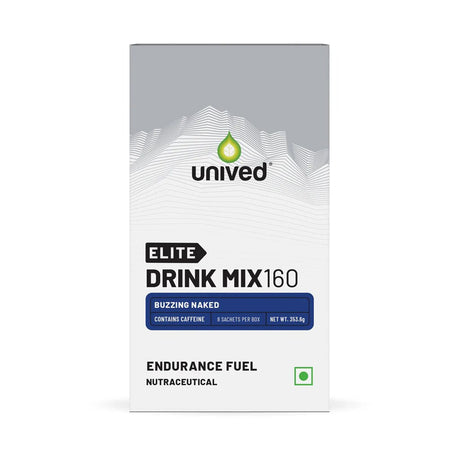
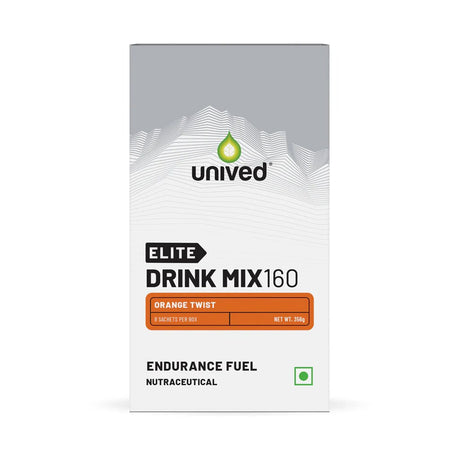
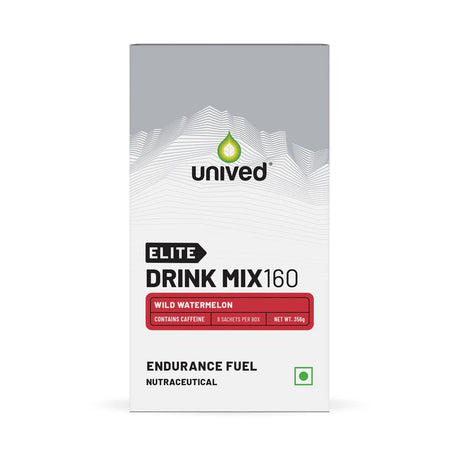
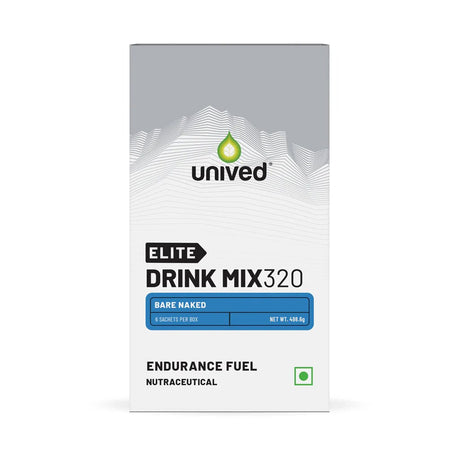
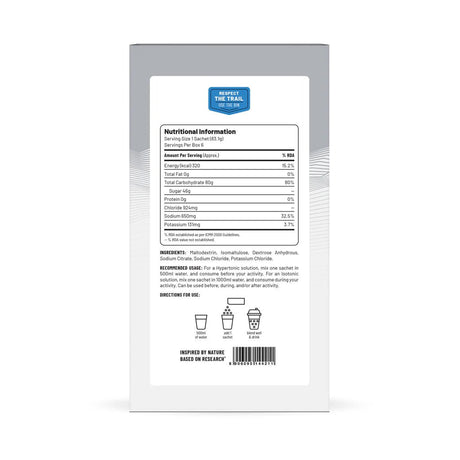
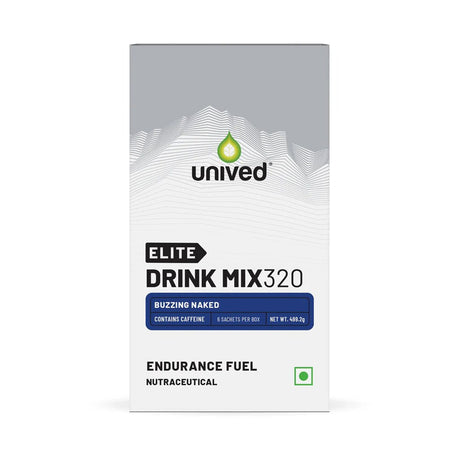
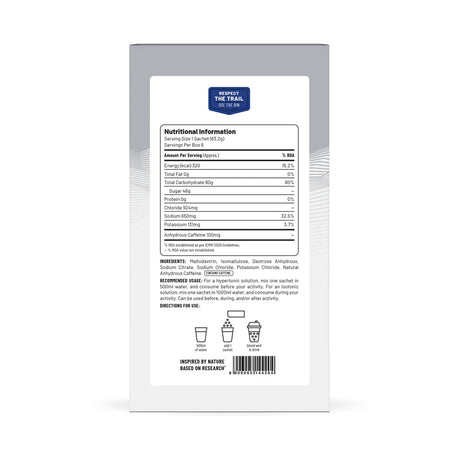
- Carbohydrate in the bottle. The Elite Drink Mix 160 at ₹800 to ₹880 for a box of eight gives 40 grams a serving in the 2:1 ratio. For longer efforts the Elite Drink Mix 320 at ₹850 is the higher-carbohydrate version of the same formula.
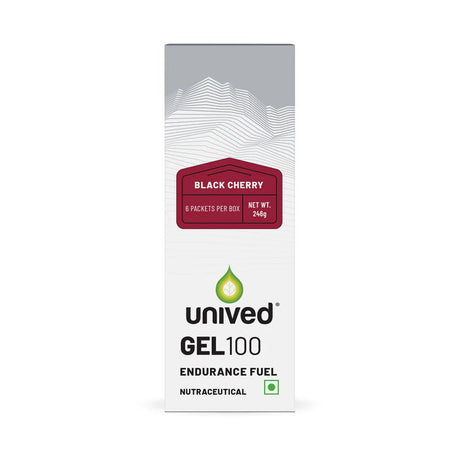
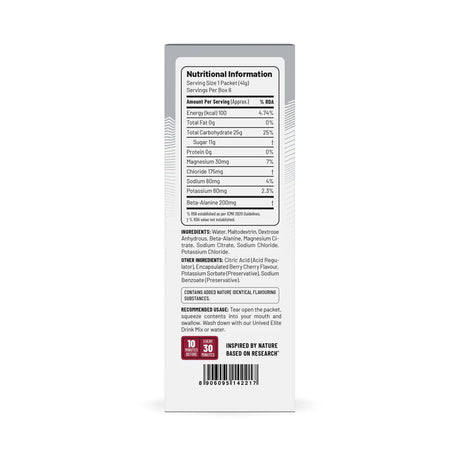
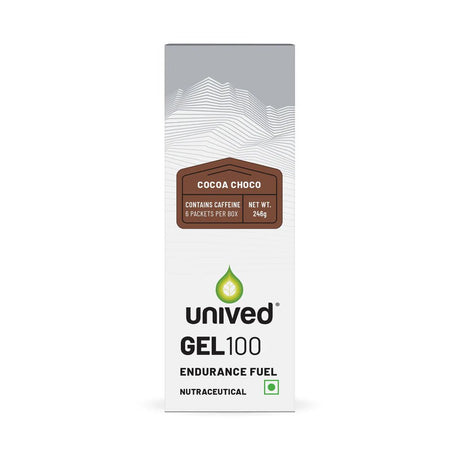
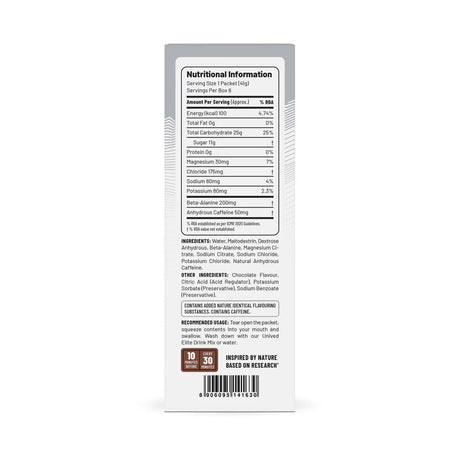
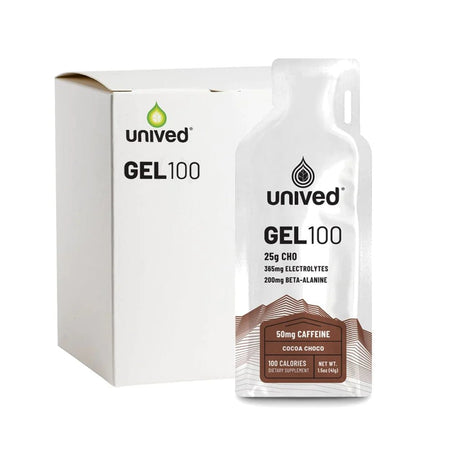
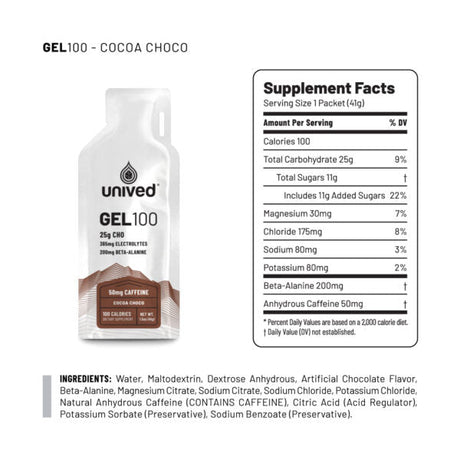
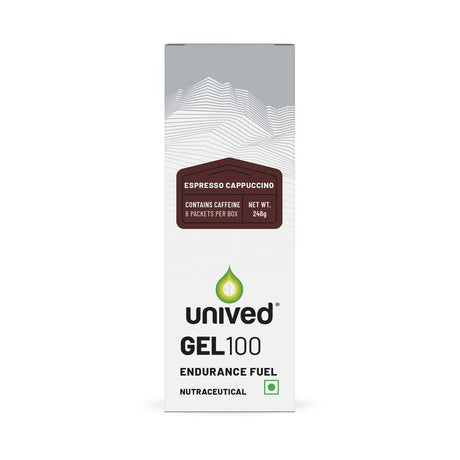
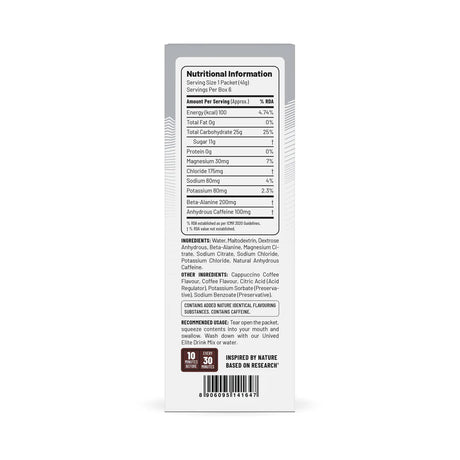
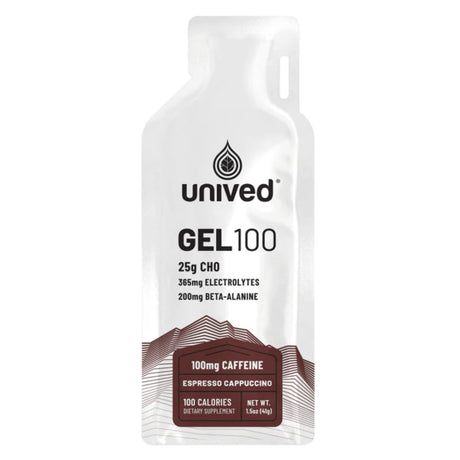
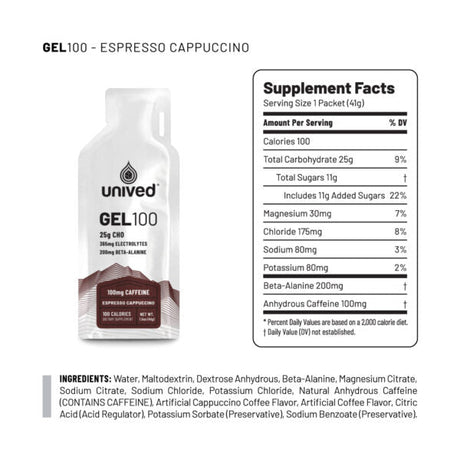
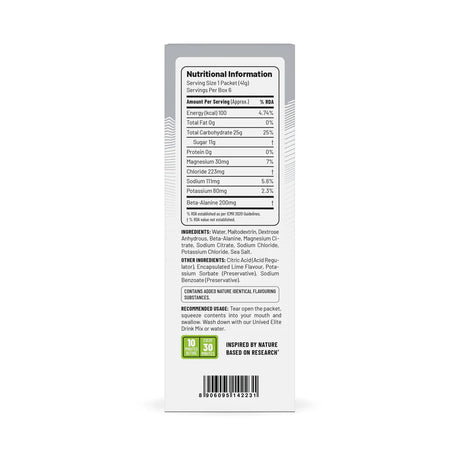
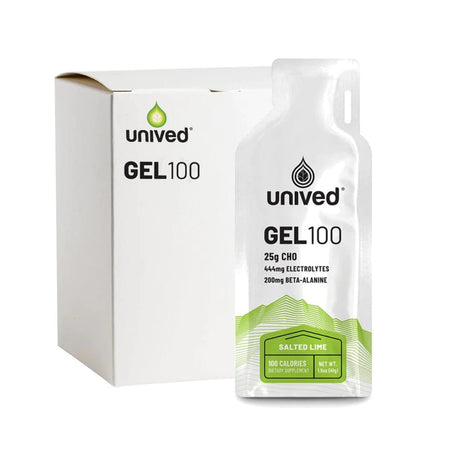
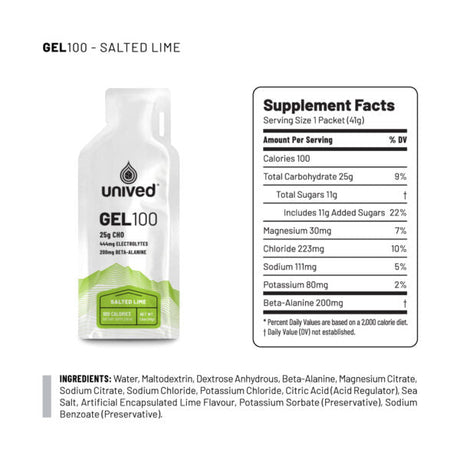
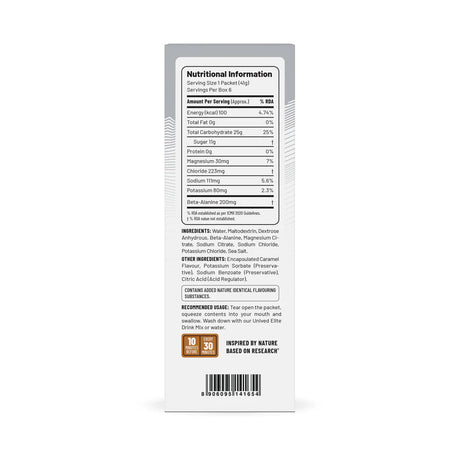
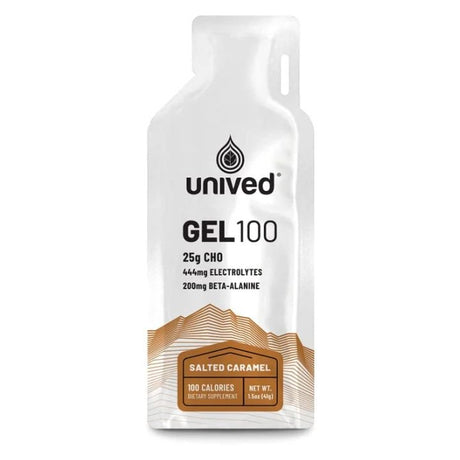
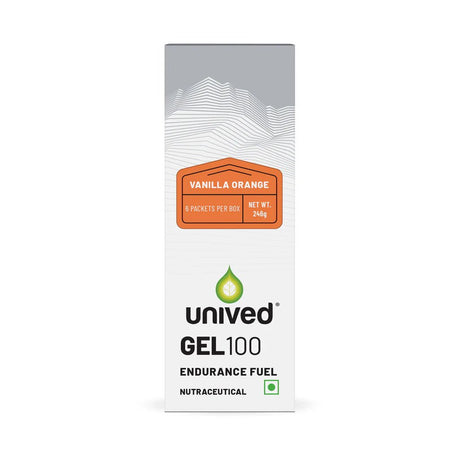
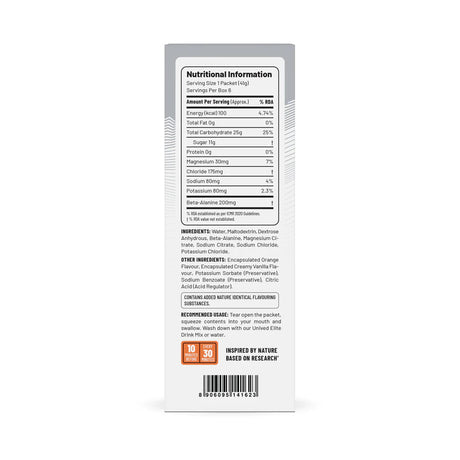
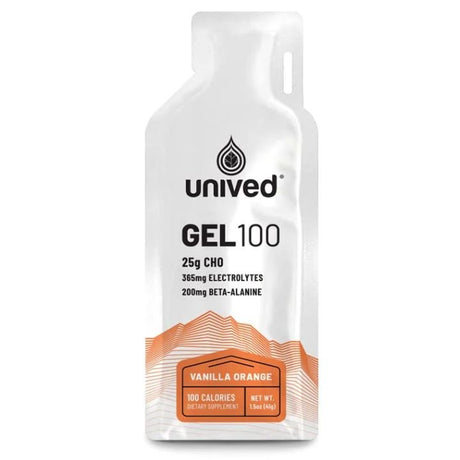
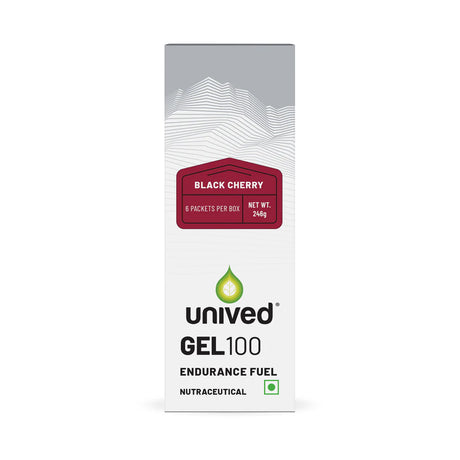
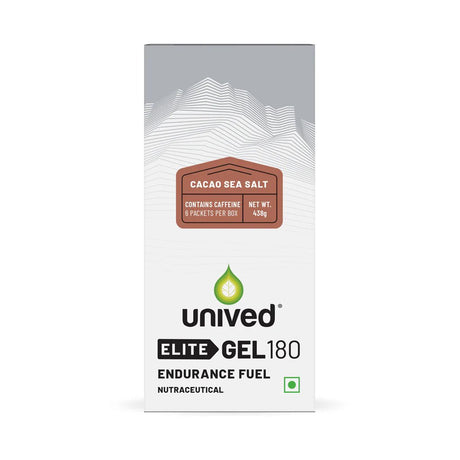
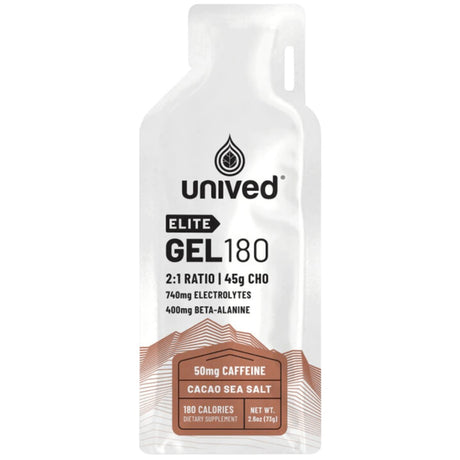
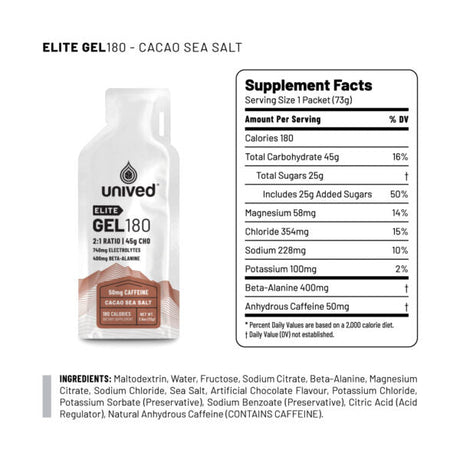
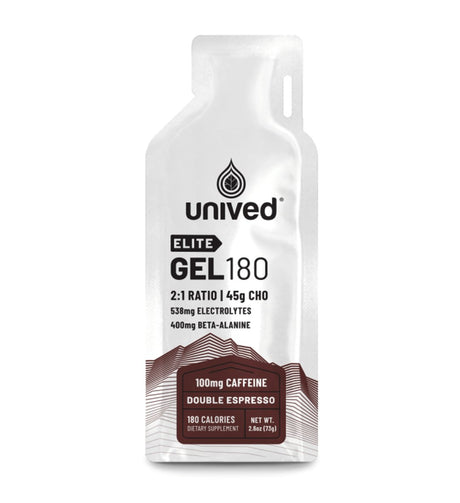
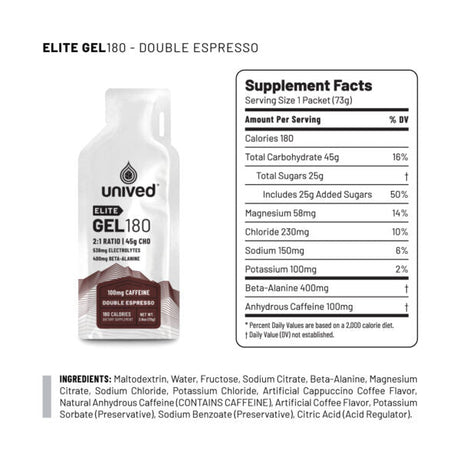
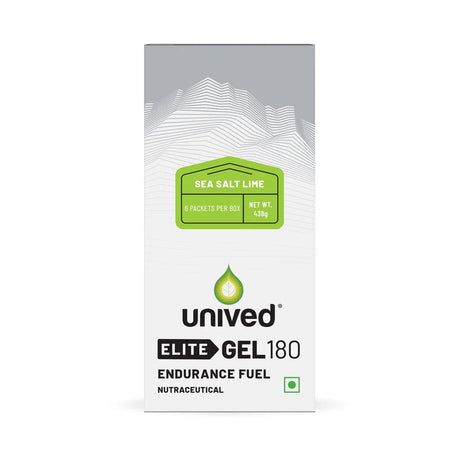
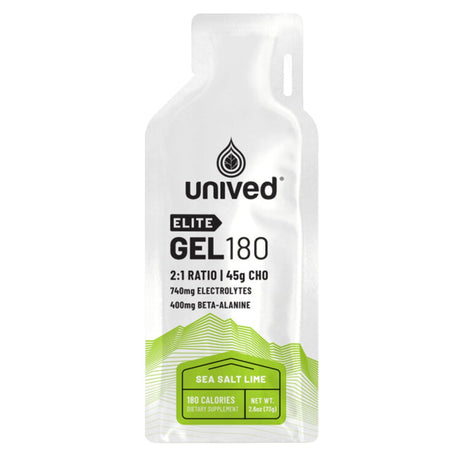
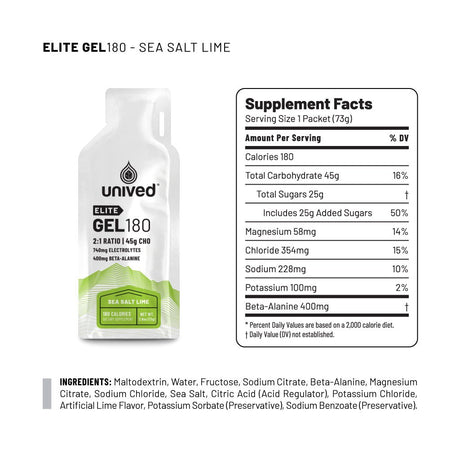
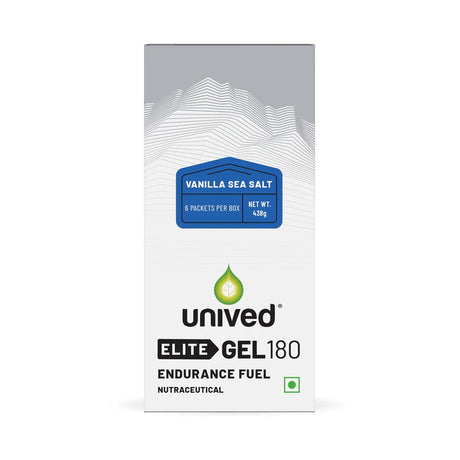
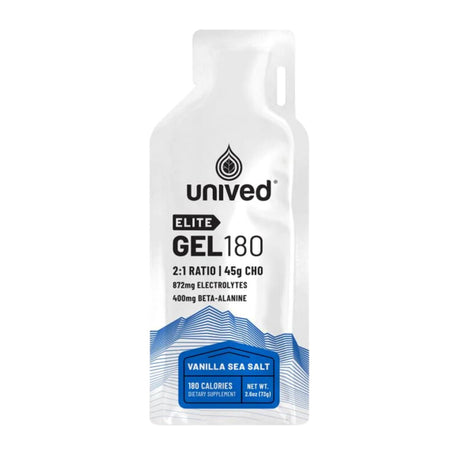
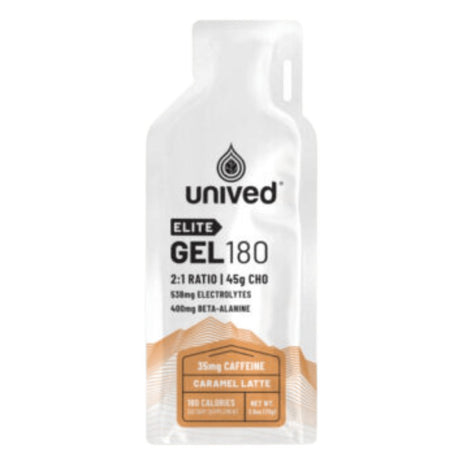
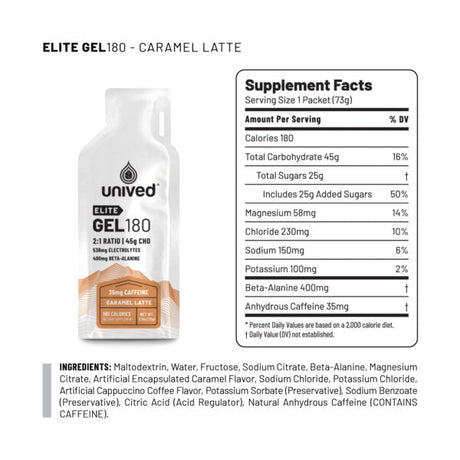
- Gels for the top-ups. The Unived Elite Gel 180 at ₹900 a box of six uses a 2:1 simple to complex carbohydrate blend. The Unived Gel 100 at ₹625 to ₹675 a box is the lighter, faster-acting option and comes in caffeinated flavours.
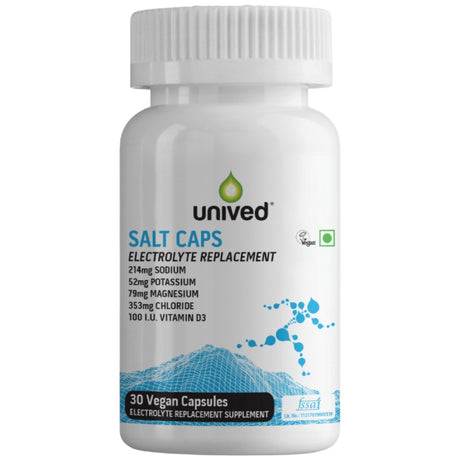
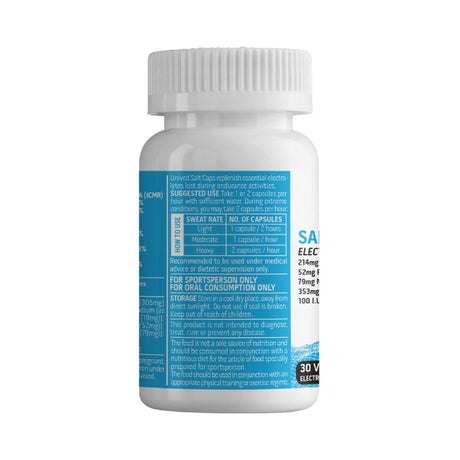
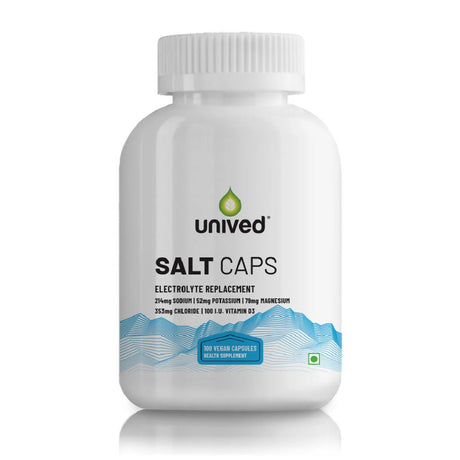
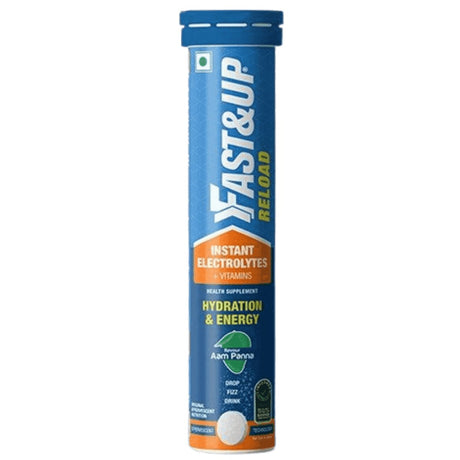
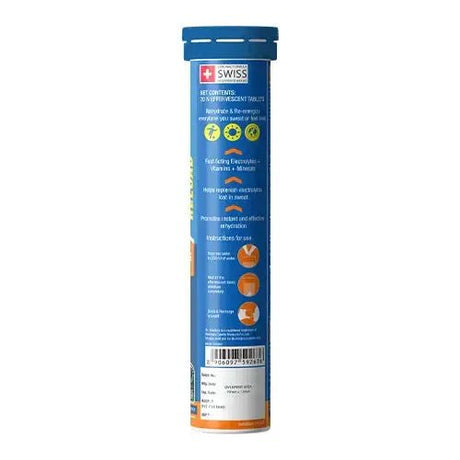
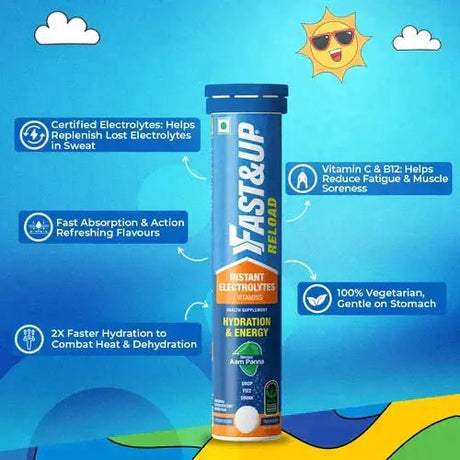
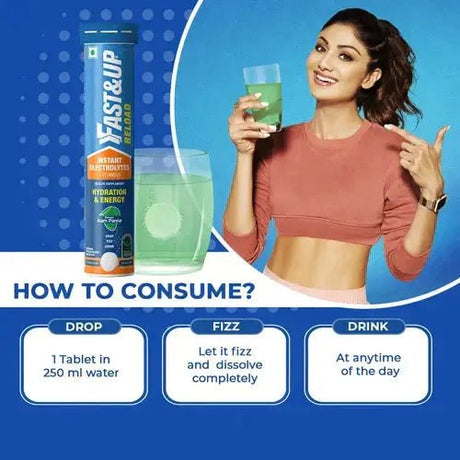
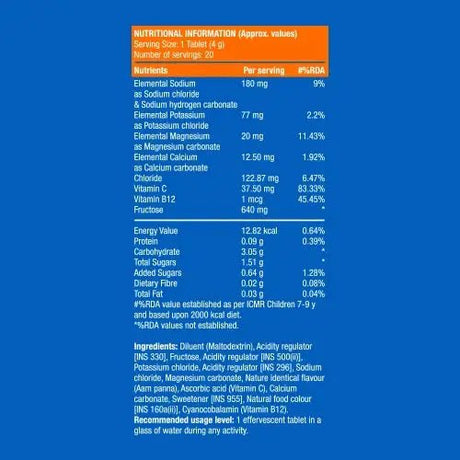
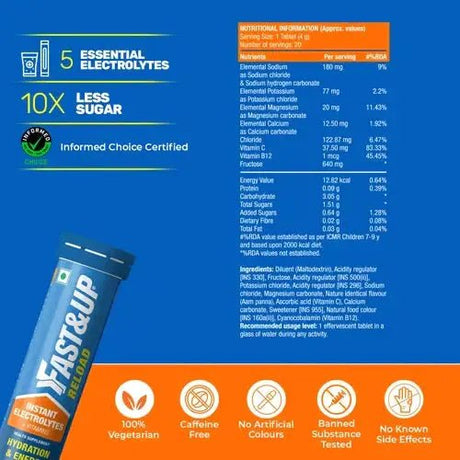
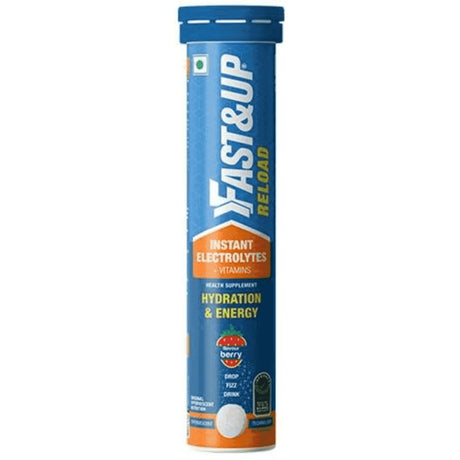
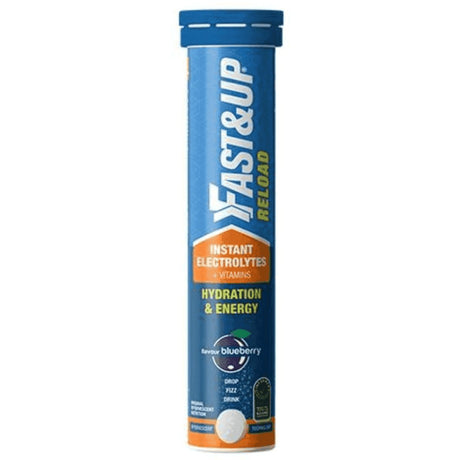
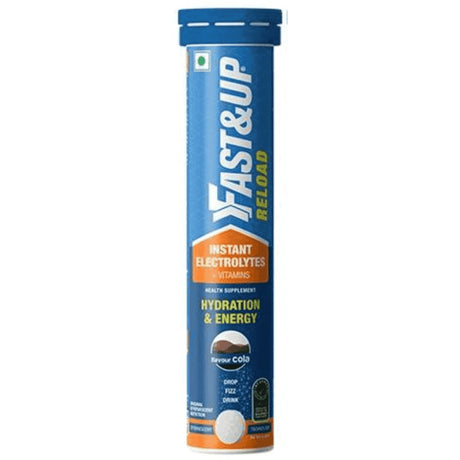
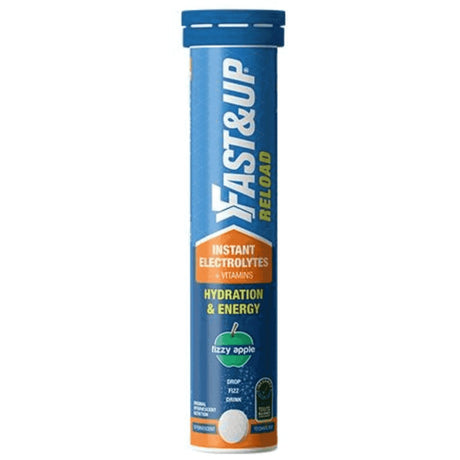
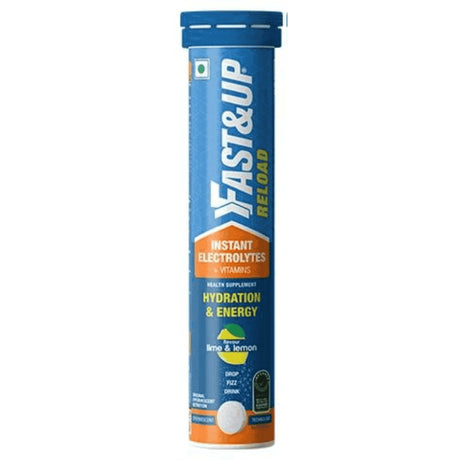
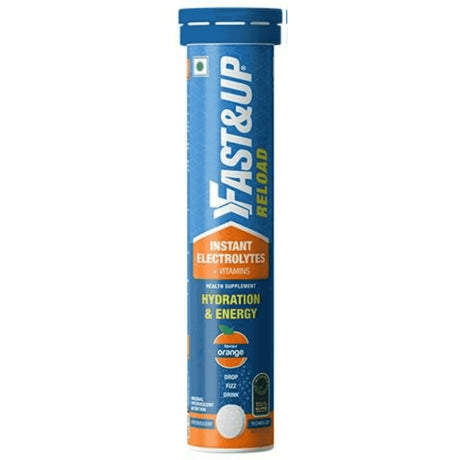
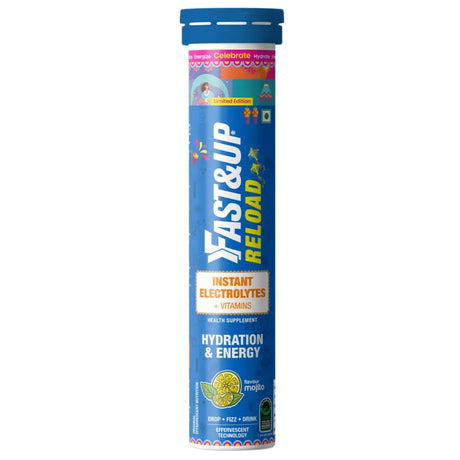
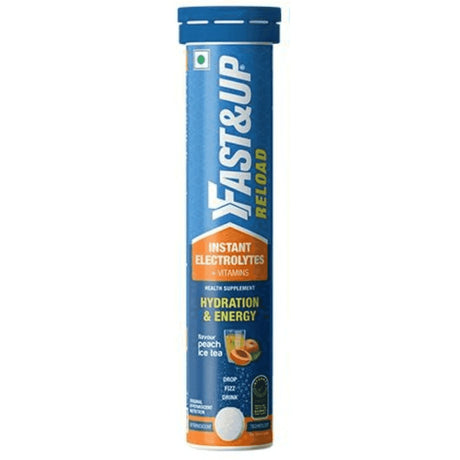
- Electrolytes, because in this climate you are losing a great deal of sodium and cramping is its own way to end a ride. Fast&Up Reload at around ₹265 to ₹295 a tube of twenty is the straightforward option, and it is the one thing on this list that a kitchen does not replace easily.
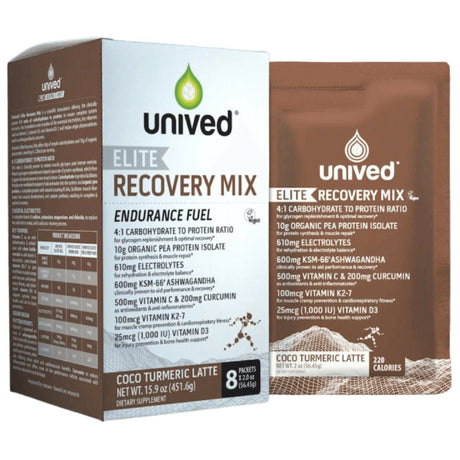
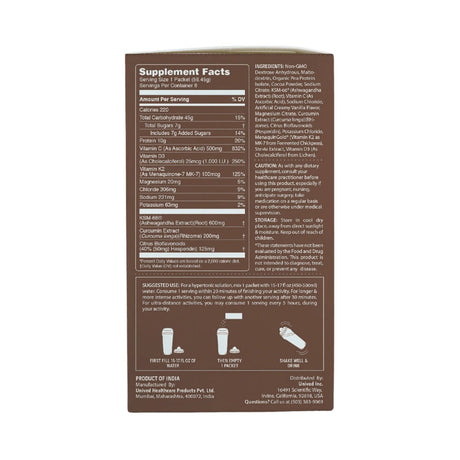
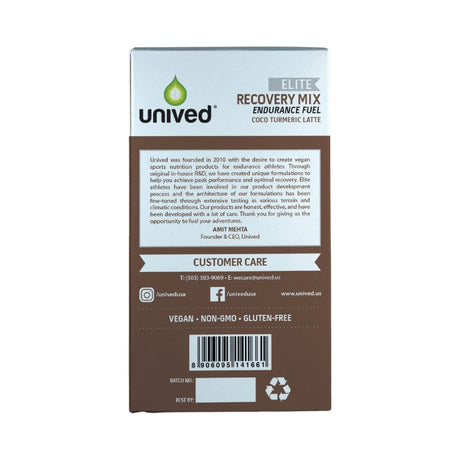
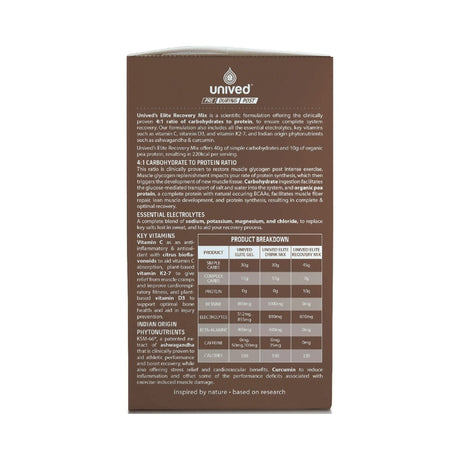
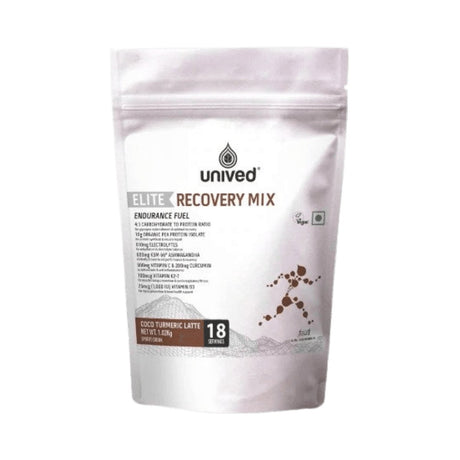
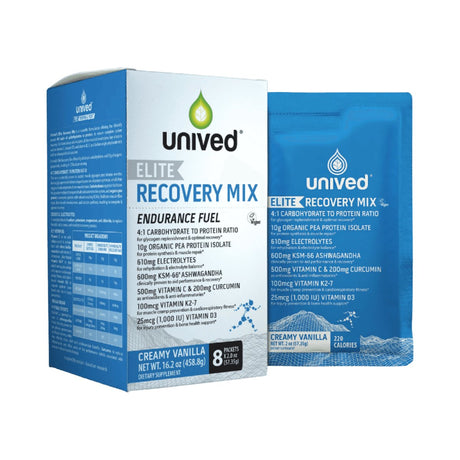
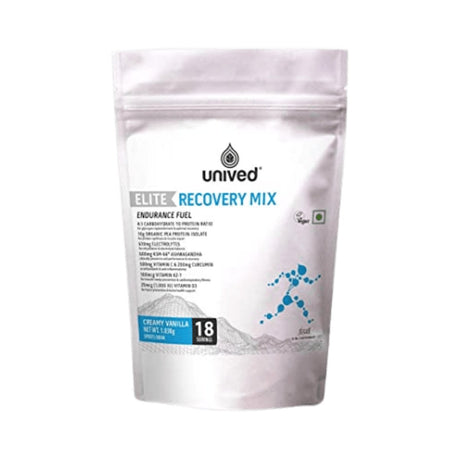
- Something for afterwards. The Elite Recovery Mix at ₹1,100 for a box of eight uses a 4:1 carbohydrate to protein ratio. A plate of rice and dal does much the same job if you are going to eat within the hour.
A sensible default for most riders: real food for anything under two hours, drink mix in the bottle plus real food in the pockets for two to four hours, and engineered nutrition throughout for events and hard efforts.
One warning worth taking seriously whichever route you take: do not test new nutrition on an important ride. Gut tolerance is individual and partly trainable, and the day of a long event is the worst possible time to discover that a particular gel, or four dates, does not agree with you. Try everything on ordinary training rides first.
Prices are indicative and move with exchange rates and duty.
FAQs
If I have bonked already, what is the fastest way out of it?
Stop, sit down and take simple fast-acting carbohydrate with water, then accept that you are waiting fifteen to twenty minutes before you feel meaningfully better. Riding on while you wait makes the wait longer, because blood going to your legs is blood not going to your gut. Once you can think clearly again, ride home gently rather than trying to salvage the session, and keep eating on the way because you are still deeply in deficit. The honest answer is that there is no fast way out, which is exactly why the schedule matters more than the rescue.
Can I train my body to need less fuel?
Partly, and less than the internet suggests. Endurance training does improve how well you use fat at a given pace, which genuinely spares glycogen at easy and moderate efforts. What it does not do is remove the carbohydrate requirement for hard riding, because fat cannot be mobilised quickly enough to support high power however well adapted you are. What is more usefully trainable is your gut: regularly taking carbohydrate while riding does increase how much you can absorb per hour, which is why riders working toward long events practise fuelling deliberately rather than only on race day.
Is it a problem to ride fasted on purpose?
For a short, genuinely easy ride it is fine and some riders prefer it. For anything long or hard it puts you at the start line already short on liver glycogen, which is the store that protects your thinking rather than your legs, so the risk is not just a slow ride but poor judgement in traffic. If you do ride fasted, keep it under about an hour, keep the effort conversational, and carry something anyway. And if the reason for riding fasted is to lose weight rather than to train, that is a conversation worth having with a professional rather than a strategy to pick up from a forum.
Why do gels sometimes make me feel sick?
Usually concentration. A gel taken without water sits in your stomach as a very concentrated solution, and your body pulls water into the gut to dilute it, which is what produces that heavy, sloshing, faintly nauseous feeling. Take gels with water, not with a carbohydrate drink, or you are stacking two concentrated sources on top of each other. The other common cause is taking too much at once, since exceeding the absorption ceiling leaves the surplus sitting there. Water-based gels are noticeably easier on the stomach than thick ones for this reason.
Does caffeine help, or is it just a placebo?
It genuinely helps, though not by providing energy. Caffeine reduces your perception of how hard the effort feels, which means you can hold a given pace with less sense of struggle, and it improves alertness, which matters on a long ride in traffic. It does nothing whatsoever about an empty tank, so a caffeinated gel taken instead of fuel just makes you feel briefly better about a problem that is still getting worse. Use it as a top-up on an already fuelled ride, take it late rather than early, and be aware that if you drink coffee all day the effect is smaller.
Working out your own numbers
Absorption ceilings and glycogen stores are general figures. Your own burn rate depends on your weight, your fitness and how hard you actually ride, and the only way to know it is to pay attention over several rides.
Start with the schedule above, note where you feel the ride turn, and adjust from there. Most riders who think they have a fitness problem at the two hour mark have a fuelling problem instead.
Ask TBA Guide with your typical ride length and pace, and we will suggest a starting point for how much to carry.