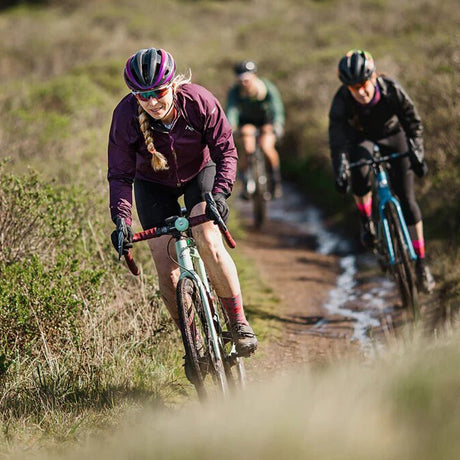
Short answer: get a bike fit first, then better tyres, then a saddle only if you still hurt, then clipless pedals and shoes, and wheels last. That order puts your money where you will feel it most for the least spend, and it saves the expensive upgrade until you know enough about your riding to choose it well. Leave the groupset and lightweight bits alone for now. They are the upgrades people want and the ones that change least.
A new road bike is rarely perfect out of the box. Manufacturers build to a price, and the places they save are predictable: tyres, saddle, pedals and wheels. The trick is knowing which of those to change first, because the order matters as much as the parts.
- First: a bike fit
- Second: tyres
- Third: a saddle, but only if you need one
- Fourth: clipless pedals and shoes
- Fifth: wheels
- What not to upgrade yet
- FAQ
- Narrowing it down
First: a bike fit
This is not a part, which is exactly why people skip it, and it is the single upgrade that improves everything else on the bike.
A fit sets your saddle height, saddle position, reach and bar height to your body. Get those right and a lot of the problems people try to solve by buying things simply disappear: numb hands, a sore lower back, knee pain, a saddle that feels wrong. Buy a new saddle before a fit and there is a fair chance you are replacing a saddle that was only uncomfortable because it was in the wrong place.
It also makes every later purchase better targeted. Once your position is set, you know whether you actually need a different stem, a narrower bar or a new saddle, rather than guessing.
We do fits at the Kondapur store. Details are on our bike fit page, and our guide to the signs your position is wrong is a good place to start.
Second: tyres

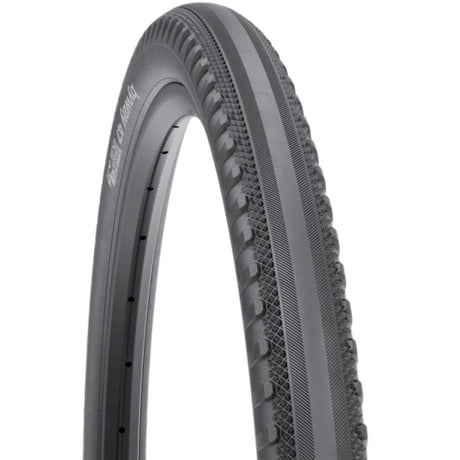
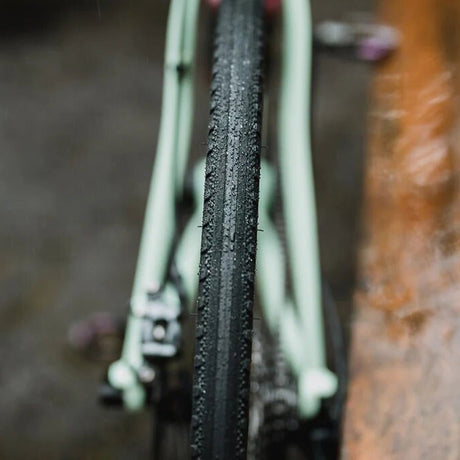
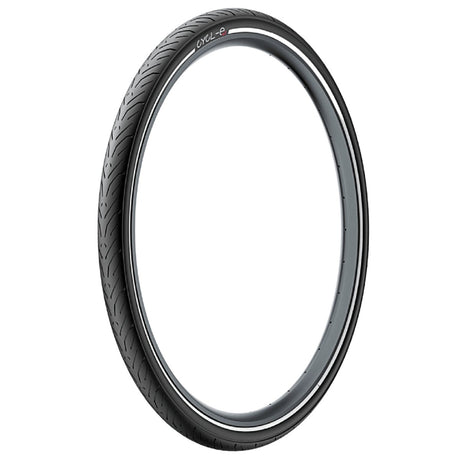
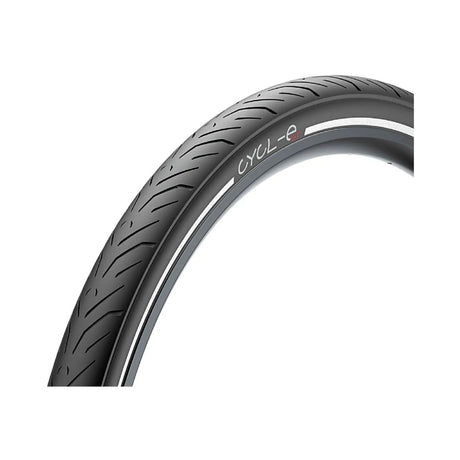
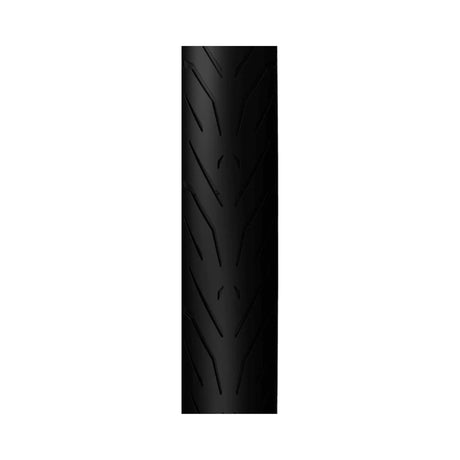
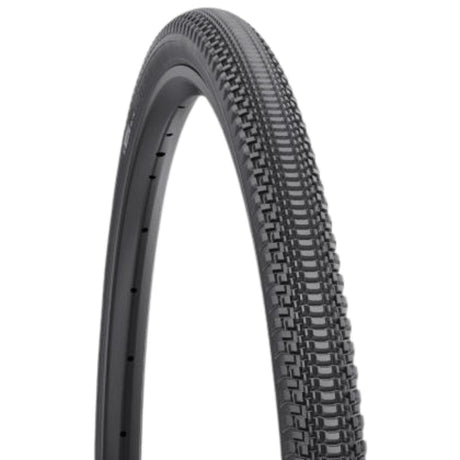
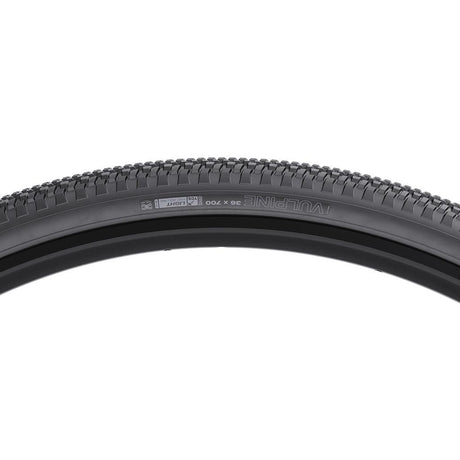
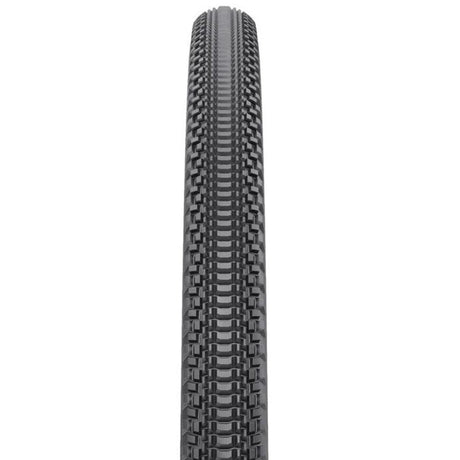
Tyres are where most new bikes save money, and they are the cheapest way to make a bike feel faster and more comfortable at the same time. A good tyre rolls with less resistance, grips better in corners and in the wet, and resists punctures, and you feel all of it from the first ride.
Two things to change if your bike came on basic rubber:
- Go wider if your frame allows. A 30mm tyre at sensible pressure is more comfortable than a 25mm one on Indian roads and is not slower. The Vittoria Zaffiro Evo 30mm at ₹3,500 is an inexpensive step up.
- Consider tubeless. Tubeless tyres self-seal most small punctures and run happily at lower pressure. The Vittoria Corsa N.ext is the fast option and the Vittoria RideArmor the tougher one, both at ₹7,000. Our tubeless guide covers the setup.
Then run the right pressure, which most people get wrong in the direction of too hard. Our guide to tyre pressure explains why the number on the sidewall is a maximum, not a target.
Third: a saddle, but only if you need one

Notice the condition. If your saddle is comfortable after a proper fit, leave it alone. Saddles are the most personal part of a bike, and the one that came on it may well suit you.
If it still hurts after the fit, change it, and keep two things in mind.
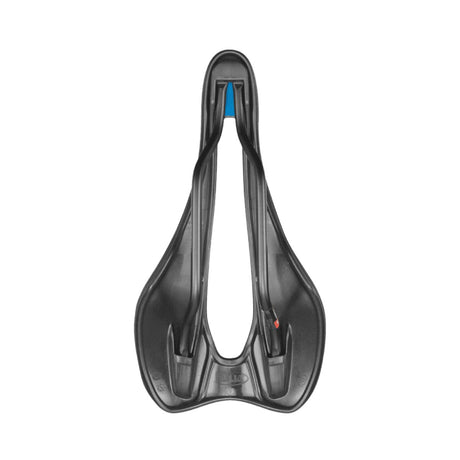
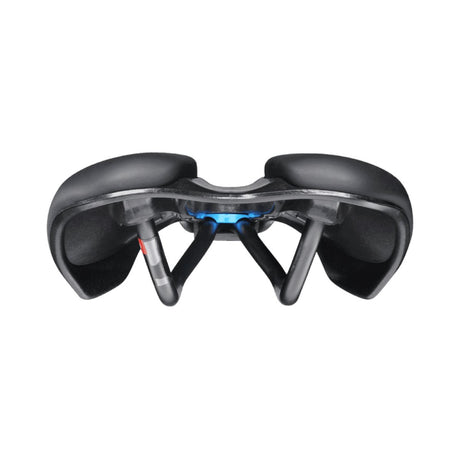
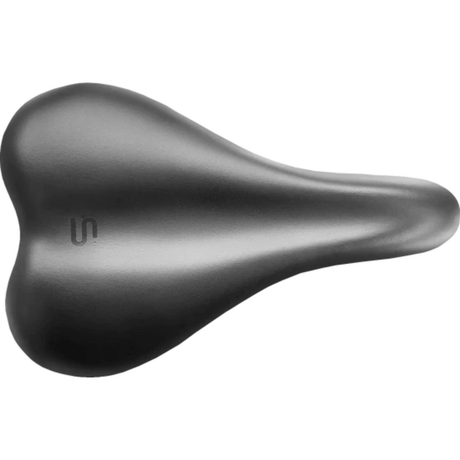
- Shape matters more than padding. A thickly padded saddle feels lovely in a shop and often feels worse after two hours, because soft padding presses into soft tissue as it compresses. Most comfortable long-distance saddles are firmer than people expect.
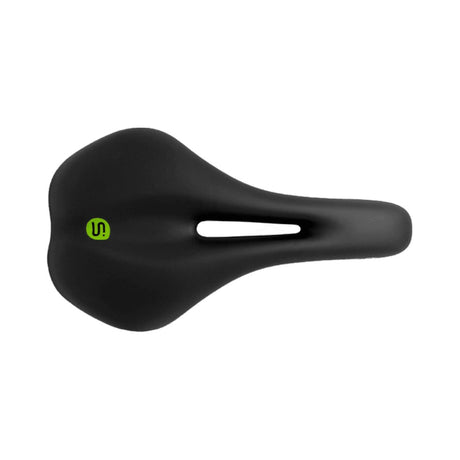
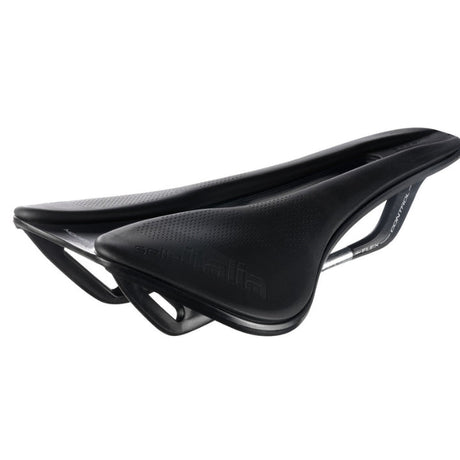
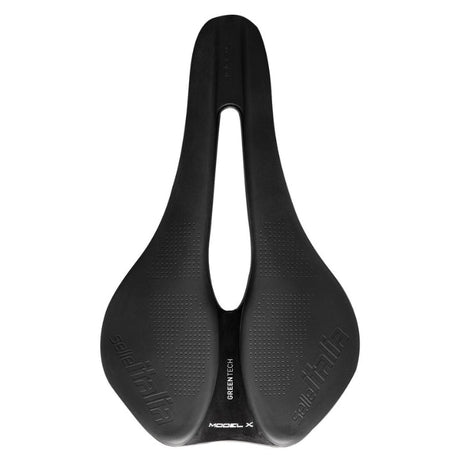
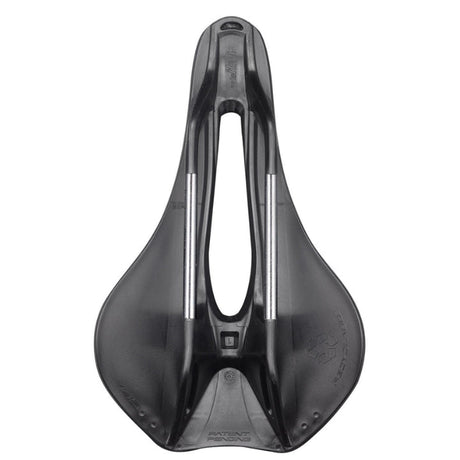
- Short-nose and cutout designs relieve pressure at the front, which suits many riders in a lower road position.
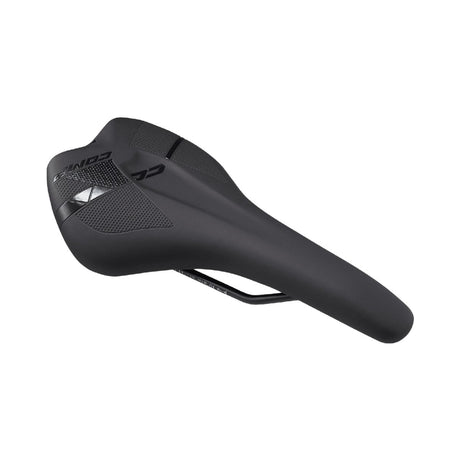
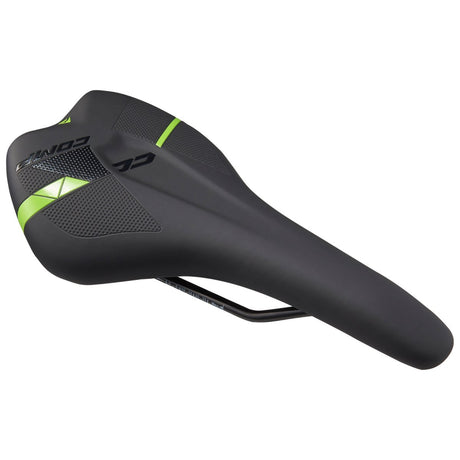
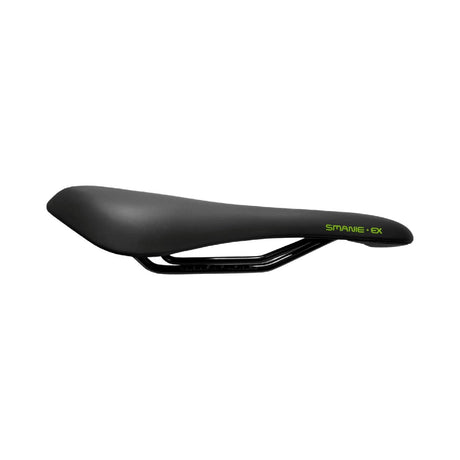
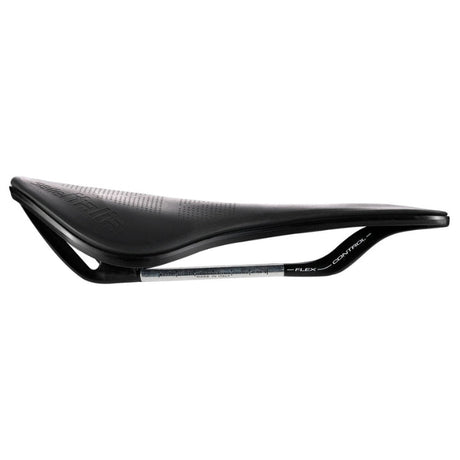
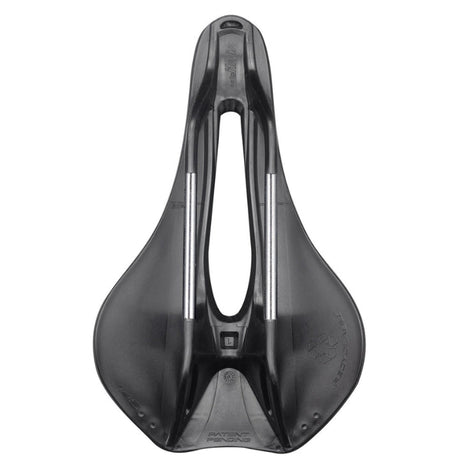
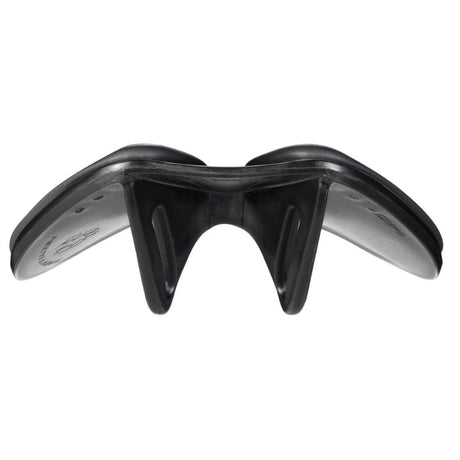
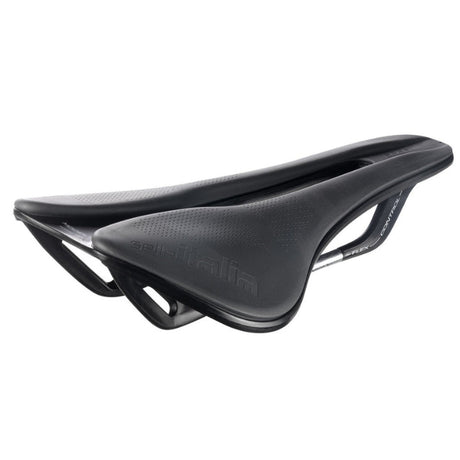
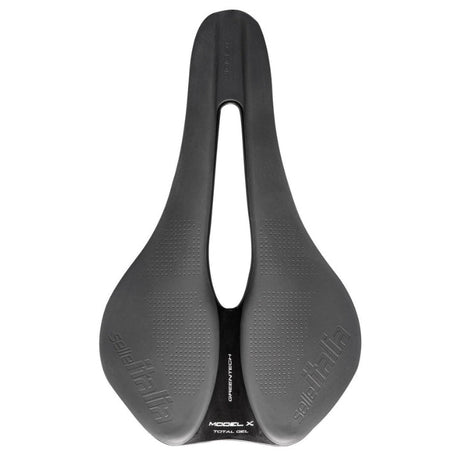
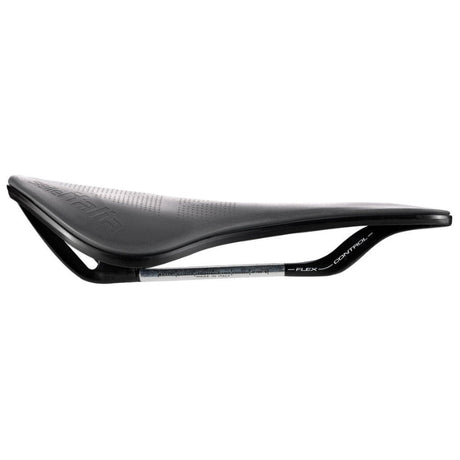
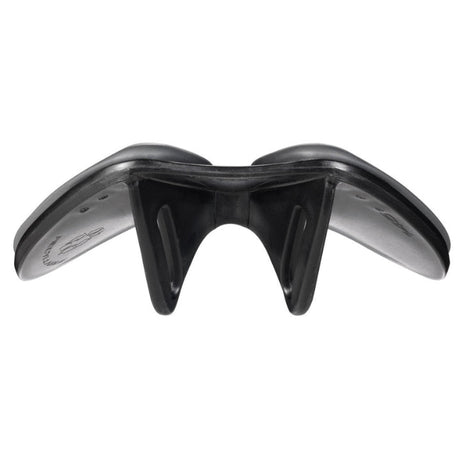
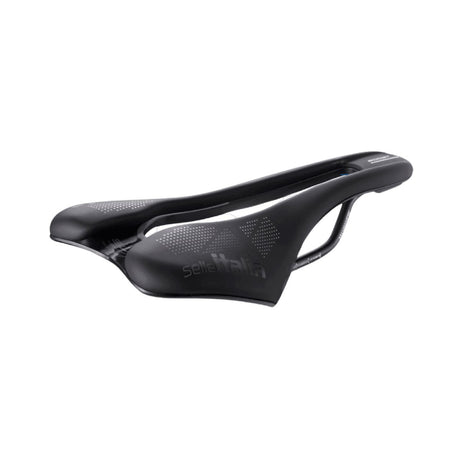
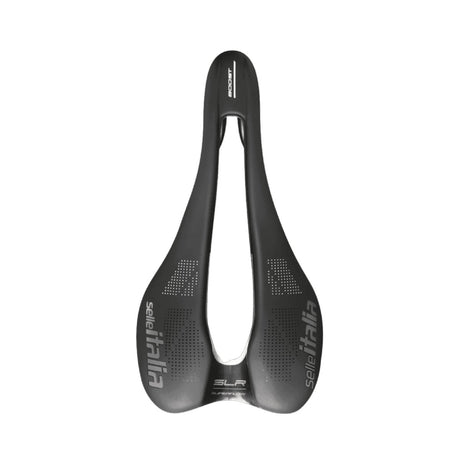
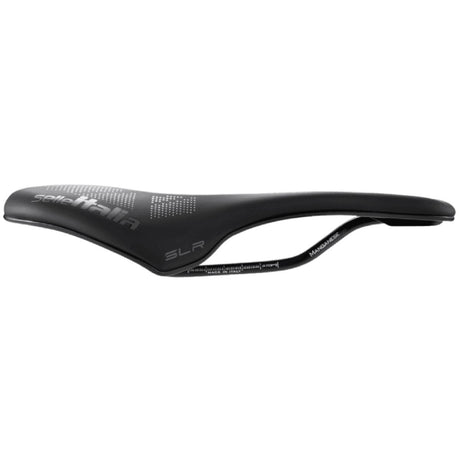
Good starting points: the Selle San Marco Shortfit 2.0 at ₹6,090, the Selle San Marco Aspide Short Dynamic at ₹9,185, the SMP VT20C at ₹12,500 and the Selle Italia SLR Boost TM at ₹14,490.
Whatever you choose, give a new saddle a few weeks. Your body takes time to adjust, and a saddle that feels odd on the first ride is often the right one by the fifth.
Fourth: clipless pedals and shoes

Most road bikes come with basic flat pedals or none at all. Clipless pedals and shoes lock your foot in the right position on the pedal, stop it sliding about, and let you work through the whole pedal stroke. The difference in control and efficiency is immediate.
The decision to make first is the cleat system, road or two-bolt SPD, because it depends on whether you walk much on your rides. Our cycling shoes guide works through it. For road pedals, the Shimano Tiagra PD-R550 at ₹7,420 is a reliable place to start, and the Look X-Track at ₹4,999 is the two-bolt option if you want to walk easily.
Expect a fall or two while you learn to unclip, almost always at a standstill. Practise in a quiet lane before your first group ride.
Fifth: wheels

Wheels are the biggest single performance upgrade on most road bikes, and that is exactly why they come last rather than first.
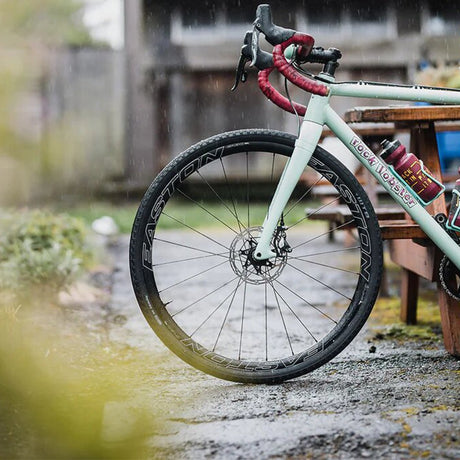
They are expensive, and the right choice depends on things you only learn by riding: how fast you actually go, how much you climb, how rough your roads are, and whether crosswind on open highway bothers you. Buy deep carbon wheels in your first month and there is a real chance they are the wrong depth for the riding you end up doing. Buy them in your first year and you will choose well.
A sensible ladder, all disc brake:
| Budget | Wheelset | What it is |
|---|---|---|
| ₹39,000 | Gist CL Road | A lighter alloy upgrade over stock wheels |
| ₹50,000 | DT Swiss PR1400 Dicut | A premium tubeless alloy wheel |
| ₹70,999 | Elite Marvel 50D | 50mm carbon, the step into aero wheels |
| ₹1,19,990 | Vision TC 60 | 60mm carbon for fast, flat riding |
Before buying, check your bike's axle and brake standard so the wheels fit. Our wheel and hub compatibility guide explains what to look for.
What not to upgrade yet
These are the upgrades people most want and the ones that change the ride least for the money.
- The groupset. The difference between one Shimano tier and the next is real but small, much smaller than the difference good tyres or a fit make. Upgrade the groupset when the current one wears out, not before.
- Lightweight carbon bars, seatposts and stems. Expensive, and the weight saved is a few hundred grams at most. That is less than a full water bottle.
- Anything bought only because it is lighter. Weight matters on long climbs and very little anywhere else. Comfort, fit and rolling resistance matter everywhere.
Prices are indicative and move with exchange rates and import duty.
FAQ
Is it worth upgrading an entry-level road bike, or should I save for a better one?
Upgrade the parts that move with you, and save for the rest: a bike fit, a saddle, pedals and shoes all carry over to your next bike, so they are never wasted, while wheels and groupsets on an entry frame often cost a large share of what a better complete bike would. A useful rule is to be wary of spending more than about a third of the bike's value upgrading it. Past that point, a better bike is usually the better buy.
Will lighter components make me noticeably faster?
Rarely by much: weight mainly matters on long climbs, and even there a few hundred grams saved on a bar or seatpost makes a very small difference next to the combined weight of you and the bike. On flat and rolling roads, rolling resistance and aerodynamics matter far more than weight. Better tyres and a more efficient position will make you faster for less money than almost any weight-saving part.
Should I upgrade my groupset early on?
No, not as an early upgrade: modern Shimano groupsets from Tiagra upwards all shift well, and the gain from moving up a tier is small compared with what tyres, a fit or wheels deliver for the same money. Upgrading also often means replacing several parts at once, which makes it expensive. The sensible time to change a groupset is when the current one has worn out, when you can move up a tier at the same time as you would have been replacing parts anyway.
Can I move my upgrades to my next bike?
Most of them, yes: your fit measurements, saddle, pedals, shoes and bike computer all transfer directly, which is another reason to put your early money into them. Wheels can move too, provided the next bike uses the same axle and brake standard, so check that before assuming. Tyres wear out, so they do not really carry over, and the groupset usually stays with the frame. Buying the contact points well is money that follows you from bike to bike.
Is a power meter a good early upgrade?
Not for most new riders: a power meter is a training tool, and it only pays off if you follow structured workouts and use the numbers. For most people in their first year, a heart rate strap and a bike computer give plenty of feedback for far less money. If you are coached, preparing for events or already training to a plan, a power meter makes sense, but it belongs after the fit, the contact points and good tyres, not before them.
Narrowing it down
Not sure which of these your bike needs first? Ask TBA Guide with your bike's make and model and what you are finding uncomfortable, and we will tell you where to start.