Short answer: a power meter measures the effort you put into the pedals in watts, which makes training and pacing far more precise than heart rate or speed. For most riders, pedal-based power meters are the easiest choice, because they move between bikes in minutes: the Magene P715 at ₹45,900 is the best value dual-sided option. Crank and spider power meters suit riders replacing a crankset anyway. Choose dual-sided if you want left and right balance, and single-sided if budget matters more.
Power is the most useful number in cycling. Speed changes with wind and gradient, and heart rate lags behind your effort and drifts in Indian heat, but watts tell you exactly how hard you are working, second by second. This guide explains the types of power meter, single versus dual-sided measurement, what has to be compatible with your bike, and how the power meters we stock compare.
- What a power meter does for you
- Pedal, crank or spider
- Single or dual-sided
- The power meters we stock
- Will it fit your bike?
- Getting accurate numbers
- FAQ
- Getting help
What a power meter does for you
- Training zones that stay true. Once you know your FTP, every interval can be set in watts. Our first FTP test guide explains how to find it.
- Pacing. On a long climb, a time trial or the bike leg of a triathlon, holding a steady wattage stops you going out too hard.
- Honest progress. The same effort at a higher wattage means you are fitter, whatever the wind did that day.
- Outdoor and indoor training that match. A smart trainer measures power indoors, but only a power meter gives you the same numbers on the road.
Heart rate is still worth tracking alongside power, because it shows how your body is responding to the effort. Our heart rate monitor guide covers that side.
Pedal, crank or spider
| Type | Where it measures | Good at | Watch out for |
|---|---|---|---|
| Pedal | Inside the pedal axle | Moving between bikes in minutes, no bottom bracket or crank compatibility to worry about | Locks you into one cleat system, such as Look Keo, Shimano SPD-SL or Speedplay |
| Crank or axle | Inside the crank arm or crank axle | Protected electronics, use any pedals you like | Must match your bottom bracket, chainrings and crank length |
| Spider | Between the crank arm and the chainrings | Measures total power from both legs, very consistent | Comes as a complete crankset, so it must suit your drivetrain |
There is no accuracy winner by type. A good power meter of any type is accurate to within about 1 to 2%. Choose by convenience and compatibility.
Single or dual-sided
- Single-sided power meters measure your left leg and double it. They are cheaper and accurate for tracking your own progress, but if your legs are not evenly matched, the total will be off by your imbalance. Most riders have a small imbalance, and it can change when you are tired.
- Dual-sided power meters measure each leg separately, so they give a true total and show your left and right balance. This matters for riders coming back from injury, and for anyone who wants the most precise numbers.
- Spider power meters measure both legs together, so the total is true, but left and right balance is estimated.
The power meters we stock

| Power meter | Type | Measures | Fits | Price |
|---|---|---|---|---|
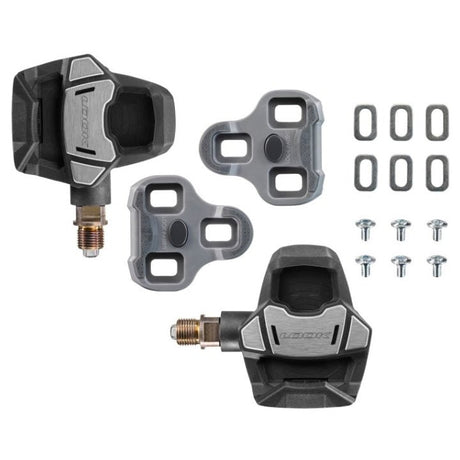
| Magene P715 | Pedal | Dual-sided | Look Keo or Shimano SPD-SL cleats | ₹45,900 |
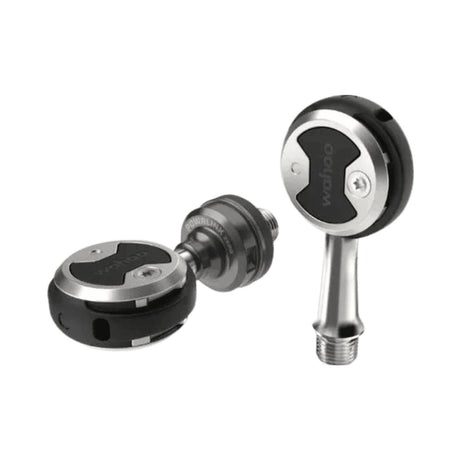
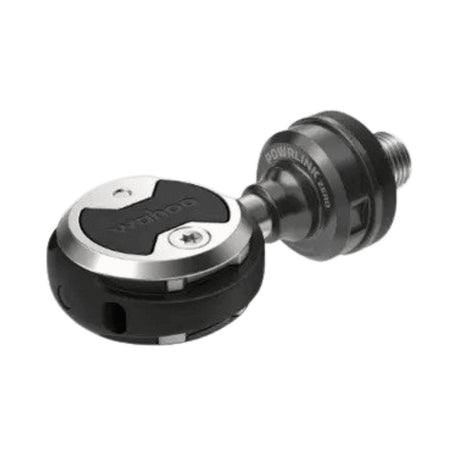
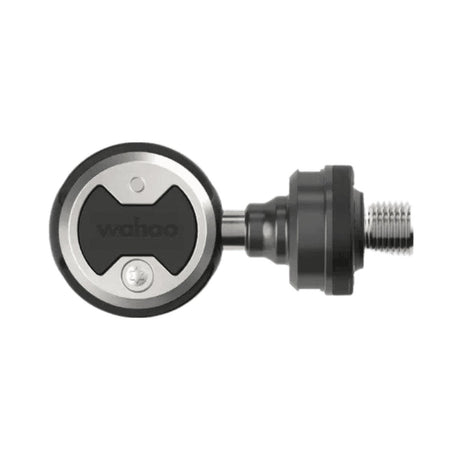
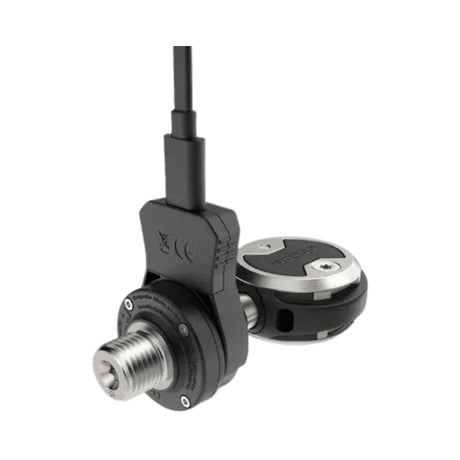
| Wahoo Powrlink Zero | Pedal | Single-sided | Speedplay cleats | ₹60,900 |
| Rotor INpower Direct Mount | Crank axle | Left leg | 30mm axle bottom brackets, Rotor Direct Mount chainrings, 170mm | ₹62,600 |
| Rotor Vegast24 INspider AXS | Spider | Both legs combined | SRAM AXS 2x12, 24mm axle, 48/35T, 170mm | ₹77,000 |
| Rotor 2INpower Direct Mount | Crank | Dual-sided | 30mm axle bottom brackets, Rotor Direct Mount chainrings, 165mm | ₹79,999 |
| Wahoo Speedplay Power Dual | Pedal | Dual-sided | Speedplay cleats | ₹81,000 |
| Rotor INspider Vegast Aero | Spider | Both legs combined | Road 2-speed, 50/34T, 170mm | ₹90,999 |
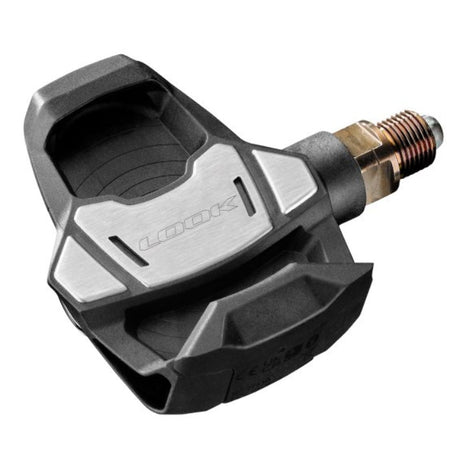
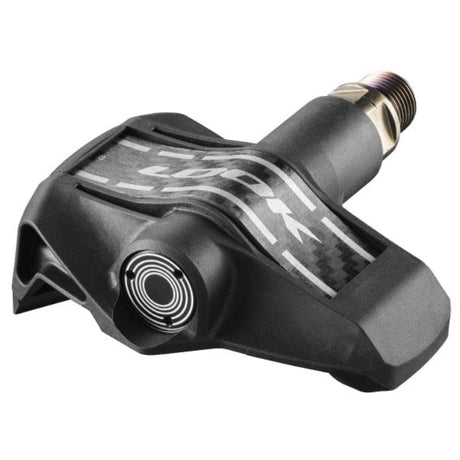
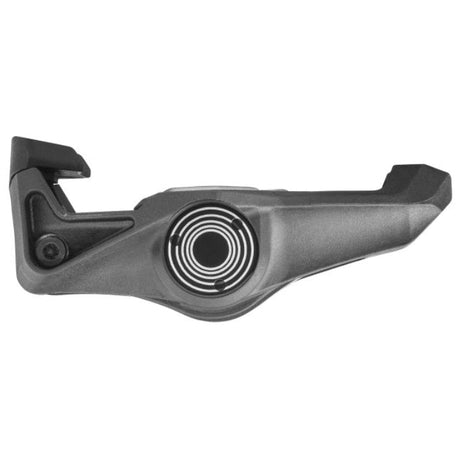
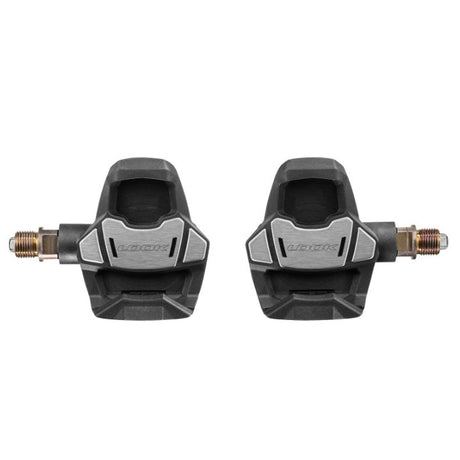
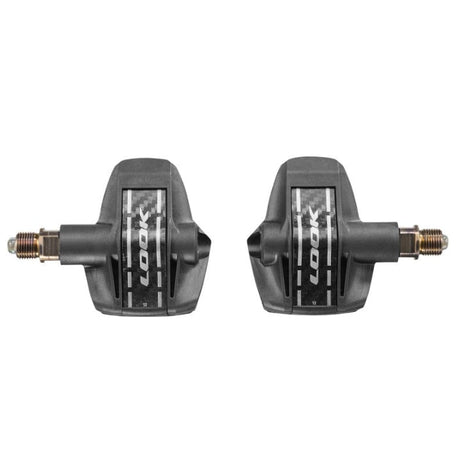
| Look Keo Blade Power Dual | Pedal | Dual-sided | Look Keo cleats | ₹94,599 |
Prices are indicative and move with exchange rates and import duty. See all power meters.
- Best value: the Magene P715 gives true dual-sided power for less than most single-sided options, in both Look Keo and SPD-SL versions, with a rechargeable battery.
- For Speedplay riders: the Wahoo Powrlink Zero is the single-sided entry, and the Speedplay Power Dual adds left and right measurement.
- Premium pedals: the Look Keo Blade Power Dual is light, carbon-bodied and rated IPX7 against water and dust, with a stack height and Q factor that match standard Keo pedals, so your fit does not change.
- Crank-based: the Rotor 2INpower gives independent left and right data and Rotor's pedalling metrics, and leaves you free to use any pedals.
- Spider-based: the Rotor INspider options come as complete cranksets, a good fit if you are replacing your chainset anyway.
Will it fit your bike?
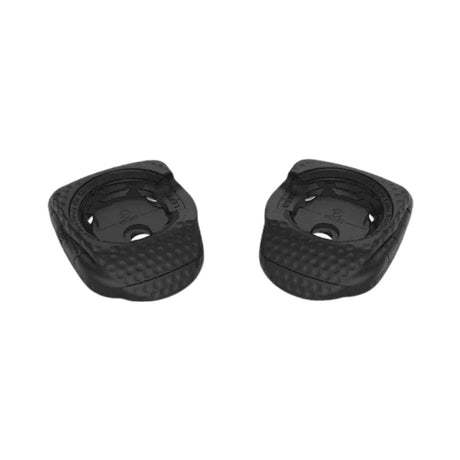
- Pedals fit almost any road crank, since the pedal thread is standard. The question is the cleat: you need shoes set up for Look Keo, SPD-SL or Speedplay to match. Our pedal and cleat compatibility guide explains the systems.
- Crank and axle power meters must suit your bottom bracket. Rotor's road cranks use a 30mm axle, which needs a compatible bottom bracket or adapter. Our bottom bracket standards guide lists what fits.
- Crank length should match what you ride now. Our crank length guide covers how to check.
- Drivetrain: the Vegast24 INspider AXS is designed for SRAM AXS 2x12 road groups, so check your groupset before choosing a spider crankset.
- Head units: all of these send data over ANT+ and Bluetooth, so they pair with Garmin, Wahoo and Magene computers, sports watches and training apps. Our guide to choosing a bike computer covers the display side.
Getting accurate numbers
- Install to the correct torque. Pedals and cranks need to be tightened properly, or readings can drift.
- Zero offset before rides. Unclip, let the cranks hang still, and run the calibration or zero offset from your bike computer. It takes a few seconds and corrects for temperature changes.
- Keep the firmware updated through the maker's app.
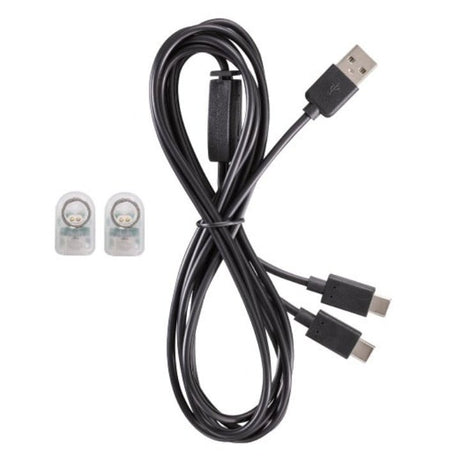
- Keep it charged. Rechargeable power meters last from about 60 to 250 hours per charge depending on the model, and the Rotor INpower runs about 300 hours on an AA battery.
- Compare carefully. A power meter and a smart trainer will rarely agree exactly, because they measure at different points. Pick one as your reference and stay with it.
FAQ
Do I need a power meter if I have a smart trainer?
Not for indoor training, because a smart trainer already measures your power and controls the resistance, but you do need a power meter if you want the same numbers outdoors for pacing climbs, time trials, triathlons and long rides, since a trainer only works when your bike is on it. Many riders start with a trainer. They add a power meter once they train outdoors to numbers.
Is a single-sided power meter accurate enough?
For most riders a single-sided power meter is accurate enough to train with, because it measures your left leg precisely and doubles it, so as long as you compare yourself with yourself your training zones and progress stay consistent, but the total can be a few percent out if your legs are unevenly matched. Dual-sided measures each leg. Choose it if you want true totals.
Can I move power meter pedals between bikes?
Yes, that is the main advantage of pedal-based power meters: they unscrew with a pedal wrench or hex key and fit any crank with the standard pedal thread, so moving them from your road bike to your trainer bike or a travel bike takes a few minutes, as long as both bikes use the same cleat system. Tighten them properly. Then zero offset before you ride.
How often should you calibrate a power meter?
Run a zero offset before every ride, or at least whenever the temperature changes noticeably, such as taking the bike from an air-conditioned room into the morning heat, because the strain gauges inside a power meter are sensitive to temperature, and a quick zero offset with the cranks hanging still keeps readings accurate. It takes a few seconds. You will find it in your bike computer's sensor settings.
Should I buy a power meter or a heart rate monitor first?
Buy a heart rate monitor first if you are new to structured training, because it costs a fraction of the price, teaches you how your body responds to effort and works for running too, then add a power meter once you train with intervals, race or ride time trials and want precise pacing that heart rate cannot give. The two work best together. Power shows effort, heart rate shows cost.
Getting help
Tell us your bike, your groupset and the pedals you use now, and we will tell you which power meter fits without surprises. Ask TBA Guide, and we will check it for you.