Short answer: FTP, or functional threshold power, is roughly the highest power you can hold for about an hour, and it is the number that sets your training zones. For a first test, use a ramp test on a smart trainer, which takes about 20 minutes and estimates FTP as 75% of your best one-minute power, or a 20-minute test, where FTP is 95% of your average power. Test rested, in cool conditions, with the same setup each time, and retest every six to eight weeks.
Training with power only works once you know your FTP, because every zone and workout is a percentage of it. Most riders put off the first test because it sounds painful and technical. It is neither, if you prepare well and pick the right protocol. This guide covers what FTP is, what you need, the three common tests, how to pace and prepare, and what to do with the number once you have it.
- What FTP is, and why it matters
- What you need
- Which test to do
- How to prepare
- Pacing the test
- Turning FTP into training zones
- Common first-test mistakes
- FAQ
- Getting set up
What FTP is, and why it matters
FTP is an estimate of the highest average power, in watts, that you can sustain for around an hour before fatigue forces you to slow. It sits close to the point where your body can no longer clear lactate as fast as it produces it, which is why efforts above it feel very different from efforts below it.
On its own the number does not matter much. What matters is what it lets you do:
- Set training zones, so easy rides are genuinely easy and hard intervals are hard enough to work.
- Follow structured workouts on apps like Zwift, where each interval is set as a percentage of FTP.
- Pace long efforts, such as a climb, a time trial or a triathlon bike leg, without blowing up.
- Measure progress, because a rising FTP over months is the clearest sign your training is working.
What you need
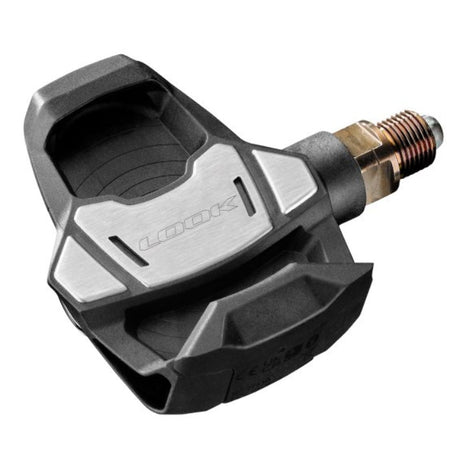
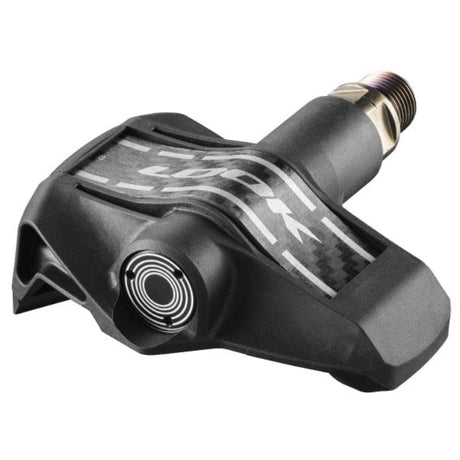
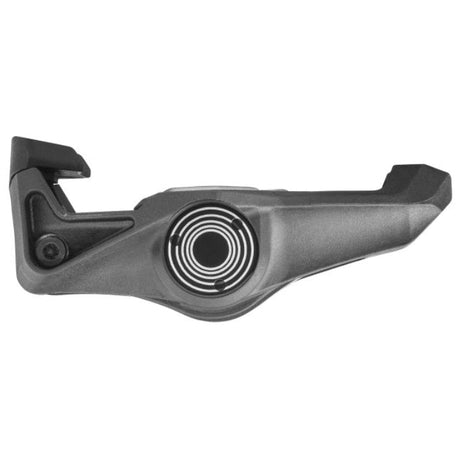
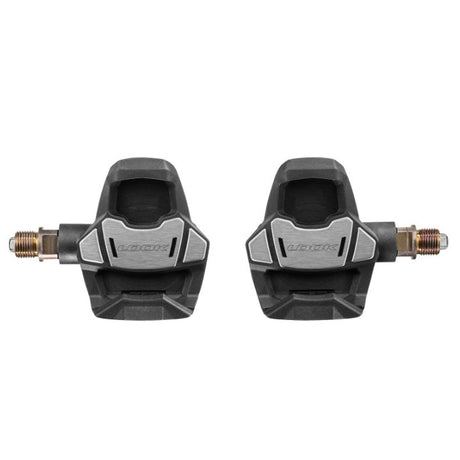
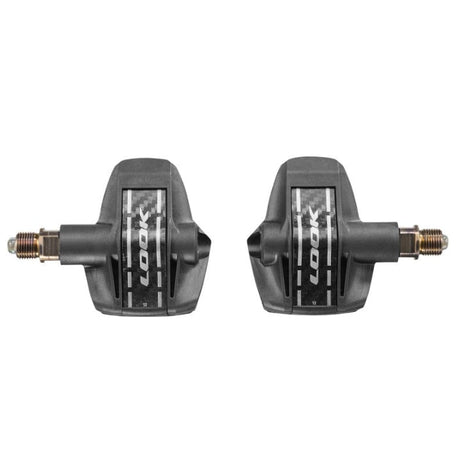
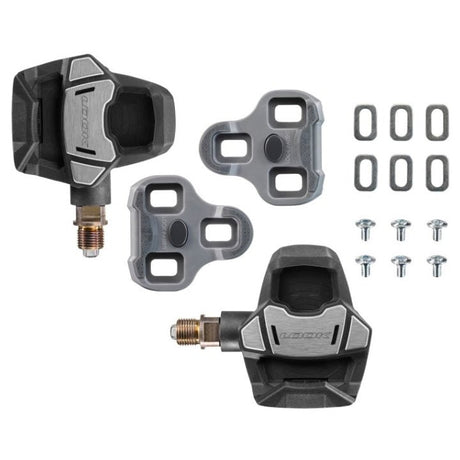
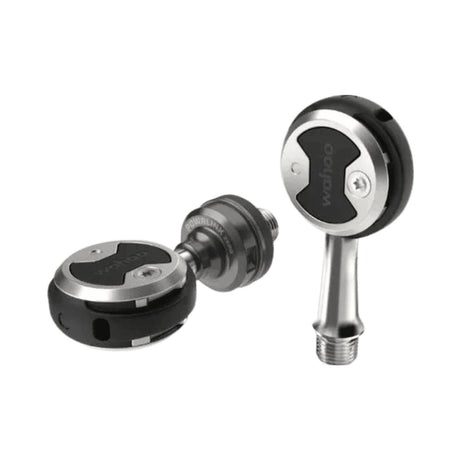
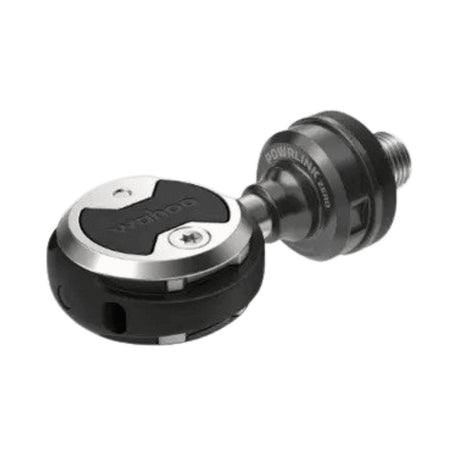
- A way to measure power. A smart trainer measures it for you, which makes indoor testing the easiest starting point. Outdoors, you need a power meter on the bike, such as the Magene P715 pedals at ₹51,900.
- An app or head unit to guide the test. Zwift, TrainerRoad and most bike computers have a built-in FTP test.
- A heart rate monitor. Not essential for the test itself, but recording heart rate alongside power tells you a lot about how hard you worked.
- A fan, for indoor tests. Without moving air you overheat long before your legs give out, and the result will be low.
Our guides to choosing an indoor trainer and setting up Zwift in India cover the equipment side in detail.
Which test to do
| Test | How it works | FTP estimate | Best for |
|---|---|---|---|
| Ramp test | Power rises in one-minute steps until you cannot continue. About 20 minutes including warm-up. | 75% of your best one-minute power | First tests, indoors, riders new to pacing |
| 20-minute test | A warm-up, then one all-out but evenly paced 20-minute effort. | 95% of your 20-minute average power | Riders with some pacing experience, indoors or outdoors |
| 8-minute test | Two 8-minute all-out efforts with full recovery between. | 90% of the average of the two efforts | Riders who find 20 minutes mentally too long |
For a first test, the ramp test is the easiest to get right. It needs no pacing judgement, because the trainer sets the power and you simply ride until you cannot hold it. Its weakness is that riders with a strong sprint can get an inflated result, since it leans on your best one-minute power.
The 20-minute test is closer to what FTP actually measures, but it relies on pacing. Start too hard and you fade; start too easy and you finish with energy left. Many riders do a ramp test first and use that result to pace a 20-minute test a few weeks later.
Whichever you choose, stick with it. Different protocols give slightly different numbers, so comparing a ramp result with a 20-minute result tells you less than comparing two tests of the same kind.
How to prepare
- Arrive rested. Take an easy day or a rest day before, and do not test after a hard week of training.
- Eat and drink normally. Have a meal two to three hours before, and keep a bottle within reach.
- Keep cool. In Hyderabad's heat, test indoors with a strong fan, or outdoors early in the morning. Heat can cost you a meaningful share of your power.
- Calibrate first. Zero-offset your power meter, or run the trainer's spin-down calibration if it needs one, after a 10-minute warm-up.
- Use the same setup every time. Same bike, same trainer or power meter, similar time of day and conditions, so future tests are comparable.
- Outdoors, pick a safe road. A steady climb or a long, flat stretch with no junctions, traffic lights or need to stop.
Pacing the test
For a ramp test, there is little to pace: ride each step at a comfortable cadence, stay seated, and keep going until you genuinely cannot hold the power. Most riders stop a step or two early the first time, so push one more minute than you think you can.
For a 20-minute test:
- Start controlled. The first five minutes should feel hard but manageable. If you have a ramp result, start at about your estimated FTP.
- Settle in the middle. Hold steady through minutes five to fifteen. This is where the test is won or lost.
- Empty the tank at the end. In the final three to five minutes, lift the effort and finish with nothing left.
- Keep cadence steady. A cadence you normally ride at, often 85 to 95rpm, works better than grinding a big gear.
An even effort beats a fast start every time. A test where power drops steadily from the first minute almost always underestimates FTP.
Turning FTP into training zones
Once you have your FTP, set these zones in your app or head unit. This is the widely used seven-zone model:
| Zone | Name | Percentage of FTP | Example for 200W FTP |
|---|---|---|---|
| 1 | Active recovery | Under 55% | Under 110W |
| 2 | Endurance | 56% to 75% | 112W to 150W |
| 3 | Tempo | 76% to 90% | 152W to 180W |
| 4 | Threshold | 91% to 105% | 182W to 210W |
| 5 | VO2 max | 106% to 120% | 212W to 240W |
| 6 | Anaerobic capacity | 121% to 150% | 242W to 300W |
| 7 | Neuromuscular | Maximal sprints | Short, all-out efforts |
Most of your riding should sit in zone 2, with a smaller amount of focused work in zones 4 and 5. Retest every six to eight weeks, or when workouts start to feel consistently too easy or too hard.
Comparing yourself to others is more useful in watts per kilogram than in watts. Divide your FTP by your body weight: a lighter rider with a lower FTP can climb as well as a heavier rider with a higher one.
Common first-test mistakes
- Testing tired. A result after a hard week sets your zones too low for weeks.
- No fan indoors. Overheating ends the test before your legs do.
- Starting a 20-minute test too hard. The commonest pacing error, and it always costs more than it gains.
- Switching protocols between tests. You end up comparing two different measurements.
- Forgetting to update zones. A new FTP only helps if your app and head unit use it.
- Testing too often. A test is a hard effort that costs training time. Every six to eight weeks is enough.
FAQ
What is a good FTP for a beginner?
There is no single good number, but many newer recreational riders test somewhere between about 2 and 3 watts per kilogram of body weight, so a 70kg rider might start between roughly 140W and 210W, and regular training commonly lifts that by a noticeable amount in the first year. Compare yourself with your own previous tests rather than with other riders. Age, sex, training history and body weight all shift what is typical, and the trend over time is what matters.
Can I estimate FTP without a power meter?
Not accurately, because FTP is a power measurement, but you can train by heart rate instead, using a 30-minute solo effort and taking your average heart rate over the final 20 minutes as an estimate of your lactate threshold heart rate. Heart rate zones built from that work well for most endurance training. They are slower to respond than power during short intervals and drift upward in heat and with fatigue, which matters in Hyderabad's climate.
Why is my FTP lower indoors than outdoors?
Many riders produce slightly less power indoors, mainly because of heat build-up without the cooling airflow of riding outdoors, and also because the bike is held still, which changes how you use your body, and because indoor trainers and outdoor power meters can read slightly differently. A strong fan closes much of the gap. Use your indoor FTP for indoor training and an outdoor test for outdoor zones if the difference is large.
Should I set my FTP from a race or a hard group ride?
It can be a useful check, because if you average close to or above your tested FTP for an hour in a race, your real FTP is probably higher than the test showed, but a race is not a controlled test, so drafting, stops and surges make the average unreliable as a direct setting. Many apps and head units also estimate FTP automatically from hard rides. Use those estimates as a prompt to retest, not as a replacement for a proper test.
How long does it take to improve FTP?
Most riders who train consistently, three or four times a week with some structured threshold and VO2 max work, see a measurable improvement within six to eight weeks, with the largest gains in the first year of structured training and slower progress after that. Consistency matters more than any single workout. Rest weeks, sleep and enough food are part of the process, because fitness builds during recovery, not during the session itself.
Getting set up
If you are choosing a smart trainer or power meter to start training with power, browse our indoor trainers and power meters, or ask TBA Guide what you need to test and train with power on your bike.