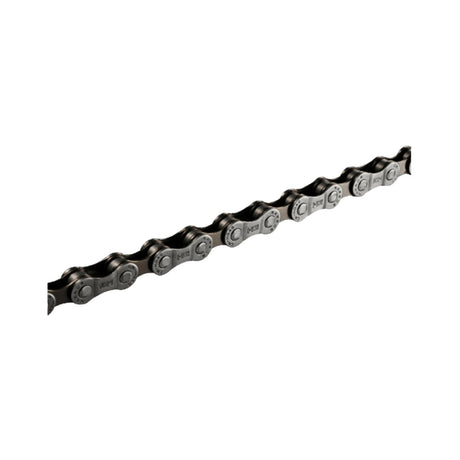
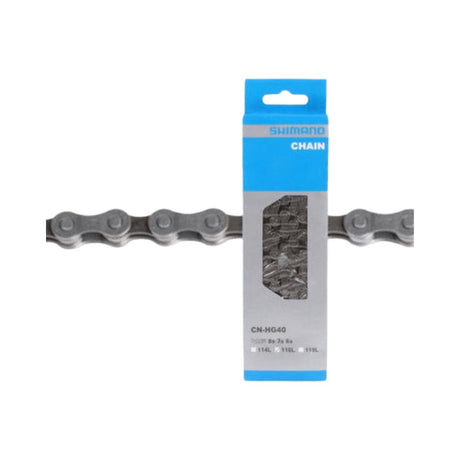
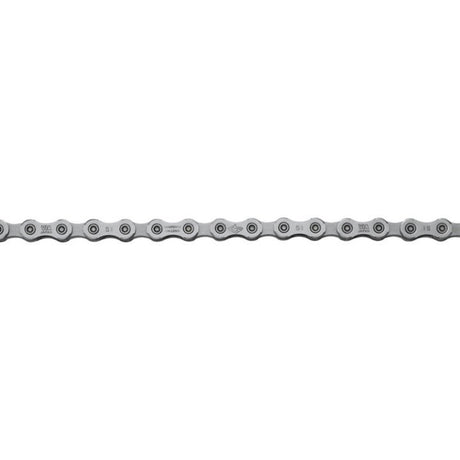
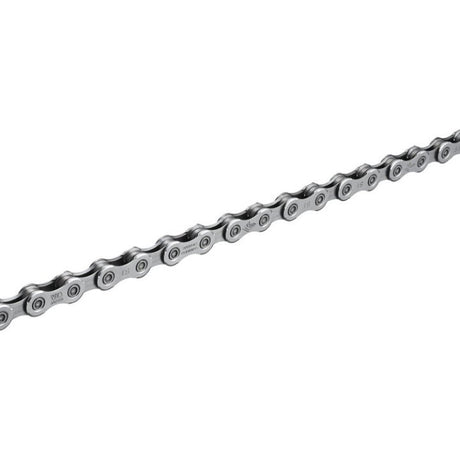
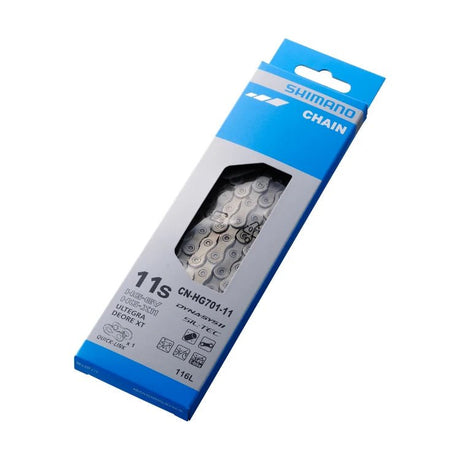
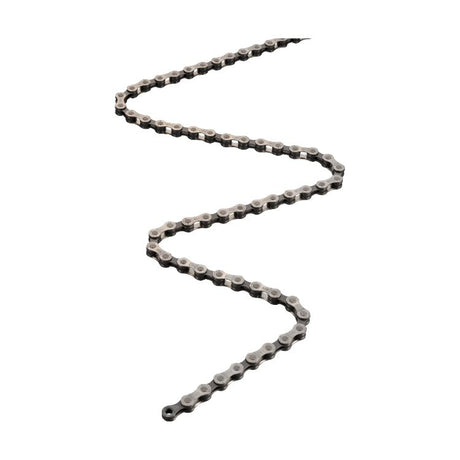
Chain waxing has a reputation for being fussy, expensive and slightly obsessive. In Hyderabad conditions it is none of those things once set up, and it solves the specific problem that ruins drivetrains here: dust. In our own use we get 700 to 800km from a single application, running Silca Secret Chain Blend hot melt wax with the EnduranceChip additive, with a chain that stays clean enough to handle without a rag. The catch is rain, and this guide is honest about that before anything else.
Contents
- What waxing actually is
- Why it suits Hyderabad so well
- The honest limitation: rain
- Hot melt or drip wax
- What you need to start
- The process
- When to re-wax
- The monsoon strategy
- Is it worth it for you?
- Frequently asked questions
What waxing actually is
A conventional chain lubricant is an oil that stays wet. It works, and because it stays wet it also collects every particle of dust it meets, which is what turns a chain black.
Wax is applied hot as a liquid, penetrates the rollers, then cools and sets solid. There is nothing sticky on the outside of the chain, so dust does not adhere. The wax inside the rollers is where the lubrication happens, and as it wears the chain simply runs dry rather than turning into paste.
The practical result is a chain you can pick up with bare hands after 500km. That is not a marketing claim, it is the normal state of a waxed drivetrain.
Why it suits Hyderabad so well
Most waxing guides sell it on efficiency, usually a couple of watts. That is real but it is not why it matters here.
The reason is that our primary drivetrain enemy is abrasive dust, not water. Fine road dust mixed into wet lubricant becomes a grinding compound sitting between chain rollers and cassette teeth, and it is why drivetrains wear out faster here than the intervals in international guides suggest. Wax removes the mechanism entirely: there is nothing on the outside of the chain for dust to stick to.
Through the dry months, from roughly October to May, this is close to an ideal solution for Indian riding.
The honest limitation: rain
Wax does not survive sustained rain. Water washes it out of the rollers, and a waxed chain caught in a serious downpour will need re-waxing rather than topping up. It is not a matter of degradation, it is a matter of the wax being gone.
Anyone telling you wax is a year-round solution in a monsoon climate is not riding in one. Plan around it rather than being disappointed by it, and see the monsoon strategy section below.
Hot melt or drip wax
| Hot melt (immersion) | Drip wax | |
|---|---|---|
| How | Chain removed, dipped in molten wax | Applied on the bike, drop per roller |
| Setup cost | Higher, needs a melter | A bottle |
| Penetration | Complete, into every roller | Surface and partial |
| Longevity | Longest | Shorter, more frequent |
| Chain removal | Every time | Never |
| Best for | Committed riders, high mileage | Trying waxing, or topping up between dips |
The two work together rather than competing. The usual approach is hot melt as the base treatment and Silca Super Secret drip wax to top up between dips, which extends the interval without removing the chain.
If you want to try waxing without committing to a melter, start with drip wax alone. It is a genuine improvement over oil in dusty conditions, just not the full result.
What you need to start
| Item | Why | Price |
|---|---|---|
| Silca Secret Chain Blend Hot Melt Wax | The wax itself, paraffin with tungsten disulfide | ₹3,999 |
| EnduranceChip additive | Extends the re-waxing interval up to 2.5 times. This is what takes us to 700 to 800km. | ₹2,899 |
| Silca Chain Waxing System | Temperature-controlled melter, drip stand and coupler | ₹9,999 |
| Ultimate Chain Stripper and Wax Prep | Strips factory grease before the first wax | ₹3,960 |
| Silca StripChip | Alternative to stripping: converts factory grease inside the wax pot | ₹2,400 |
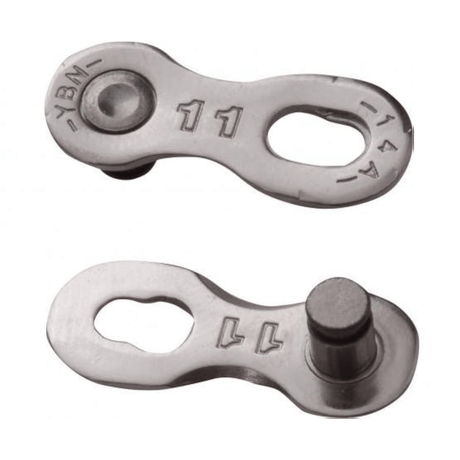
| Spare quick links | 11 and 12-speed links are single use | Varies |
Be clear about the additive, because it is the difference between our numbers and yours. The base Secret Chain Blend on its own gives a considerably shorter interval, in the region of 300km. The EnduranceChip is specified to extend that by up to 2.5 times, which is how the figure reaches 700 to 800km. If you buy the wax alone and expect our interval, you will be disappointed and will conclude waxing does not work. The chips are added to the pot once and treat many applications.
You do not need all of it. The minimum viable setup is the wax, a melter and a way to strip the chain. StripChip is worth understanding: it converts the factory grease on a new chain into wax-compatible material inside the pot, which removes the messiest step of the traditional process.
MSpeedWax Molten Speed Wax at ₹3,950 is the alternative to the Silca blend, and the Swisher tool handles agitation. The full range sits in lubricants.
The process
First time on a new or used chain:
- Strip the chain completely. Factory grease and any previous oil lubricant must be gone, because wax will not bond over them. This is the step that decides whether waxing works, and it is the step people rush. Use a dedicated wax prep solution, or the StripChip method inside the pot.
- Dry it fully. Any solvent or water left in the rollers stops the wax penetrating.
- Melt the wax. Heat to melt, then hold at working temperature. A temperature-controlled melter matters here: overheating degrades the wax and its additives.
- Thread the chain onto the coupler and lower it in. Loop through five or six links so the rest hangs free and the links stay separated.
- Agitate for several minutes. You are driving molten wax into every roller, not coating the outside.
- Lift and hang to drip over the pot so excess returns.
- Let it cool completely. The chain will be stiff and look like a solid bar. This is correct.
- Break the links free by flexing the chain back and forth in your hands before fitting. It loosens immediately.
- Fit with a fresh quick link.
Subsequent waxes skip the stripping. A used waxed chain goes straight back into the pot, and the old wax simply melts back in.
When to re-wax
Distance is a guide, sound is the real signal. A waxed chain runs almost silently, and the first sign it needs attention is a faint dry rustle from the drivetrain.
| Setup and conditions | Interval |
|---|---|
| Secret Chain Blend with EnduranceChip, dry Hyderabad riding | 700 to 800 km |
| Base hot melt wax, no additive | Around 300 km |
| Dusty or unsealed roads | Shorter, watch for the rustle |
| Drip wax top-up between dips | Every 200 to 300 km |
| After riding through rain | Re-wax, regardless of distance |
Do not wait for the chain to sound bad. A dry waxed chain wears quickly once the wax is gone, which is the one way a waxing routine can cost you more than it saves.
The monsoon strategy
Given that wax and sustained rain are incompatible, there are three workable approaches.
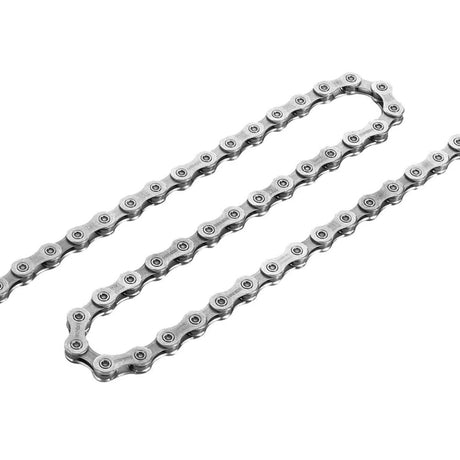
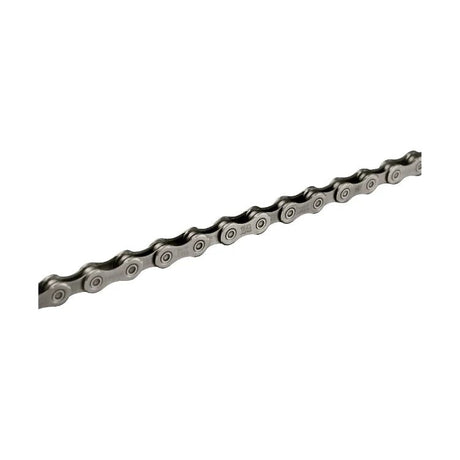
- Run two chains. The best answer if you ride through the monsoon. Keep one waxed chain for dry months and one running wet lube for the wet season, and swap them. Both chains wear at roughly half the rate, so the second chain largely pays for itself. Buy the second chain and the quick links together, and check they match your groupset in our chain compatibility guide.
- Switch lubricants seasonally. Wax from October to May, a proper wet lube through the monsoon. Cheaper, but moving back to wax means fully stripping the chain again.
- Re-wax after every wet ride. Only realistic if you have a melter set up and wet rides are occasional rather than routine.
Is it worth it for you?
Yes, if you ride more than about 150km a week, ride mostly in the dry months, are already replacing chains and cassettes more often than you would like, and are willing to spend twenty minutes every few weeks on a routine.
Probably not, if you ride mainly through the monsoon, ride under 100km a week, or want the lowest possible effort. A good dry lube applied properly is a perfectly respectable answer, and our guide to cleaning and lubricating a chain covers doing that well.
The economics work through component life rather than through the wax. A drivetrain that lasts substantially longer offsets the setup cost over a couple of years, and the cleanliness is what people actually end up valuing.
Frequently asked questions
How much does it cost to get started with chain waxing?
Around ₹17,000 to ₹21,000 for the full setup we use, including the wax, the EnduranceChip additive, a temperature-controlled melter and chain preparation, plus spare quick links. That is the honest number and it puts people off, so it is worth framing properly: the melter is a one-time purchase that lasts years, and a block of wax treats a chain many times over. If that is too much to commit before trying it, start with drip wax at around ₹2,700, which needs no equipment at all.
Can I wax a chain that has already run on oil-based lube?
Yes, but it must be stripped completely first, and completely means completely. Oil residue left inside the rollers stops wax bonding to the metal, and the result is a chain that sheds its wax within a couple of hundred kilometres and feels like a failed experiment. A used chain needs more thorough preparation than a new one, often several rounds of solvent. Many riders find it easier to start waxing when fitting a new chain, since the factory grease is more predictable to remove.
Do I need a dedicated wax melter, or will a kitchen slow cooker work?
A slow cooker works and is how most people started, but temperature control is the reason dedicated melters exist. Ordinary thermostatic cookers swing well past the target temperature, and overheating degrades the wax and any performance additives in it. If you use a kitchen appliance, dedicate it permanently to waxing and never return it to food use. Never leave molten wax unattended, and never heat it directly on a stove.
What do I do if I get caught in rain on a waxed chain?
Finish the ride, then dry the chain thoroughly and re-wax at the first opportunity. Wax washed out of the rollers leaves the chain effectively unlubricated, and riding on for another few hundred kilometres in that state causes more wear than any single wet ride would. If you cannot re-wax immediately, applying drip wax or even a normal lubricant is far better than riding dry. A short shower on a long ride is not a crisis; a soaking followed by a week of riding is.
Does waxing actually make the chain last longer?
Yes, and this is where the money comes back. Chain wear is caused by abrasive particles between the pins and rollers, and wax attracts far less of that material than oil does in dusty conditions. Riders who wax consistently commonly report chains and cassettes lasting considerably longer than on wet lube. The benefit is largest in exactly the conditions we ride in here, and smallest in clean wet European conditions where wax is often argued about on watts alone.
Want to try it?
If you would like to see a waxed chain before committing to the setup, come to our Kondapur store. We can also strip and wax a chain for you as a workshop job if you want the result without the equipment. You can ask TBA Guide to ask what your groupset needs.