Short answer: for most riders and runners the Forerunner 70 at ₹32,990 does everything that matters, including training readiness, HRV and adaptive coaching. Spend more only if you need maps on your wrist, in which case the Forerunner 965, or a rugged case and solar charging, in which case the Fenix 8.
Contents
- The three questions that actually decide it
- Starting out: Vivoactive 5 and Forerunner 70
- Training seriously: Forerunner 265, 570 and 965
- Rugged and outdoor: Instinct and Fenix
- The Marq tier
- The one non-Garmin worth considering
- Which one should you buy
- Frequently asked questions
The three questions that actually decide it
Garmin's range looks impossible to navigate because the model names carry no information. Forerunner, Instinct, Fenix, Vivoactive and Marq tell you nothing about what the watch does. In practice three questions separate them, and everything else is detail.
1. Do you need maps on your wrist? This is the single biggest price step in the range. Full colour mapping appears on the Forerunner 965 and the Fenix 8 series and nowhere below them. If you ride or run known routes, you do not need it. If you explore unfamiliar terrain without a phone, you do.
2. AMOLED or transflective? AMOLED screens are bright, colourful and easy to read indoors. Transflective MIP screens look duller but get more readable the brighter the sunlight, and they use far less power, which is why every solar model uses one. In Indian daylight, a transflective screen is genuinely easier to read mid-effort.
3. How rough is your use? Forerunner and Vivoactive are training watches. Instinct and Fenix are built to be knocked about, carry altimeter, barometer and compass sensors, and rate to 10 ATM. If your watch lives on your wrist through commutes, monsoon and travel, that matters more than a few grams.
One more thing worth saying plainly. A watch is not a replacement for a bike computer. It is harder to read at speed, it will not run a full day of navigation on a long ride, and mounting it on the bars is a compromise. Our guide to whether to buy a bike computer or a GPS watch covers that choice. This article assumes you have decided on a watch.
Starting out: Vivoactive 5 and Forerunner 70
| Model | Price | Display | Best for |
|---|---|---|---|
| Vivoactive 5 | ₹24,990 | 1.2in AMOLED | Health and general fitness |
| Forerunner 70 | ₹32,990 | AMOLED | Running and structured training |
The Vivoactive 5 is a fitness and wellbeing watch rather than a training one. It has built-in GPS, over 30 sports apps, music storage, Garmin Pay, Sleep Coach and nap detection. What it does not have is the training analysis that makes the Forerunner useful, so if your interest is understanding your training rather than logging it, skip past this one.
The Forerunner 70 is the one we would put most people on, and it is better value than its position in the range suggests. For ₹32,990 you get HRV status, training readiness, VO2 max, running dynamics from the wrist, running power, daily suggested workouts that adapt after every session, and Garmin Coach plans. That is a genuinely complete training feature set. Battery is up to 13 days in smartwatch mode and 23 hours with GPS running, which covers a full training week and any event short of an ultra.
It also carries over 80 sports apps including cycling and pool swimming, comes in black, citron and whitestone, and has PacePro for race pacing. The compromises against the more expensive Forerunners are single-band GPS rather than multi-band, and no maps. Neither is a problem for most people.
Training seriously: Forerunner 265, 570 and 965
| Model | Price | Case | Adds over the 70 |
|---|---|---|---|
| Forerunner 265 | ₹34,990 | 46mm | Multi-band GPS, triathlon profiles, race widget |
| Forerunner 570 | ₹67,990 | 47mm | Speaker and mic, aluminium bezel, Garmin Coach for triathlon and cycling |
| Forerunner 965 | ₹74,299 | 1.4in AMOLED | Full colour maps, titanium bezel, ClimbPro, wrist running power |
The Forerunner 265 sits only ₹2,000 above the 70 and adds multi-band GPS, which is the meaningful upgrade. Multi-band uses more than one satellite frequency and holds accuracy far better among tall buildings and under tree cover. If you train in dense city areas and your pace data has ever looked wrong, this is why. It also adds proper triathlon profiles for switching between swim, bike and run.
The Forerunner 570 is a large jump for a smaller set of gains: a built-in speaker and microphone for calls and voice commands, an aluminium bezel, and Garmin Coach plans that extend to cycling and strength as well as running. Worth it if you want a single watch that handles calls and multisport, less compelling otherwise.
The Forerunner 965 is where maps arrive, and it is the most useful watch in the range for anyone who rides unfamiliar roads. A 1.4in AMOLED screen, titanium bezel, ClimbPro for pacing climbs in real time, and wrist-based running power. If you are choosing one watch for long rides, gravel and running, this is the sensible ceiling before the Fenix money.
Rugged and outdoor: Instinct and Fenix
| Model | Price | Display | Notable |
|---|---|---|---|
| Instinct E | ₹36,990 | Transflective | 45mm, 10 ATM, ABC sensors, no maps |
| Instinct 3 AMOLED | ₹61,990 | 1.3in AMOLED | 50mm, flashlight, multi-band, TracBack |
| Fenix 7 Solar | ₹79,990 | Transflective, solar | 47mm, Power Glass, real-time stamina |
| Fenix 8 AMOLED 43mm | ₹1,30,490 | 1.3in AMOLED | Compact, dive rated, LED flashlight, maps |
| Fenix 8 AMOLED Sapphire | ₹1,35,990 | 1.4in AMOLED | 47 or 51mm, titanium, endurance and hill scores |
| Fenix 8 Solar Sapphire | ₹1,35,990 | Transflective, solar | 47 or 51mm, always-on, longest battery |
The Instinct E at ₹36,990 is the value pick in this group and an interesting alternative to the Forerunner 70 at similar money. You trade the bright screen and some training analysis for a genuinely tough 45mm case, 10 ATM water rating, altimeter, barometer and compass, and much longer battery life. Available in black or electric lime.
The Instinct 3 AMOLED adds a bright screen, a built-in flashlight that is more useful than it sounds for early morning rides, multi-band GPS and TracBack routing to retrace your route home.
The Fenix 8 range is the top of the sport line. All three carry maps, an LED flashlight, a speaker and microphone, multi-band GPS, endurance score and a 10 ATM rating with recreational dive capability to 40m. The choice between them is display and size. The 43mm AMOLED suits smaller wrists. The AMOLED Sapphire in 47 or 51mm is the brightest. The Solar Sapphire is the one we would pick for Indian conditions, because its always-on transflective screen is the most readable in harsh sunlight and the solar charging genuinely extends battery on long outdoor days.
The Fenix 7 Solar at ₹79,990 remains good value if you want solar and a rugged case without Fenix 8 money, though only one is left in stock.
The Marq tier
Above the Fenix sits the Marq Gen 2 collection, from ₹2,15,990 for the Athlete to ₹2,74,990 for the Captain, with Adventurer, Aviator and Golfer editions in between. These use grade-5 titanium cases, domed sapphire lenses and ceramic bezels.
Be clear about what you are buying. The Marq Athlete's training features are broadly those of the Fenix 8 in a luxury watch case. You are paying for materials and finish rather than capability. That is a legitimate thing to want, but nobody should buy one expecting better data.
The one non-Garmin worth considering
The Coros Pace 4 at ₹33,990 sits directly against the Forerunner 70 and is the only serious alternative we stock. Coros builds lighter watches with notably longer battery life and a simpler, less cluttered software experience. Garmin's advantage is the depth of its training analysis and the size of the Garmin Connect ecosystem, including Connect IQ apps and easy pairing with Edge computers.
If you already use a Garmin Edge on the bike, stay with Garmin for the ecosystem. If you are starting fresh and value battery life and simplicity, the Pace 4 is a genuinely good watch. Stock on it is limited.
Which one should you buy
| If you | Buy | Price |
|---|---|---|
| Want health and activity tracking, not training analysis | Vivoactive 5 | ₹24,990 |
| Are buying a first proper training watch | Forerunner 70 | ₹32,990 |
| Train in dense city areas and want accurate pace | Forerunner 265 | ₹34,990 |
| Want a tough watch you never take off | Instinct E | ₹36,990 |
| Want calls and voice on the wrist | Forerunner 570 | ₹67,990 |
| Ride and run unfamiliar routes and want maps | Forerunner 965 | ₹74,299 |
| Want maps, ruggedness and the best sunlight readability | Fenix 8 Solar Sapphire | ₹1,35,990 |
| Have smaller wrists but want Fenix capability | Fenix 8 AMOLED 43mm | ₹1,30,490 |
| Prefer longer battery and simpler software | Coros Pace 4 | ₹33,990 |
Prices are indicative and move with exchange rates and duty.
Frequently asked questions
If I already have a bike computer, will the watch duplicate my rides?
Yes, if you record on both, and Strava will show two separate activities rather than merging them. The standard approach is to record the ride on the head unit and let the watch act as a heart rate source and daily wellness tracker. On Garmin devices the watch can broadcast wrist heart rate to a paired Edge computer, so you get one clean file with heart rate included.
Can I pair a chest strap with these watches?
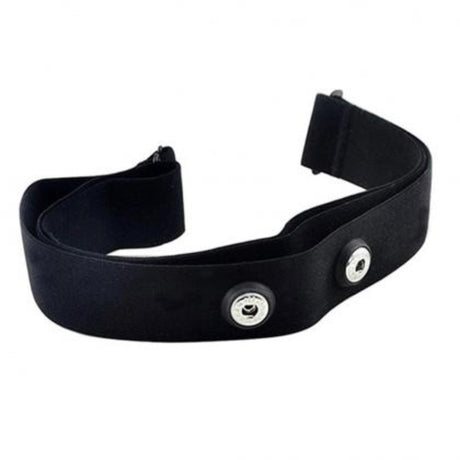
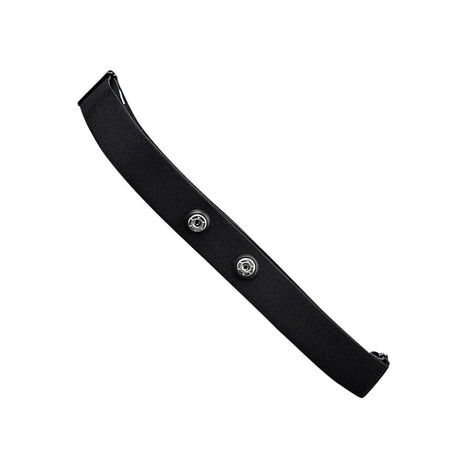
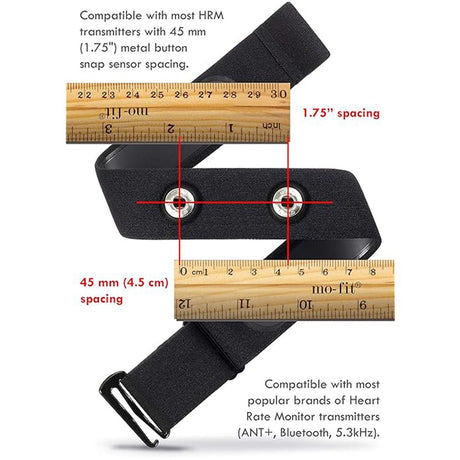
Yes, all of them support ANT+ and Bluetooth chest straps, and it is worth doing for interval work. Wrist optical sensors lag behind sudden efforts by several seconds and lose accuracy when your arm position changes on the bars. The Garmin HRM 200 at ₹11,990 pairs with any of these watches and with an Edge computer at the same time.
Does solar charging actually make a difference in Indian sunlight?
Yes, and India is close to the best case for it. Solar Garmins need strong direct sunlight to contribute meaningfully, roughly 50,000 lux, which is normal for daytime riding across most of India for most of the year. Expect it to extend battery rather than eliminate charging. It works only on transflective models such as the Fenix 8 Solar Sapphire, never on AMOLED versions.
Do any of these watches work without a phone nearby?
All of them record GPS activities independently, but none has a cellular connection, so notifications, live tracking and safety alerts need your phone paired over Bluetooth within about ten metres. Music is the exception worth knowing: the Vivoactive 5, Forerunner 570, 965 and Fenix 8 store music on the watch for phone-free listening with wireless headphones.
How long does the battery last before it needs replacing?
Expect noticeable capacity loss after roughly three to five years of daily use, or about 500 to 800 full charge cycles. Garmin batteries are not user-replaceable, so this is a service job rather than a spare part. Charging in high heat accelerates the decline, which is worth remembering in an Indian summer, so avoid leaving the watch charging in direct sun or in a parked car.
Try one on first
Case size matters more than the spec sheet suggests, and 47mm looks very different on the wrist to 43mm. Come to our Kondapur store and try a few, or ask TBA Guide what suits what you train for and your budget, and we will narrow it to two.