A chain is one of the cheapest parts on your bike and the one that decides how expensive your next service is. Replace it on time and it costs a couple of thousand rupees. Leave it too long and you are buying a cassette and possibly chainrings as well, which turns a small job into a five-figure one.
The frustrating part is that a worn chain gives you almost no warning. It does not snap, it does not squeal, and by the time shifting feels vague the damage to everything it touches has already been done.
What wearing out actually means
People talk about a chain stretching. Nothing stretches. The side plates are steel and they hold their length.
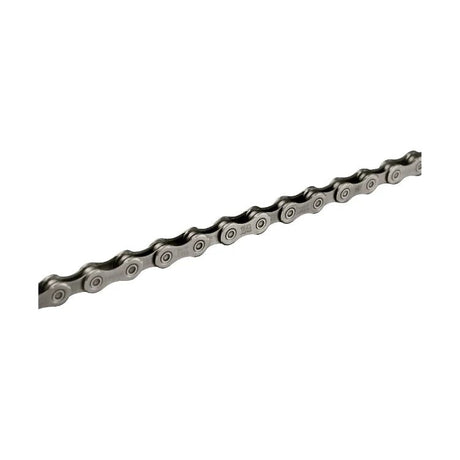
What wears is the pin and the inside of the roller it passes through. Every one of those joints loses a fraction of a millimetre of material, and across a hundred-odd links those fractions add up to a chain that is measurably longer than it started.
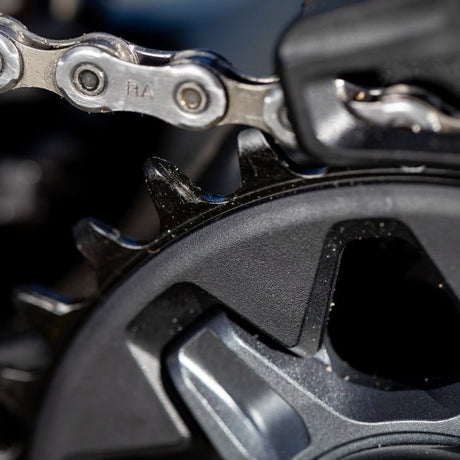
That matters because a chain is designed to mesh with cassette teeth at an exact spacing, half an inch per link. As the chain lengthens, each roller sits slightly further out than the tooth expects. The load stops being shared across several teeth and concentrates on one or two. Those teeth then wear into a shape that matches the worn chain.
Which is why fitting a new chain to a worn cassette causes skipping. The cassette has reshaped itself around a chain that no longer exists.
The economics, which is the real argument
| What you replace | Rough cost |
|---|---|
| Chain, caught on time | 1,000 to 3,000 |
| Chain and cassette | 5,000 to 12,000 |
| Chain, cassette and chainrings | 15,000 upwards |
A rider who replaces three chains during the life of one cassette spends less than a rider who runs one chain into the ground and then replaces the lot. The chains cost more in total, but the cassette and chainrings survive, and those are the expensive parts.
This is the single highest-return maintenance habit in cycling, and it takes ten seconds to check.
How to measure it
The reliable way: a chain wear indicator
A chain checker is a small tool that drops into the chain and tells you how far gone it is. It costs a few hundred rupees, works in seconds, and removes the guesswork entirely. A Birzman chain wear indicator is the straightforward option.
Most have two marked ends, usually 0.5 and 0.75. You drop one end in and see whether the other end drops fully into the chain or sits proud.
- Sits proud. You are below that figure. Chain is fine.
- Drops in fully. You have reached that level of wear.
The replacement thresholds
| Drivetrain | Replace at |
|---|---|
| 11 and 12-speed | 0.5% |
| 8, 9 and 10-speed | 0.75% |
| Any drivetrain | Past 1.0%, assume the cassette is gone too |
Modern narrow chains wear faster and are less tolerant, which is why the 11 and 12-speed threshold is tighter. If you are on 12-speed and the 0.5 end drops in, order a chain that week.
The ruler method, if you have no tool
Twelve complete links of a new chain measure exactly 12 inches, pin centre to pin centre. Lay a steel ruler along the chain with the zero mark on a pin centre and look at where the twelfth pin falls.
- Bang on 12 inches. New or nearly new.
- 12 and 1/16 inch. Roughly 0.5% worn. Replace on 11 or 12-speed.
- 12 and 1/8 inch. Roughly 1%. Replace, and check the cassette.
This works but it is fiddly and easy to misread by exactly the amount that matters. Use it once to convince yourself, then buy the tool.
How often to check
| Conditions | Check every |
|---|---|
| Dry season, clean roads | Every 500 to 800 km |
| Monsoon or dusty conditions | Every 2 to 3 weeks |
| After a wet multi-day ride or tour | Straight away |
Wet-weather wear rates are the thing people underestimate. A chain that would comfortably last 3,000 to 4,000 km in dry conditions can be finished in well under half that if it is repeatedly ridden through wet grit without cleaning. The mechanism is covered in our monsoon maintenance guide, and it is the reason monsoon riders should be checking fortnightly rather than by distance.
Buying the right replacement
Three things have to match.
Speed count. A 12-speed chain is narrower than an 11-speed, which is narrower than a 10. Fit the wrong one and it either will not run through the derailleur cleanly or will rattle between sprockets. This is not a place to approximate.
Brand compatibility. Shimano, SRAM and KMC chains are broadly interchangeable within the same speed count for most road drivetrains, though manufacturers all recommend their own. The exception worth knowing is 12-speed, where Shimano's Hyperglide+ and SRAM's Flattop are genuinely different designs and should not be mixed.
Length. New chains come long and are cut to fit your bike. The usual method is to run the chain around the largest chainring and largest sprocket without going through the derailleur, then add two links. If you still have the old chain, matching its length is simpler, provided the old one was correct.
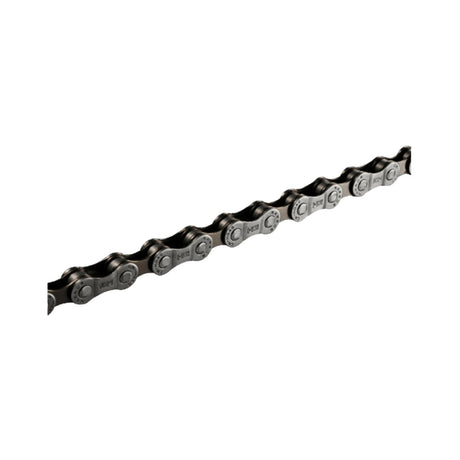
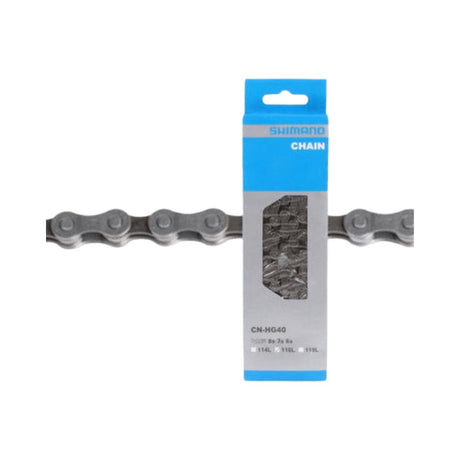
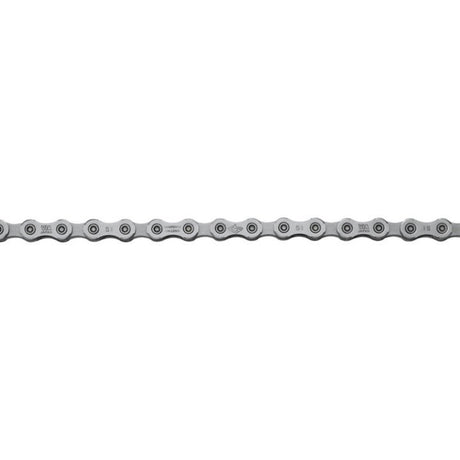
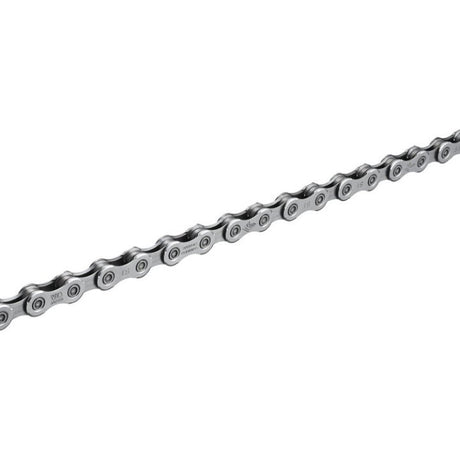
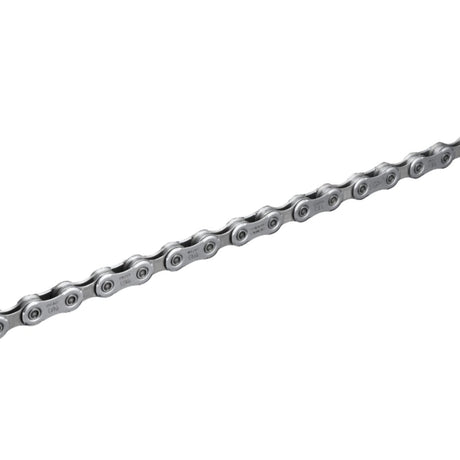
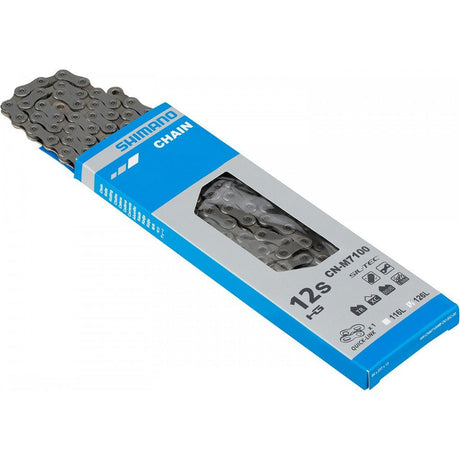
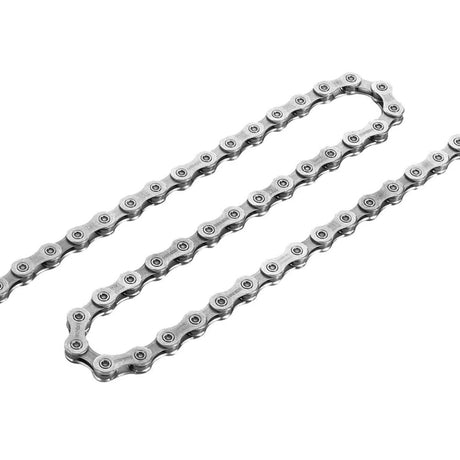
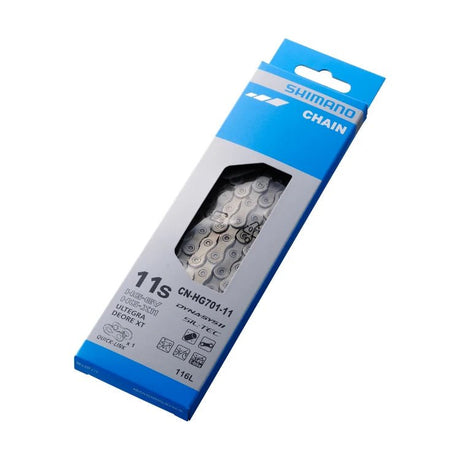
In stock across the common speeds: Shimano CN-HG40 for 6 to 8-speed, SRAM PC-951 for 9-speed, SRAM PC-1031 for 10-speed, and for 11-speed either the SRAM PC-1130 or the Shimano Ultegra CN-HG701.
Is a coated chain worth it?
You will see chains at two or three times the price of a standard one, with treatments like KMC's EPT or various titanium and diamond-like coatings. The claims are longer life, less friction and better corrosion resistance.
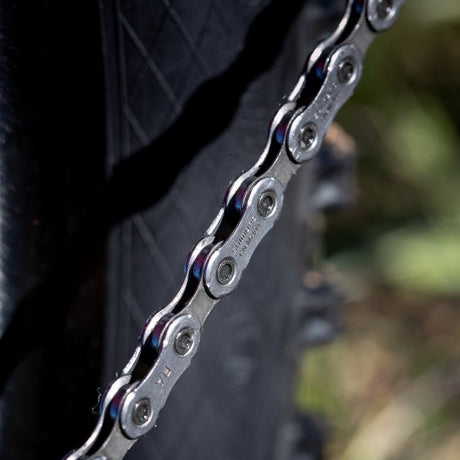
Here is the honest position. The corrosion resistance is real and genuinely useful in monsoon, where a standard chain surface-rusts within hours of being put away wet. A treated chain like the KMC X11 EPT holds up noticeably better through a wet season.
The friction savings are measurable in a lab and irrelevant to almost everyone. If you are not racing, that part is not what you are paying for.
The longer life claim depends almost entirely on how you maintain it. A coated chain that is never cleaned will not outlast a standard chain that is wiped and lubed after every wet ride. Coatings protect the surface; they do not stop grit grinding away the pins.
So: worth it if you ride through monsoon and want less corrosion anxiety. Not worth it as a substitute for maintenance, and not worth it for speed unless you are racing.
Quick links and how to handle them
Most modern chains join with a quick link, a two-piece connector that clips together without a chain tool. They make removing a chain for cleaning genuinely easy.
The reusability question comes up constantly and the answer differs by brand. Shimano state their quick links are single use. SRAM say the same for 11 and 12-speed. KMC's are rated for a small number of uses. In practice many riders reuse them, and in practice some of those riders have a chain come apart under load, which on a hard effort is how you end up on the road.
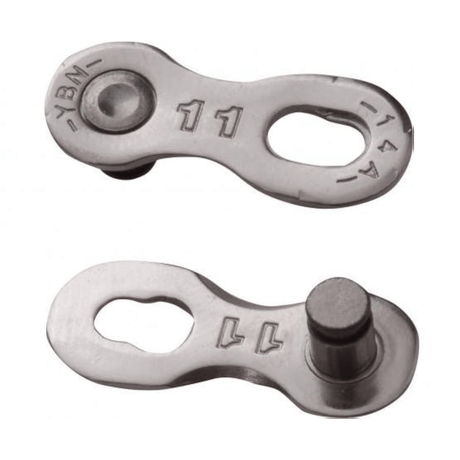
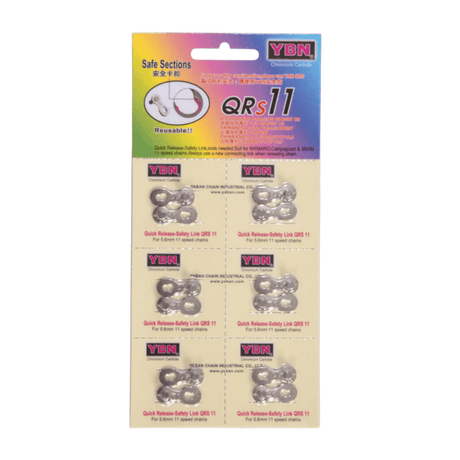
A quick link costs a few hundred rupees. Keep a spare in your saddle bag, replace it when you replace the chain, and do not reuse one that has been on a chain for a full season. Shimano's 11-speed connector is the one to keep spare if you run 11-speed.
Quick links are also speed-specific. An 11-speed link will not work correctly on a 12-speed chain.
Checking whether the cassette is gone too
If your chain is past 1%, assume the cassette needs looking at.
The visual test is tooth shape. New cassette teeth are symmetrical, like a row of small triangles. Worn teeth develop a hooked, shark-fin profile, curved on the driving side. Look at the sprockets you use most, usually the middle of the cassette, and compare them to one you rarely touch, like the largest. If the shapes differ noticeably, the cassette is worn.
The definitive test is fitting the new chain and riding it. If it skips under load, particularly when you stand up and push, the cassette is worn and needs replacing too. Our freehub and cassette compatibility guide covers what will fit your wheel.
Chainrings last considerably longer than cassettes, often through several cassettes. They only need attention if you have run a drivetrain a very long way past its replacement point.
Making a chain last longer
Keep it clean. Grit is what does the damage, not distance. A chain ridden 2,000 km clean will outlast one ridden 1,000 km dirty.
Lube correctly. One drop per roller, let it wick in, then wipe the outside thoroughly. A visibly wet chain collects grit and wears faster than a dry-looking one that is properly lubricated inside.
Use the right lube for the season. Wet lube through monsoon, dry lube the rest of the year.
Avoid extreme cross-chaining. Big ring to biggest sprocket, or small ring to smallest, runs the chain at a severe angle and accelerates wear on both the chain and the sprockets.
Ease off when shifting under load. Shifting while pushing hard grinds the chain across the tooth ramps. A momentary lift in pressure as you shift makes a measurable difference over a season.
The habit worth building
Buy a chain checker. Keep it where you keep your floor pump. Check the chain when you check your tyre pressures, which should be often.
Ten seconds, a few hundred rupees, and it is the difference between replacing a chain and replacing a drivetrain.
Not sure whether yours is done, or which chain your bike takes? Bring it to the shop in Kondapur and we will measure it while you wait, or ask TBA Guide with your groupset and we will tell you what fits.
FAQ
How many kilometres does a bike chain last?
Typically 3,000 to 4,000 km on a road bike in dry conditions, and often under half that through monsoon. Distance is a poor guide on its own, because grit rather than mileage does the damage. Measure elongation rather than tracking kilometres.
Can I replace just the chain and keep the cassette?
Yes, if you catch the chain before 0.75% elongation. Beyond that the cassette has usually worn to match the old chain, and a new chain will skip on it under load. Replacing chains early is what lets one cassette outlast several chains.
Why does my new chain skip on the cassette?
The cassette is worn. Its teeth have reshaped themselves around the old, elongated chain, so a correctly sized new chain no longer meshes properly. Skipping usually shows up under load, standing on the pedals. The fix is a new cassette.
Can you reuse a chain quick link?
Shimano and SRAM state their 11 and 12-speed quick links are single use. KMC rate theirs for a small number of uses. A link costs a few hundred rupees against the risk of a chain failing under load, so replace rather than reuse, and keep a spare in your saddle bag.
Are expensive coated chains worth it?
For corrosion resistance in monsoon, yes. A treated chain resists surface rust far better than a standard one. The friction savings are lab-measurable but irrelevant unless you race, and no coating substitutes for cleaning, since grit wears the pins regardless of surface treatment.
Can I mix chain brands with my groupset?
Generally yes within the same speed count for road drivetrains, though every manufacturer recommends its own. The exception is 12-speed, where Shimano Hyperglide+ and SRAM Flattop are genuinely different designs and should not be mixed.
How do I know what length chain I need?
Run the new chain around the largest chainring and largest sprocket without threading it through the rear derailleur, bring the ends together, then add two links. If your old chain was the correct length, matching it is simpler and equally reliable.
Does a worn chain make you slower?
Marginally, but that is not the reason to replace it. The measurable friction increase is small. The real cost is that a worn chain destroys the cassette and eventually the chainrings, turning a cheap replacement into an expensive one.