


IceToolz 36Q1 Hex Key Set 4-6mm Ball-Ended
Regular price ₹690Unit price
 Regular price ₹10,290Unit price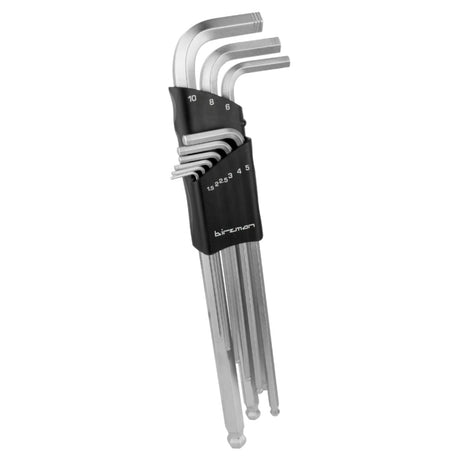
Birzman Hex Key Set Long Arm Ball Point
Regular price ₹2,990Unit price


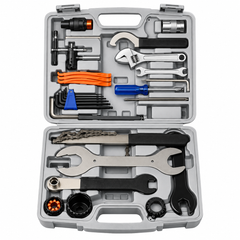
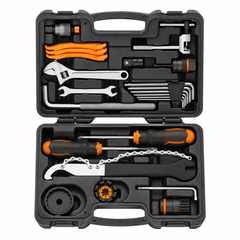
IceToolz 82F4 Essence Tool Kit
Regular price ₹9,290Unit price
Pedro's Pro Bit & Socket Set - 31 Pcs
Regular price ₹7,100Unit price Regular price ₹3,890Unit price


IceToolz 41B8 8-15mm Combination Ratchet Wrench Set
Regular price ₹10,350Unit price


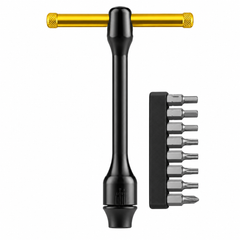
Silca T-Handle Folio Hex Key Set
Regular price ₹18,999Unit price
Unior 1695MB1-US Crank Saver - Pedal Thread Repair and Insert Kit
Regular price ₹20,159Unit price
Unior 1695MB1 Crank Saver - Pedal Thread Repair and Insert Kit
Regular price ₹20,159Unit price
Unior 1600N1-US Professional Mechanic Tool Carriage
Regular price ₹339,435Unit price
Unior 1600PROKIT-US Pro Kit /46 Tools
Regular price ₹79,090Unit price


Unior 1754 Master Wheel Building Kit
Regular price ₹24,696Unit price
Unior 1600A5 Set of Bike Tools 13 Pcs in Bag
Regular price ₹4,633Unit price
Unior Set3-2600C-US Set of Tools in Tray 3 for 2600C - Frame Preparation Tools
Regular price ₹126,991Unit price


Unior 2600C-US Master Workbench / 202 Tools
Regular price ₹837,634Unit price
Unior Set3- 2600A-TR Set of Tools in Tray for Production Repair
Regular price ₹79,173Unit price
Unior 2600CW- TR Shared Shop Bench, Trek
Regular price ₹180,720Unit price
Unior 2600A-US Professional Mechanic Workbench / 156 Tools
Regular price ₹473,320Unit price
Unior Set1- 2600A-TR Production Drawer #1
Regular price ₹64,732Unit price
Unior Set3-2600AC-US Set of Tools in Tray 3 for 2600A and 2600C - Drivetrain Tools
Regular price ₹32,647Unit price
Unior Set2-2600AC-US Set of Tools in Tray 2 for 2600A and 2600C - Drivetrain tools
Regular price ₹86,641Unit price


Feedback Sports Team Edition Tool Kit
Regular price ₹29,999Unit price
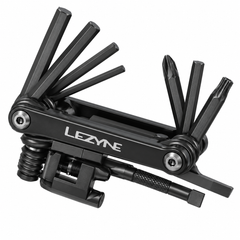
Pedro's Folding Hex / Screwdriver Set
Regular price ₹1,500Unit price


Frequently Asked Questions
What tools do I need to start maintaining my own bike?
What tools do I need to start maintaining my own bike?
A ball-ended hex set, a torque wrench and a chain tool cover the majority of home jobs. A 4, 5 and 6 mm hex set handles the bolts that make up most of a bike, and a torque wrench prevents the overtightening that damages carbon parts. Add tyre levers and a floor pump and you can handle routine work.
Do I really need a torque wrench for a bike?
Do I really need a torque wrench for a bike?
Yes, if you own anything carbon. Stem, seatpost and handlebar bolts are typically specified at 4 to 6 Nm, which is much lighter than most people apply by hand, and overtightening a carbon bar or post can crack it. A torque wrench covering the common low range pays for itself the first time it prevents damage.
What is the difference between a hex key set and a T-bar set?
What is the difference between a hex key set and a T-bar set?
L-shaped hex keys give you reach into tight spaces and cost very little. T-bar handles let you spin a bolt quickly and give much better feel for how much force you are applying, which is why professional mechanics prefer them. A T-bar set suits someone working on bikes regularly, while L-keys are fine for occasional jobs.
Are professional workshop tool kits worth it for a home mechanic?
Are professional workshop tool kits worth it for a home mechanic?
For most home mechanics, no. Workshop carriages and benches are built for shops servicing bikes every day, and much of their contents would sit unused at home. A compact professional set in a bag or a boxed home-mechanic kit is the more sensible choice. Buy a workshop system only if you run a service business or maintain a large fleet.
Which tool kit suits both road and mountain bikes?
Which tool kit suits both road and mountain bikes?
A general kit with hex, Torx and cassette tools will cover both, since the fasteners are largely shared. Look for a boxed kit that includes chain, cassette, bottom bracket and crank tools to span the common jobs on either type. Suspension service on a mountain bike needs brand-specific tools that no general kit includes, so check your fork's requirements separately.