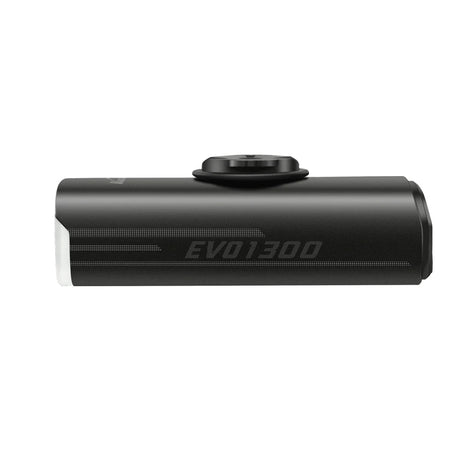
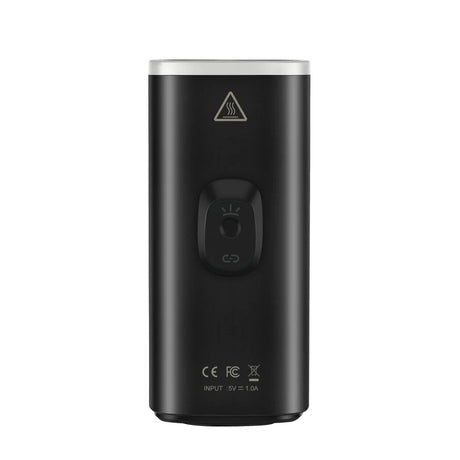
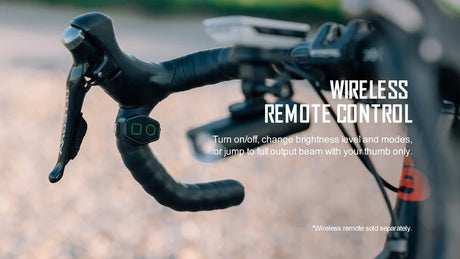
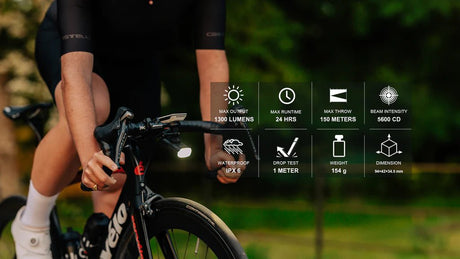
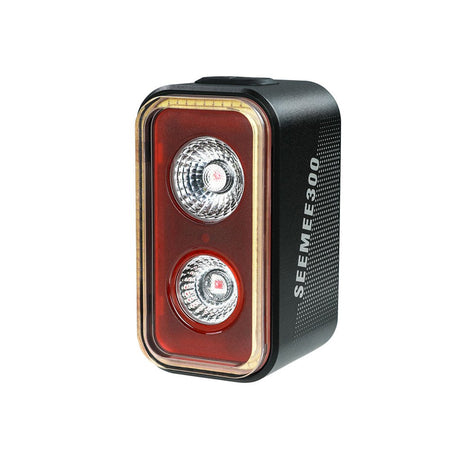
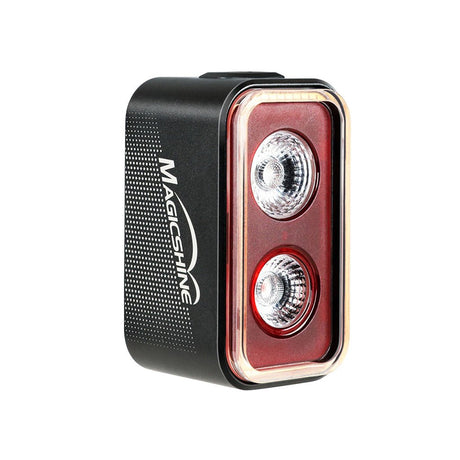
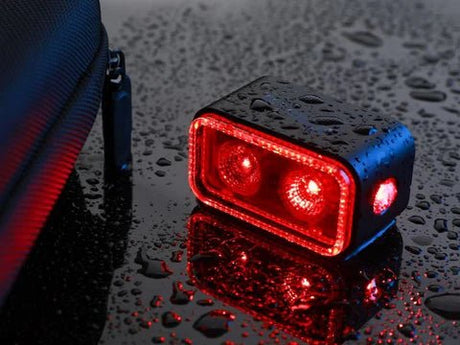
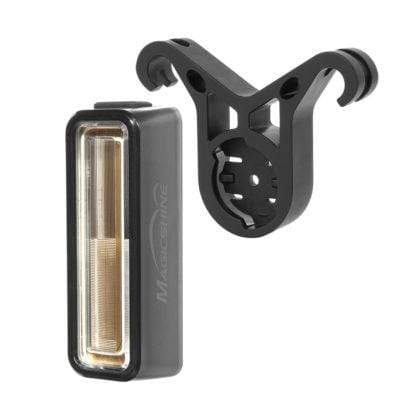
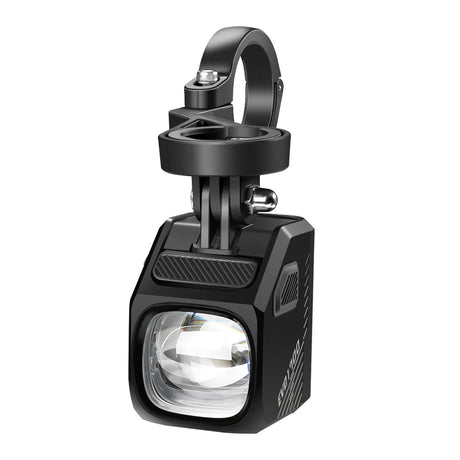
Most bike light problems that reach us are not faults. They are a light in travel mode, a battery that has been left flat for three months in Indian summer heat, or a rider comparing runtime against a specification measured in ideal laboratory conditions. The lithium-ion cell inside a Magicshine light is a consumable that responds to how you treat it, and the habits below will add years to it. Nearly all of it applies to any rechargeable bike light, not just Magicshine.
Contents
- My light will not turn on
- The battery does not last as long as the specification says
- Charging habits that actually matter
- Heat: the factor that matters most in India
- Storing a light you are not using
- Monsoon, water and the charging port
- Cleaning and mounts
- Quick reference
- When it really is a fault
- Frequently asked questions
My light will not turn on
Before assuming the light is dead, check these three things in order. They account for the large majority of the cases we see.
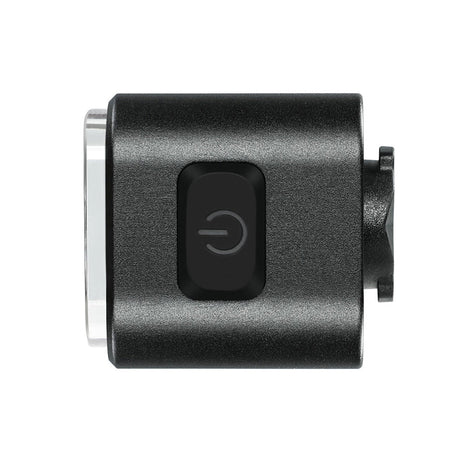
- Travel mode. Many lights ship with a transport lock so they cannot switch on accidentally in a bag or a box. A light in travel mode looks completely unresponsive. The unlock sequence is usually a long press or a double press held for several seconds, and it is in your model's manual. This is the single most common reason a brand new light appears faulty.
- The plastic tab. Small tail lights and remotes that use a coin cell often ship with a thin plastic sleeve between the cell and the contact, so the battery does not drain in transit. Open the unit and pull it out.
- A completely flat battery. A lithium-ion cell left at zero for a long period can drop into a protective state where it needs a while on the charger before it shows any sign of life. Leave it connected for thirty minutes before concluding anything, and watch for the charge indicator rather than trying the power button repeatedly.
The battery does not last as long as the specification says
Runtime figures are measured under controlled conditions, and real riding is not controlled. Before you treat short runtime as a defect, test it properly.
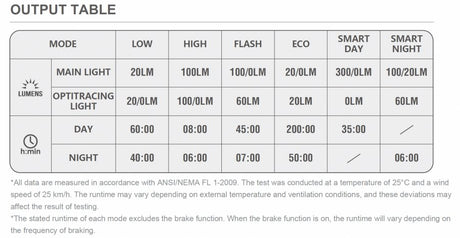
- Check which mode you are actually in. Most lights have several output modes, and quoted runtimes are per mode. A light rated for many hours in a low or flashing mode will not deliver anything close to that on maximum.
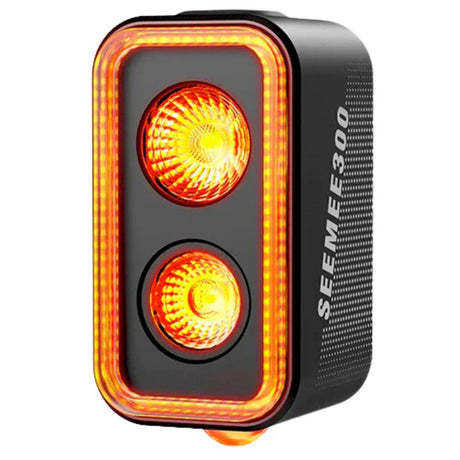
- Turn off radar and brake-light features while testing. On a light such as the Seemee 100AD, the output changes in response to approaching traffic. Ride the same route in different traffic and you will get different runtimes, and neither is wrong.
- Test from a full charge to a full discharge. One continuous run in one mode is the only meaningful measurement.
- Do not trust the app percentage. Battery percentages reported through a phone app are an estimate and can be some way off. Use actual runtime, not the number on screen.
- Expect a small shortfall. Even on a brand new light, real runtime is commonly 5 to 10 percent below the quoted figure, because ambient temperature and manufacturing tolerance both affect it. In Indian summer conditions the gap tends to sit at the wider end of that range.
Charging habits that actually matter
Lithium-ion cells wear through charge cycles and through stress. You cannot stop the wear, but you can slow it considerably.
- Charge fully before the first use. This gives you the full capacity from the start and a clean reference point for runtime.
- Do not run it to zero. Aim to put it on charge at around 20 to 30 percent rather than riding it flat. Deep discharges are one of the fastest ways to lose capacity permanently.
- Small frequent charges beat full cycles. Topping up after every couple of rides is better for the cell than repeatedly draining to empty and filling to full. There is no memory effect to worry about, so a partial charge costs you nothing.
- Unplug it once it is full. Modern lights have overcharge protection, so an occasional overnight charge is not a disaster, but leaving a light sitting at 100 percent on the charger as a habit will shorten its life.
- Use the supplied charger or one the manufacturer approves. Voltage and current requirements differ between models, and a mismatched charger can charge too slowly, run hot, or damage the cell.
- Wall socket for speed, computer USB port for gentleness. A wall charger is what you want the night before a ride. A laptop or computer port charges more slowly and runs cooler, which is easier on the battery when you are not in a hurry.
If you take only one thing from this section: keeping the battery somewhere between 40 and 80 percent most of the time, and out of the heat, matters more than which socket you plug it into.
Heat: the factor that matters most in India
This is where most of the damage happens here, and it is the part the international guidance tends to underplay because it is written for milder climates.
Lithium-ion cells have a wide survival range, roughly -20°C to 45°C, and Indian ambient temperatures stay inside it. The problem is that the places we leave lights do not.
- A parked car is the worst place in India for a bike light. A closed car in direct sun in Hyderabad or Chennai reaches internal temperatures far beyond 45°C. A light left in a glovebox or a boot over an afternoon has spent hours well outside its safe range. This does more damage in one afternoon than months of normal use.
- Take the light off the bike when you park in the sun. A black light body on a bike standing outside an office all day gets hot enough to matter, and it removes the theft risk at the same time.
- Let it cool before charging. Charging a cell that is already hot from a ride or from sitting in the sun stresses it. Give it fifteen or twenty minutes indoors first.
- Do not store it near heat. For anything longer than a few days, a cool cupboard indoors is the right place. For long storage, 10°C to 25°C is the ideal band, which in most Indian homes means an interior room rather than a balcony, a metal cupboard against an outside wall, or a garage.
Storing a light you are not using
Plenty of riders here stop night riding through the peak of summer or the heavy weeks of the monsoon. That gap is when batteries quietly die.
- Store it at around 80 percent, not full and not empty. A cell held at 100 percent for months ages faster, and one left at zero can become unrecoverable.
- Top it up every two to three months. Lithium-ion cells self-discharge slowly even when switched off. A short charge every couple of months keeps it out of the danger zone.
- Take it off the bike. A light left mounted through weeks of disuse collects dust, heat and rain for no reason, and the mount takes a set.
- Check it before you need it, not on the evening you need it. If you are planning a night ride or an early brevet start, charge the light two days before, not two hours before.
Monsoon, water and the charging port
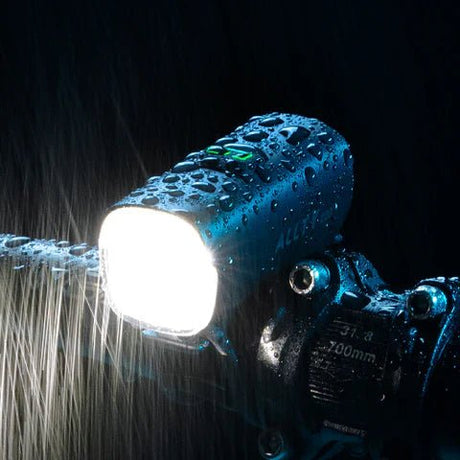
Bike lights are built to be rained on. The charging port is the exception, and it is where monsoon failures begin.
- Never plug in a wet light. Water sitting across the contacts while current is flowing corrodes them quickly and can trip the light's protection. Dry the port thoroughly first, shake out any trapped water, and leave it an hour if you can.
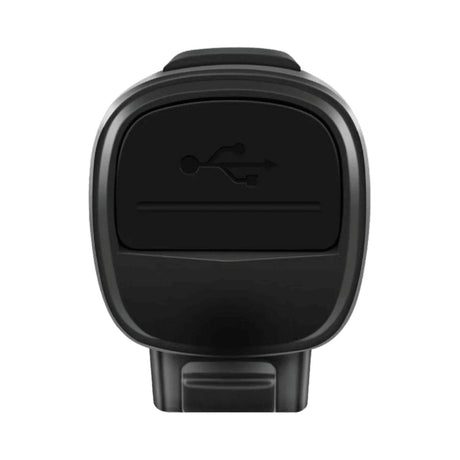
- Close the port cover properly. The rubber flap over the USB port is the seal. A cover that is not fully seated is the difference between a rainproof light and a wet one.
- Rinse off road spray, then dry. Monsoon road water carries grit and oil. A quick wipe with a damp cloth after a wet ride, then a dry cloth, keeps it out of the seals.
- Do not point a pressure washer at a light. Rain resistance is not immersion resistance, and a jet will push water past seals that handle rain without complaint.
Cleaning and mounts
A dirty lens costs you real brightness, and it is the easiest thing on this page to fix.
- Wipe the lens with a soft damp cloth after dusty or wet rides. No solvents, no abrasive cloths, nothing that will scratch the optic.
- Clear dust and grit out of the crevices around the lens with a soft brush. On Indian roads this builds up faster than most people expect.
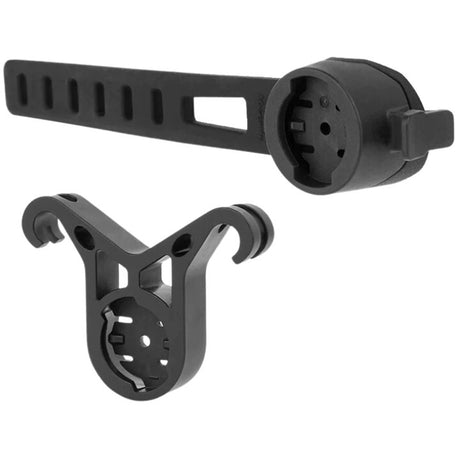
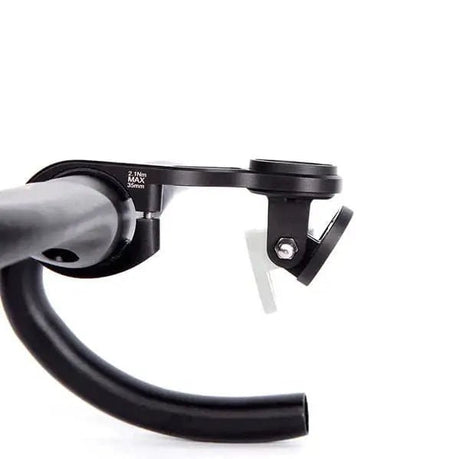
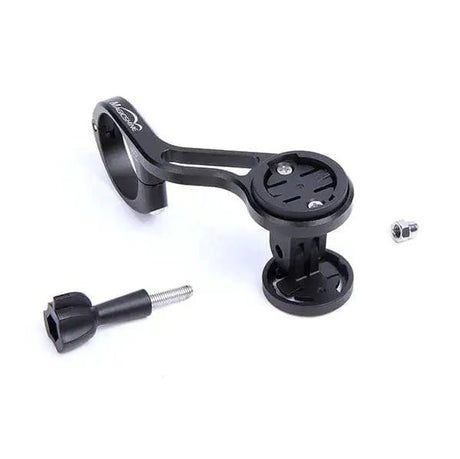
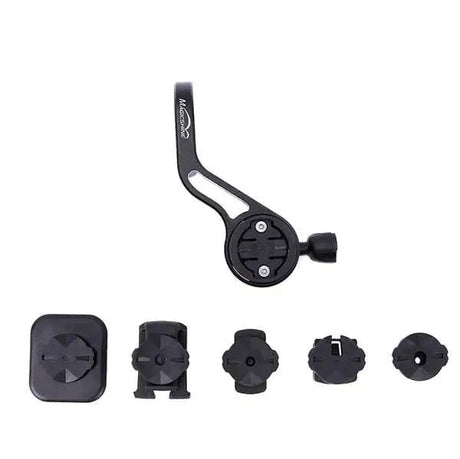
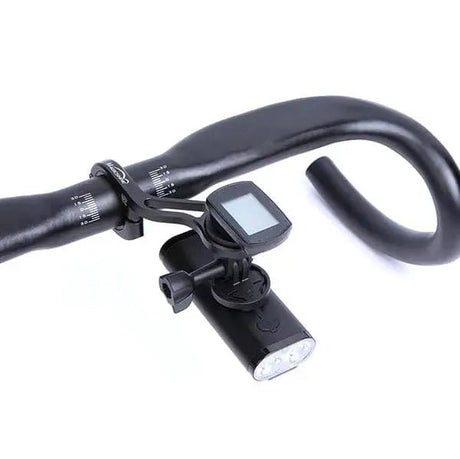
- Check the mount and the strap. Rubber straps perish in UV, and a perished strap is how lights end up on the road. Replacements sit in light mounts.
- Check the contacts on magnetic mounts for grit, which causes intermittent connection and looks exactly like a failing battery.
Quick reference
| Situation | Do this |
|---|---|
| New light out of the box | Remove any plastic tab, disable travel mode, charge fully |
| Daily or weekly riding | Top up at 20 to 30 percent, unplug when full |
| Parking in the sun | Take the light off the bike |
| Just finished a hot ride | Let it cool 15 to 20 minutes before charging |
| After a wet ride | Dry the port completely before plugging in |
| Storing for weeks or months | Leave at about 80 percent, indoors, top up every 2 to 3 months |
| Night ride planned | Charge two days ahead and confirm the mode |
When it really is a fault
Some things are not user error, and they are worth bringing to us rather than living with:
- The light will not charge at all after thirty minutes on a known good charger and cable.
- Runtime has collapsed to a fraction of what it was, rather than drifting down gradually.
- The body is swollen, deformed, or the battery becomes hot rather than warm during charging. Stop using it immediately and contact us.
- Water has clearly got inside the housing, not just the port.
- The light cuts out over bumps, which usually points at the contacts or the mount rather than the cell.
You can ask TBA Guide with your model and what you are seeing, or bring it to the Kondapur store. Tell us what mode you tested in and how you charge it, because that usually identifies the problem in one message rather than three.
The full range sits under Magicshine, and everything else under cycle lights.
Frequently asked questions
Can I charge my bike light from a power bank while riding?
Yes, and on long rides and brevets it is common practice, but use a power bank with a stable output rather than the cheapest available. The real caution is heat: a light that is running and charging at the same time generates heat from both, so avoid doing it in the middle of a hot afternoon. Keep the cable routed so it cannot snag, and make sure the port cover seals around it if there is any chance of rain.
How long can a bike light sit unused before it needs charging?
Two to three months at most, then give it a top up. Lithium-ion cells lose a few percent a month even switched off, so a light stored at 80 percent will still drift down over a monsoon or a summer off-season. The failure case is a light stored nearly empty and forgotten for six months, which can leave the cell too flat to recover. Set a reminder rather than relying on memory.
Does riding on the highest brightness setting damage the battery?
No, using maximum output does not harm the cell. It drains it faster and generates more heat, which means you will complete more charge cycles over a year and the light will run warmer, and both of those age a battery slightly quicker. Use the brightest mode when you need it for safety. The habit worth changing is not the mode you ride in, it is leaving the light flat afterwards.
My light gets warm and dims by itself on the brightest mode. Is that a fault?
No, that is thermal management working as designed. High-output LEDs produce significant heat, and lights step down to a lower output to protect themselves when they cannot shed it fast enough. It happens sooner when you are stationary or riding slowly, because airflow over the body is what cools it. On a moving bike at speed the light will usually hold full output far longer.
Is it safe to ride with a bike light in heavy monsoon rain?
Yes. Bike lights are built to handle rain and road spray while riding, which is exactly what they are for. What they are not built for is immersion, pressure washing, or being charged while wet. The practical rule for the monsoon is to ride in the rain without worry, then dry the unit and especially the charging port before it goes anywhere near a cable.
One habit worth building
If all of this feels like a lot, reduce it to one thing: charge the light when it drops to about a quarter, unplug it when it is full, and never leave it in a hot car. Those three habits alone will get you years out of a battery that would otherwise fade in a season. If anything here does not match what your light is doing, ask TBA Guide and we will work through it with you.