Short answer: if your gears are slow to change, rattle, or change on their own, the gear cable usually needs a small adjustment. You make it with a little knob called the barrel adjuster, a quarter turn at a time. If the chain jumps when you push hard on the pedals, the chain and the gears on the back wheel are probably worn out. If the gears went bad after a fall, a small metal part called the hanger is probably bent. A chain checker costs ₹900, and a new gear cable kit costs from ₹849.
"My gears are slipping" can mean a few different problems, and each one has its own fix. This guide helps you work out which one you have. Then it shows you how to adjust the rear gears yourself, which is the most common fix and takes about ten minutes at home.
A few words you will see below: the cassette is the stack of gears on the back wheel, and each gear in it is a cog. The rear derailleur is the part that moves the chain from one cog to the next. It hangs below the cassette and has two small wheels that the chain runs through.
- What your problem means
- How to adjust the rear gears
- Worn chain and cassette
- Bent derailleur hanger
- Dirty or worn cables
- Limit screws
- Electronic gears
- FAQ
- Getting help with your gears
What your problem means
| What you notice | Likely cause | Fix |
|---|---|---|
| Slow to shift to bigger cogs | Cable too loose | Tighten with the barrel adjuster |
| Slow to shift to smaller cogs, or a rattling noise | Cable too tight | Loosen with the barrel adjuster |
| Chain jumps when you pedal hard, often in the gears you use most | Worn chain and cassette | Check the chain, and replace it (often the cassette too) |
| Bad shifting in every gear after a fall or the bike falling over | Bent derailleur hanger | Straighten or replace the hanger |
| Shifting got worse slowly, and the levers feel stiff | Dirty or worn cable | Replace the cable and its outer casing |
| Chain will not reach the biggest or smallest cog, or falls off | Limit screws | Adjust the H or L screw |
| Gears got worse a few weeks after new cables or a new bike | New cables settle in and loosen a little | Adjust with the barrel adjuster |
Before anything else, check the back wheel is sitting straight and its axle or quick release lever is tight. A wheel that sits slightly crooked can make good gears shift badly.
How to adjust the rear gears
Mechanics call this "indexing". It just means setting the cable tension so that each click of the shifter moves the chain exactly one cog. You need the back wheel off the ground so you can turn the pedals by hand. A bike stand is easiest, or ask someone to lift the back of the bike.
- Find the barrel adjuster. It is the small round knob where the gear cable goes into the rear derailleur. Many road bikes also have one on the cable near the handlebar, such as the Alligator inline adjuster (₹835).
- Shift to the smallest cog. Turn the pedals and shift until the chain is on the smallest cog at the back.
- Click once. Keep turning the pedals and click the shifter once towards the bigger cogs. If the chain is slow to move, or does not move, the cable is too loose.
- Turn the adjuster a quarter turn at a time. Turning it so it comes out further tightens the cable and helps the chain move to bigger cogs. Turning it back in loosens the cable and helps it move to smaller cogs.
- Check every gear. Shift up and down through all the cogs. Each shift should be quick and quiet both ways.
- Test on a ride. Ride and shift while pedalling normally. Make any last small turns on the road.
If you cannot get it right in both directions, the cable is probably not the problem. Check the hanger, cables and chain below.
Worn chain and cassette
A chain slowly stretches as it wears. Over time it wears down the teeth on the cassette too, and then it starts to jump when you pedal hard, usually first in the gears you use most. Fitting a new chain on a worn cassette can make the jumping worse, because the new chain does not fit the worn teeth.
You can check your chain in seconds with a chain checker, such as the Birzman Chain Wear Indicator (₹900) or the Lezyne Chain Gauge (₹990). Changing the chain on time saves the more expensive cassette. Our guide to when to replace your chain explains how, and our chain compatibility guide shows which chain fits your bike.
Bent derailleur hanger
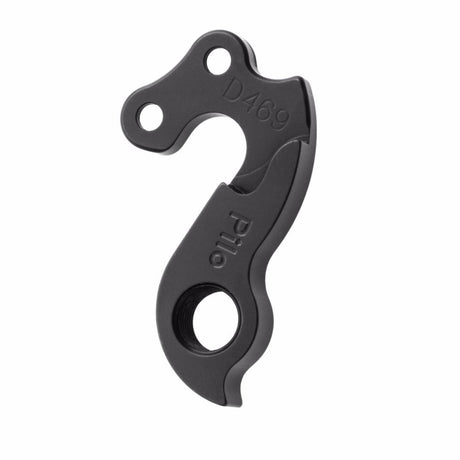
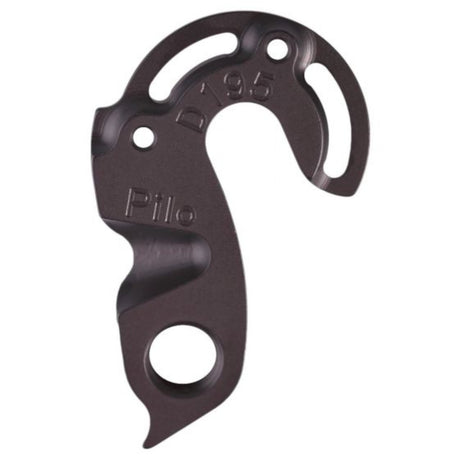
The hanger is a small metal piece that holds the rear derailleur to the frame. It is made to bend in a fall so the frame and derailleur do not get damaged. Even a small bend makes shifting poor in every gear. Look at the bike from behind: the derailleur should hang straight down, in line with the cogs.
A mechanic can check and straighten it with a special tool such as the IceToolz E355 (₹6,690). If it is badly bent, or has been straightened before, replace it. Each frame uses its own hanger, so find yours in our derailleur hangers range. Carrying a spare on long trips is a good idea.
Dirty or worn cables
Dirt, water and rust inside the cable's outer casing slow the cable down. Shifting feels stiff, and the chain is slow to drop to smaller cogs. This often gets worse after the monsoon. If the cable is fraying near the shifter, replace it soon, because it can snap. A new cable and casing together bring back crisp shifting. The Alligator 11-speed gear cable kit (₹849) and the Alligator Super Light kit (₹2,390) include both. Browse all gear cables.
Limit screws
The rear derailleur has two small screws, usually marked H and L. They stop the chain going too far: off the smallest cog into the frame, or past the biggest cog into the spokes. They only matter at the two ends. If the chain will not reach the smallest or biggest cog, or goes past it, turn the matching screw a quarter turn at a time. If the problem is in the middle gears, leave these screws alone.
Electronic gears
Some bikes change gear with a battery and motor instead of a cable, such as Shimano Di2 and SRAM AXS. There is no cable to loosen, but they can still need a small adjustment, which you do with the shifter buttons or the brand's phone app. A bent hanger or worn chain affects them just the same. Our Shimano Di2 guide has more help.
Prices are indicative and move with exchange rates and import duty.
FAQ
Why does my bike chain skip when I pedal hard?
A chain that skips when you pedal hard is usually worn out, along with the gears on the back wheel, because a stretched chain no longer sits properly on worn teeth and slips when you push, most often in the gears you use most, though a bent hanger or a loose gear cable can feel the same. Check the chain with a chain checker first. If it is badly worn, replace the cassette too.
How do you adjust gears with the barrel adjuster?
To adjust your gears, shift to the smallest cog at the back, click once towards the bigger cogs while turning the pedals, and if the chain is slow to move, turn the barrel adjuster a quarter turn outwards to tighten the cable, or inwards if shifts to smaller cogs are slow, until every shift is quick and quiet. Small turns are enough. Test it again on a ride.
Why do my gears slip after fitting a new chain?
Gears often slip after fitting a new chain because the old chain was used for so long that it wore the teeth on the back gears to match its own shape, so the new chain does not sit properly on those worn teeth and jumps when you pedal hard, and the usual fix is to replace the cassette as well. Changing the chain earlier next time avoids this. It also saves money.
How do I know if my derailleur hanger is bent?
Your derailleur hanger is probably bent if shifting suddenly got worse after a fall or after the bike fell over, if adjusting the cable does not fix every gear, or if the derailleur does not hang straight down in line with the cogs when you look from behind the bike, and a mechanic can confirm it with a special tool. Replace a badly bent hanger. Carry a spare on long rides.
How often should you replace gear cables?
Most riders should replace their gear cables and the outer casing about once a year, or sooner if shifting feels stiff, the chain is slow to drop to smaller cogs, or the cable is fraying near the shifter, because dirt, water and rust build up inside, especially after riding through the monsoon in India. Replace the cable and casing together. Adjust the gears again a few weeks later.
Getting help with your gears
The right fix depends on your bike and what the gears are doing. Describe the problem and ask TBA Guide what to check first, or book the bike in for a service.