

Frequently Asked Questions
How much should I spend on a cycling helmet?
How much should I spend on a cycling helmet?
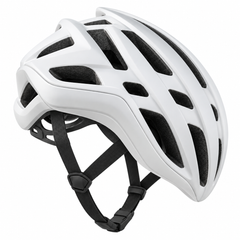
A helmet that meets a recognised safety standard protects you at any price. Paying more buys lighter weight, better ventilation and a more adjustable fit, which matter on long rides in Indian heat rather than in a crash. Mid-range helmets are where most regular riders settle, balancing comfort, airflow and value, while premium helmets suit racing and long, hot days.
Is MIPS worth paying extra for?
Is MIPS worth paying extra for?
MIPS adds a low-friction layer inside the helmet that lets the shell rotate slightly against your head, reducing rotational forces in an angled impact. Most real crashes are angled rather than straight-on. A MIPS version usually costs a little more than the same helmet without it, which is a reasonable premium for the added protection.
What size cycling helmet do I need?
What size cycling helmet do I need?
Measure the circumference of your head with a tape about a centimetre above your eyebrows, then match that in centimetres to the brand's size chart. Do not size by hat size or by guessing. Sizing differs between brands, so check the chart for the specific helmet you want.
What is the difference between road and mountain bike helmets?
What is the difference between road and mountain bike helmets?
Road helmets prioritise ventilation and low weight, with no peak. MTB helmets add a visor, extend further down the back of the head, and are built for lower-speed impacts on rougher terrain. Either works for commuting, so choose by which riding you do most.
When should I replace my cycling helmet?
When should I replace my cycling helmet?
Immediately after any crash where the helmet took an impact, even if it looks undamaged, because the foam crushes once and does not recover. Otherwise every three to five years, sooner in Indian conditions where heat, sweat and UV degrade the foam and straps faster than in temperate climates.