

 Up to 15% off


Frequently Asked Questions
What is the difference between SPD and SPD-SL cleats?
What is the difference between SPD and SPD-SL cleats?
SPD is the two-bolt mountain bike and gravel system, with smaller metal cleats that recess into the sole so you can walk normally. SPD-SL is the three-bolt road system with larger plastic cleats that sit proud of the sole, giving a wider platform and better power transfer but making walking awkward.
Should I buy road shoes or MTB shoes?
Should I buy road shoes or MTB shoes?
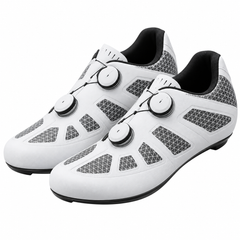
Road shoes with three-bolt cleats give the stiffest sole and best power transfer for road riding. Two-bolt MTB and gravel shoes are easier to walk in and better for commuting, touring, cafe stops and anything involving getting off the bike. Many Indian riders are happier on two-bolt for everyday use.
How should cycling shoes fit?
How should cycling shoes fit?
Snug with no heel lift and no pressure on the sides, and about a thumb's width at the toe. Feet swell on long rides, so a shoe that feels tight in the shop will hurt at 80 km. Check the brand's size chart against your foot length in cm rather than assuming your street size.
Are there cycling shoes for wide feet?
Are there cycling shoes for wide feet?
Yes. Several brands make wide-fit versions of their road and MTB shoes, which add volume across the forefoot rather than extra length. If standard shoes press on the sides of your feet or cause numbness, try a wide fitting in your usual length and check each brand's size chart, as lasts vary considerably between makers.
Do cycling shoes come with cleats?
Do cycling shoes come with cleats?
Usually not. Cleats are generally sold separately because they depend on your pedal system: two-bolt for SPD-type pedals and three-bolt for road systems. Fit them carefully, with the ball of your foot over the pedal axle and your natural heel angle, as badly positioned cleats are a common cause of knee pain.