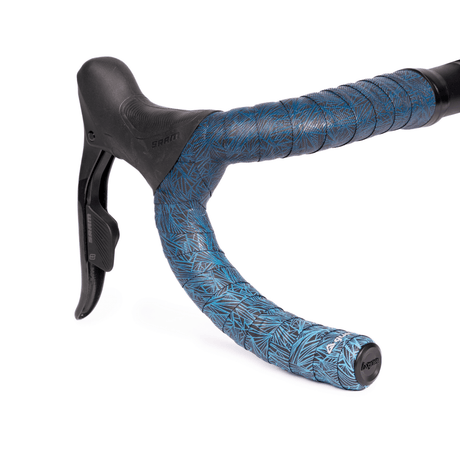
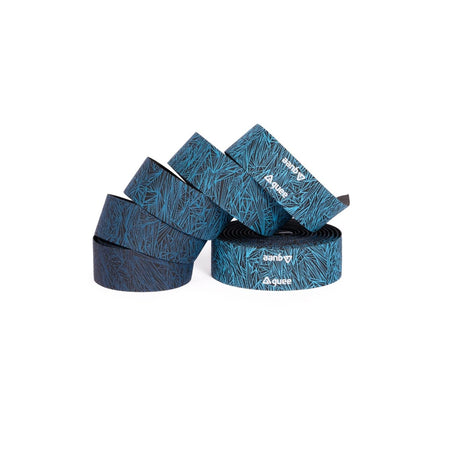
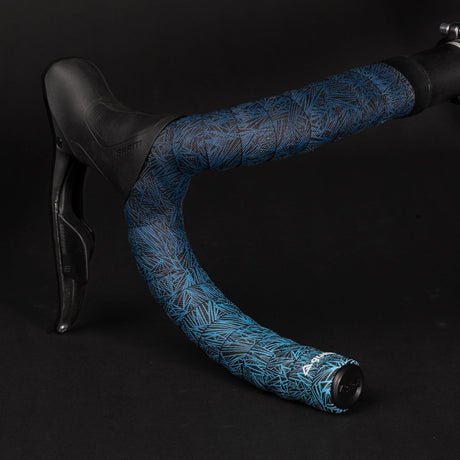
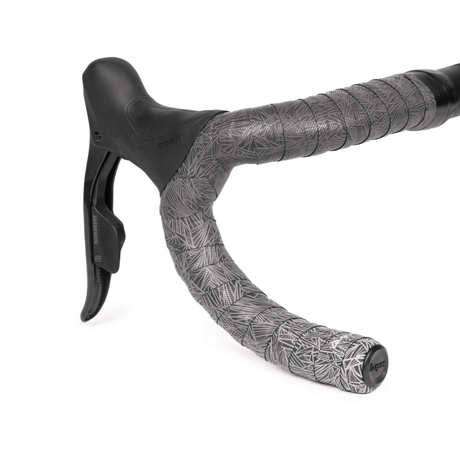
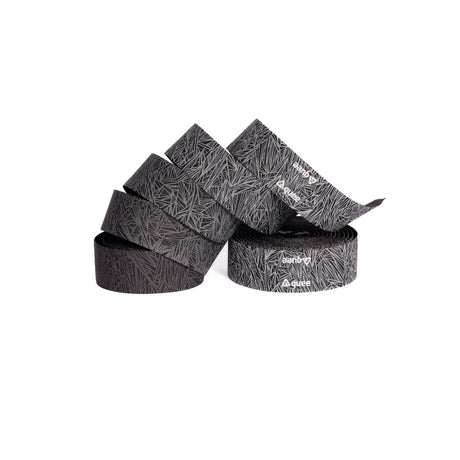
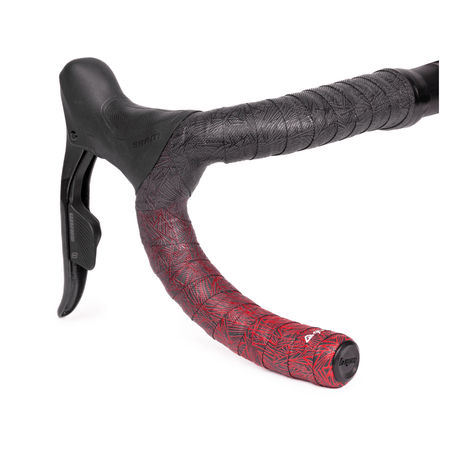
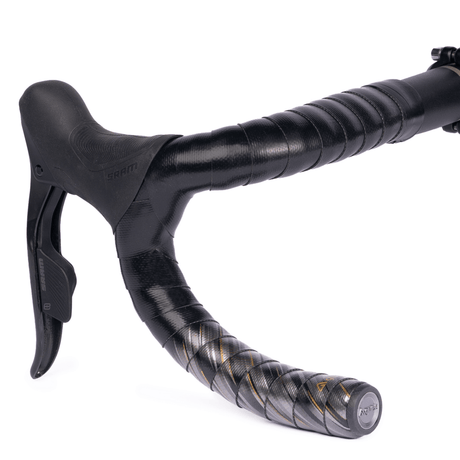
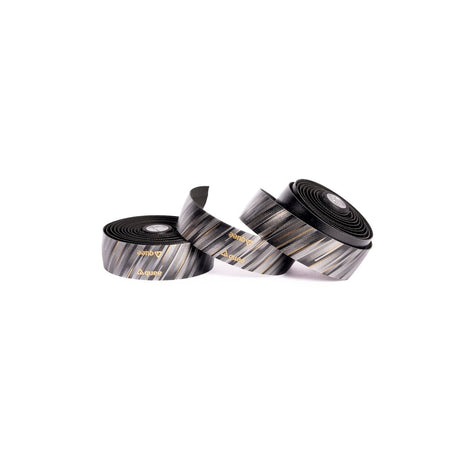
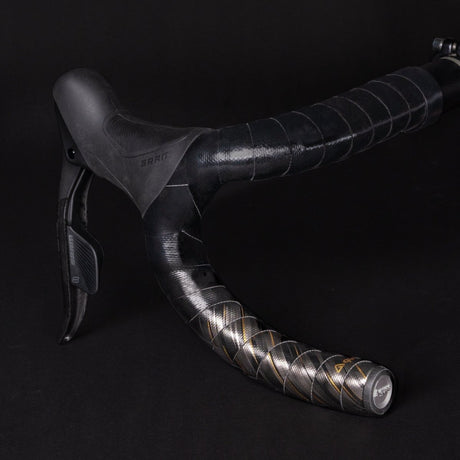
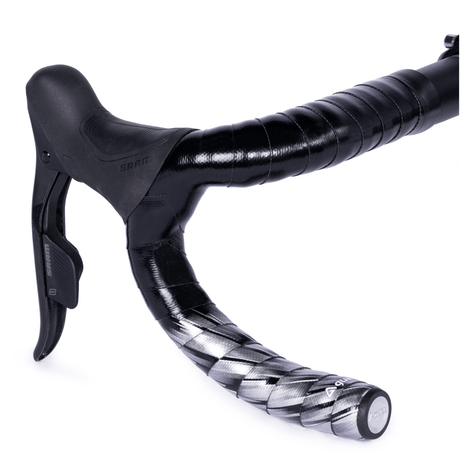
Short answer: bar tape is the grippy wrap on a road bike's handlebar. Choose it by grip, cushioning and how much your hands sweat. Silicone and other grippy tapes hold best in Indian heat. Cork and thicker tapes soak up more bumps from the road. Thinner tapes give a closer feel of the bike. Replace your tape when it tears, turns slippery or after a fall, which for most riders is every 6 to 12 months. One box covers both sides of the handlebar and costs ₹1,190 to ₹3,650. Wrapping it yourself takes about 20 minutes.
New bar tape is one of the cheapest upgrades on a road bike, and one you will notice straight away, because your hands are on it for the whole ride. This guide explains the main types, which tapes suit hot and sweaty riding, when to replace it, and how to wrap it neatly so it does not come loose.
- Types of bar tape
- Thickness and cushioning
- Grip in heat and sweat
- When to replace bar tape
- How to wrap bar tape
- FAQ
- Choosing your bar tape
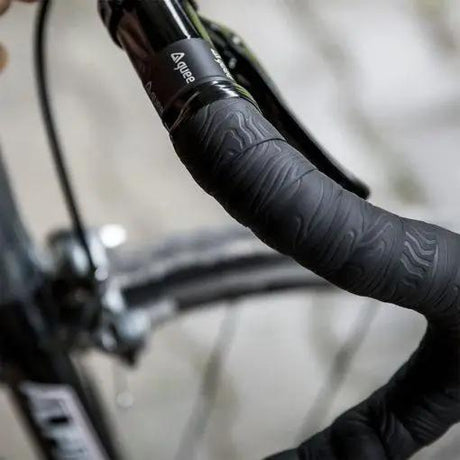
Types of bar tape
| Type | Feel | Example | Price |
|---|---|---|---|
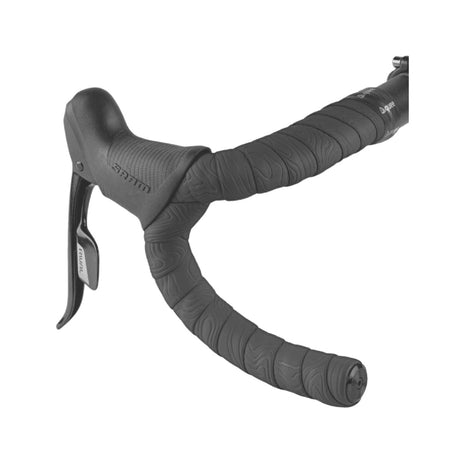
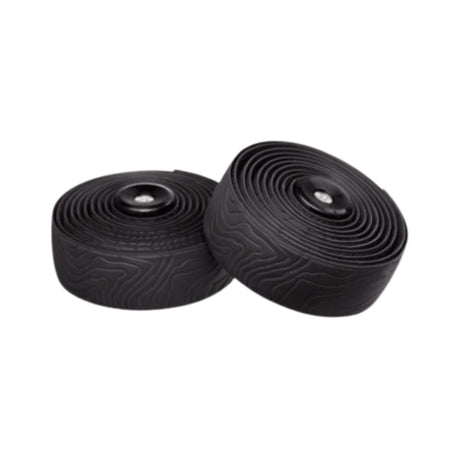
| Cork | Soft, classic, good cushioning | SRAM Super Cork | ₹1,190 |
| Gel-backed | Extra cushioning for long rides | Merida Road Expert VexGel | ₹1,650 |
| Woven | Textured, lasts well | BTP Woven | ₹1,890 |
| Suede feel | Soft and smooth | SRAM Supersuede | ₹2,090 |
| Synthetic all-rounder | Good mix of grip and cushioning | Zipp Service Course | ₹2,190 |
| Grippy synthetic | Slightly sticky surface, holds well when sweaty | BTP High Performance Gripping | ₹2,595 |
| Reflective | Shines in car headlights | BTP Reflective | ₹2,795 |
| Microfibre | Smooth and long lasting | BTP Performance Pro Microfibre | ₹2,995 |
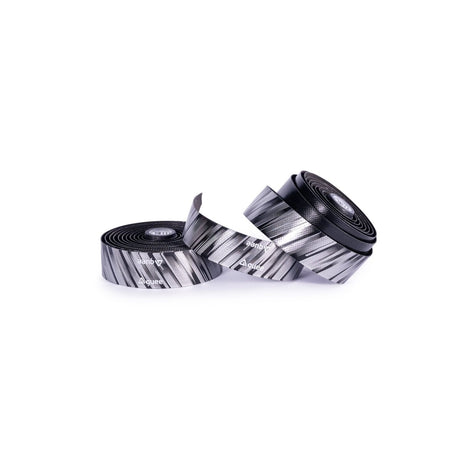
| Silicone | Very grippy, easy to clean, long lasting | Guee Sio Dura Silicone | ₹3,650 |
Browse all bar tapes. Prices are indicative and move with exchange rates and import duty.
Thickness and cushioning
- Thin tape, about 2 to 2.5mm: you feel the road more and the grip is slimmer. Good for racing and for small hands.
- Medium, about 3mm: the best choice for most riders.
- Thick, 3.5mm and over: more cushioning on rough roads and long rides, but a fatter grip.
For extra comfort without thick tape, you can put gel pads under the tape. The Zipp Gel Pad Set (₹1,590) works under any tape. If your hands still go numb on long rides, the cause is usually how you sit on the bike rather than the tape. Our guide to signs your position on the bike is wrong explains what to check.
Grip in heat and sweat
In Indian summers, sweat runs down your arms onto the handlebar, and some tapes get slippery when wet. Silicone and grippy tapes hold best when damp, and they are easy to wipe clean. Suede-feel tapes are lovely when dry but can feel slippery when soaked with sweat. Gloves help on any tape. White and light colours look great, but they show dirt and sweat stains quickly, so you will need to clean them often.
When to replace bar tape
- The tape is torn, especially on the lower curves of the bar after a fall.
- The surface has gone shiny and slippery.
- It feels hard, or the edges are coming loose.
- It smells, or sweat stains will not wash out.
- You are changing the gear or brake cables that run under the tape.
If you ride several times a week in the heat, that usually means every 6 to 12 months.
How to wrap bar tape
- Remove the old tape and any leftover glue. Clean the bar with rubbing alcohol, and check the cables under the tape are held firmly with electrical tape.
- Fold the rubber lever covers forward so you can wrap close to the brake levers.
- Start at the open end of the bar. Let about a third of the tape's width hang past the end, so you can tuck it in under the end plug later.
- Wrap from the inside to the outside, over the top of the bar. Do this on both sides. That way, when your hands twist outwards on the lower part of the bar, they tighten the tape instead of loosening it.
- Pull the tape gently tight and overlap each turn by about a third of its width.
- Cover the lever clamp. Put the short strip from the box behind the brake lever, then wrap around the lever in a figure of eight.
- Finish on the top of the bar. Stop a few centimetres from the stem, cut the tape at an angle, and hold it down with the finishing tape from the box.
- Push in the end plugs, tucking the extra tape into the end of the bar. Screw-in plugs such as the BTP Screw-In End Plugs (₹775) stay in better than push-in ones.
Our handlebar and stem guide covers bar sizes if you are changing the handlebar too.
FAQ
How often should you replace bar tape?
Most riders should replace their bar tape every 6 to 12 months, or sooner if it tears in a fall, turns shiny and slippery, feels hard or starts to come loose, because worn tape gives less grip and comfort, and riders in hot, sweaty Indian weather usually wear through tape faster. Replace it whenever you change the cables underneath. A new box costs from Rs 1,190.
What is the best bar tape for sweaty hands?
The best bar tape for sweaty hands is a silicone or grippy synthetic tape, such as the Guee Sio Dura Silicone at Rs 3,650 or the BTP High Performance Gripping at Rs 2,595, because they stay grippy when wet with sweat and can be wiped clean after a ride, while soft suede-feel tapes can feel slippery once they are soaked. Gloves help on any tape. Avoid white tape if stains bother you.
Does one set of bar tape cover both sides of the handlebar?
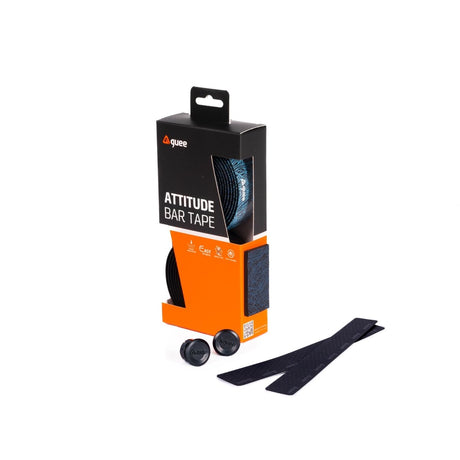
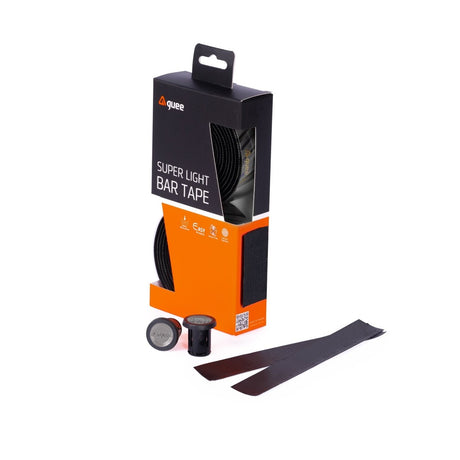
Yes, a normal box of road bar tape has two rolls, one for each side of the handlebar, plus two short strips to go behind the brake levers, two end plugs and some finishing tape, which is enough for a normal road handlebar, though very wide gravel bike handlebars can use up almost all of it. Check the roll length for wide bars. Keep any spare finishing tape.
Which direction should you wrap bar tape?
Wrap bar tape from the open end of the handlebar towards the stem, going from the inside of the bar over the top to the outside on both sides, so that the natural outward twist of your hands tightens the tape instead of loosening it, and overlap each turn by about a third of the tape's width. Use the short strips behind the levers. Finish neatly on the top.
Is thicker bar tape better for numb hands?
Thicker bar tape or gel pads can soak up road bumps and ease mild discomfort, but numb hands are more often caused by too much weight on your hands, from a handlebar that is too far away or too low or a saddle tilted forward, so check how you sit on the bike before relying on thicker tape. Move your hands around often while riding. That helps too.
Choosing your bar tape
The right tape depends on your riding, how much you sweat and the feel you like. Tell us those and ask TBA Guide which bar tape suits your bike and riding.