



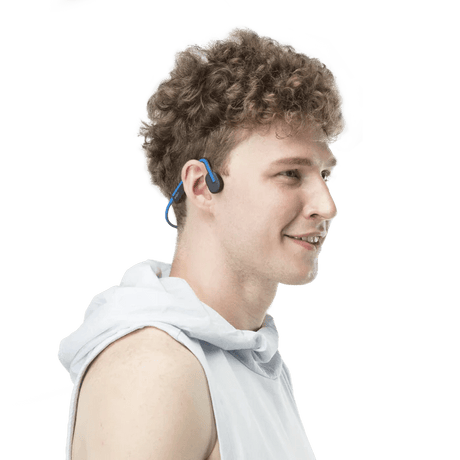

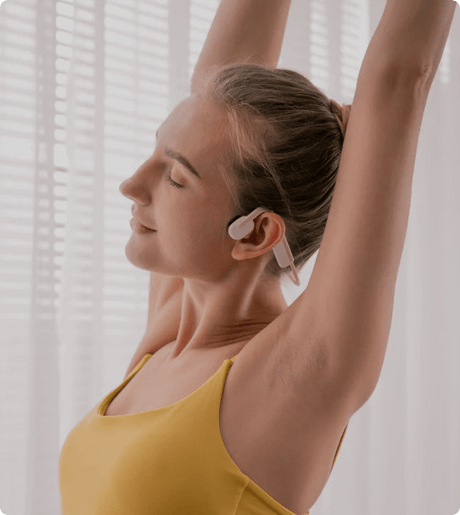


 Up to 40% off
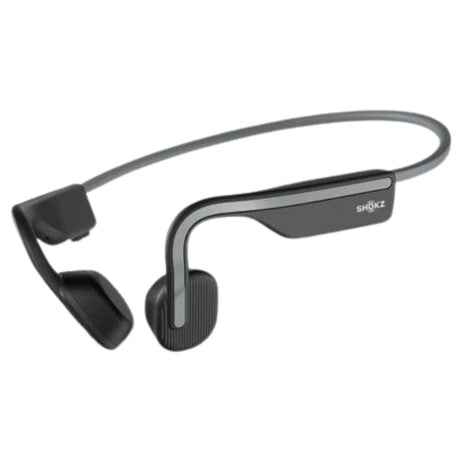
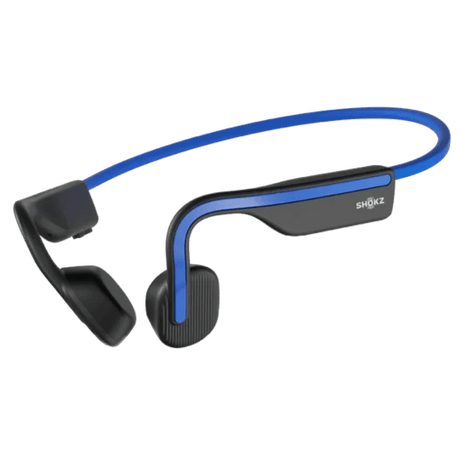
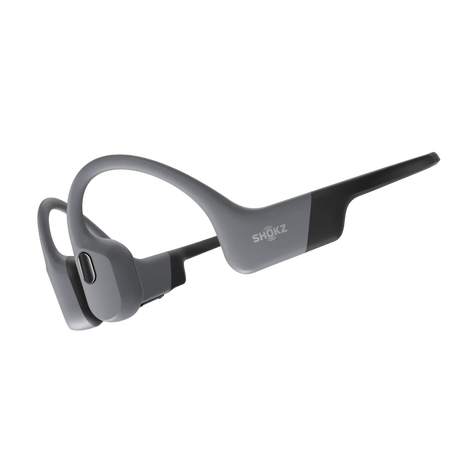
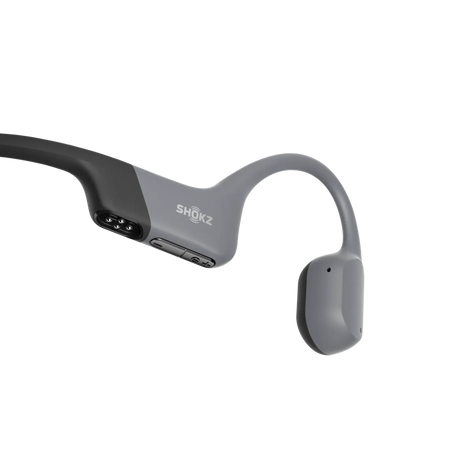
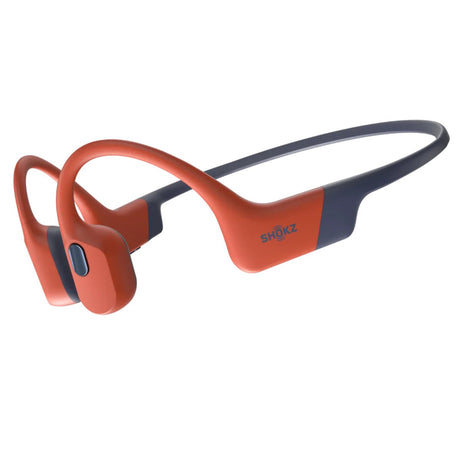
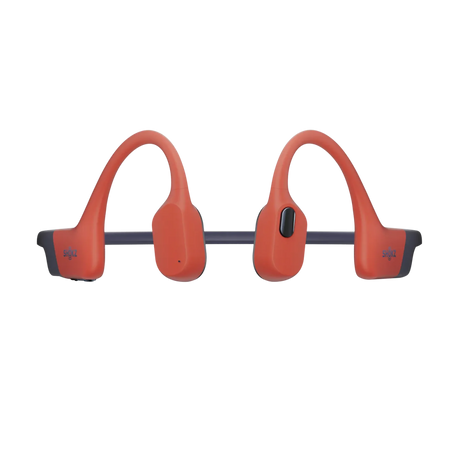
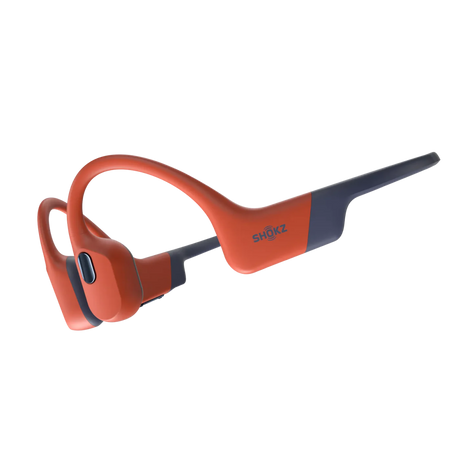
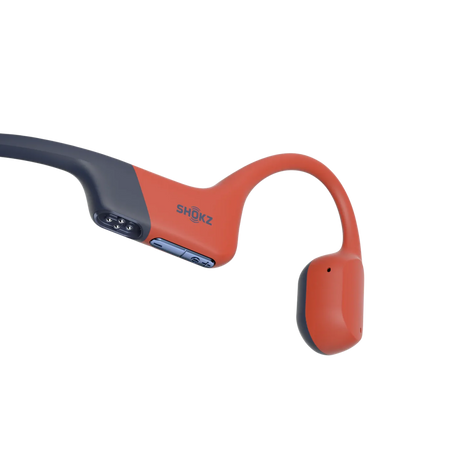
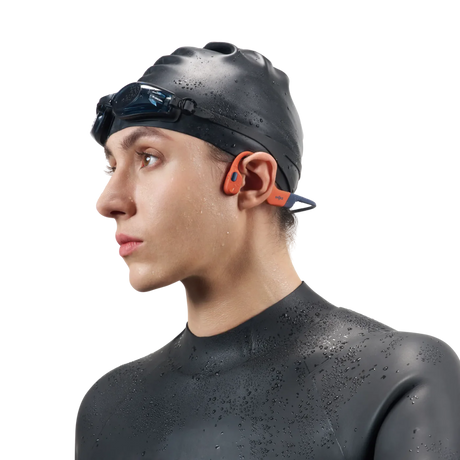
Shokz OpenMove S661 Entry-Level Bone Conduction Headphones
Sale price ₹8,999 Regular price ₹14,999Unit price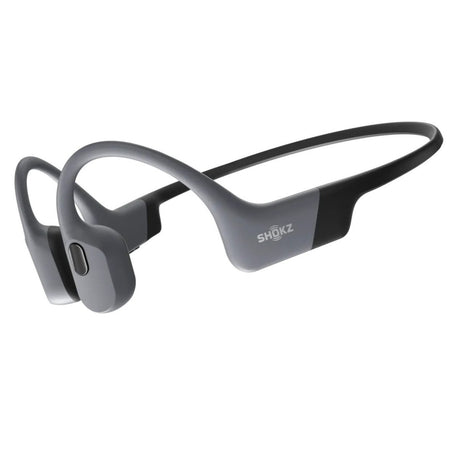
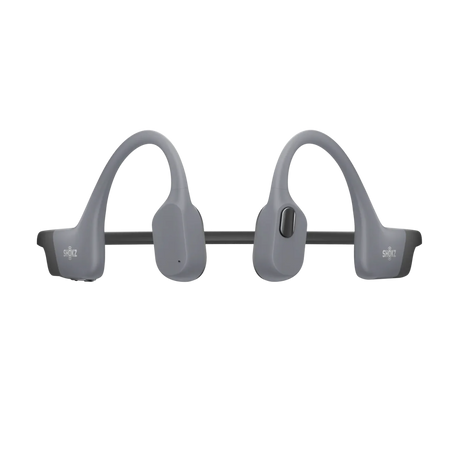
 Up to 27% off
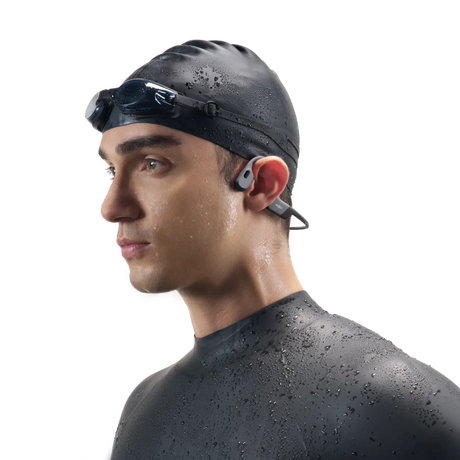
Shokz OpenSwim Pro S710 Premium Bone Conduction Headphones
Sale price ₹18,999 Regular price ₹26,099Unit price


 Up to 33% off
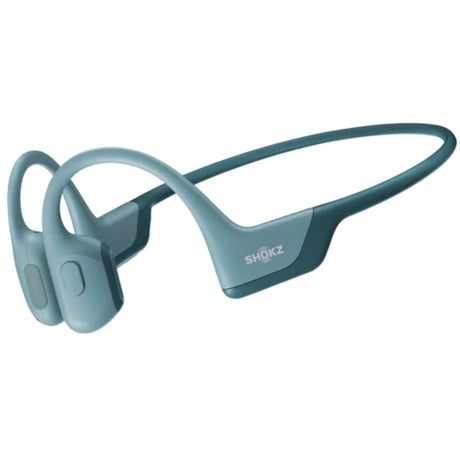
Shokz OpenRun S803 Next-level Bone Conduction Headphones
Sale price ₹13,499 Regular price ₹20,249Unit price


 12% offSale price ₹1,499 Regular price ₹1,699Unit price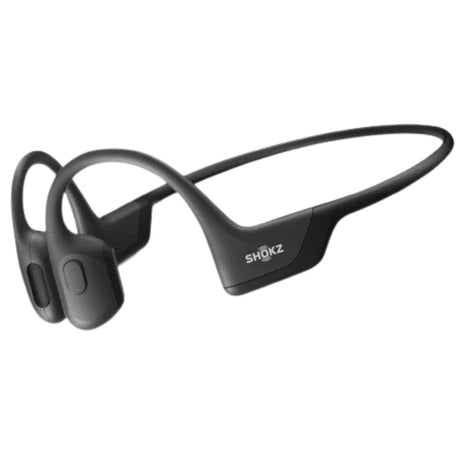
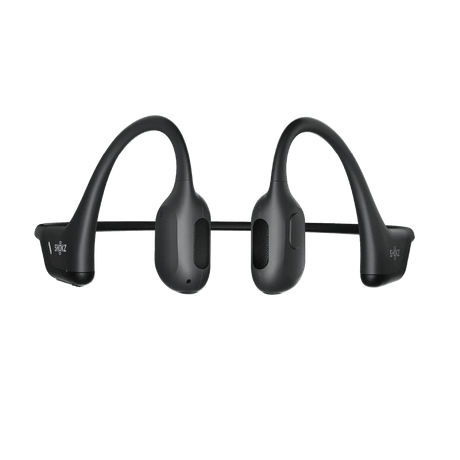
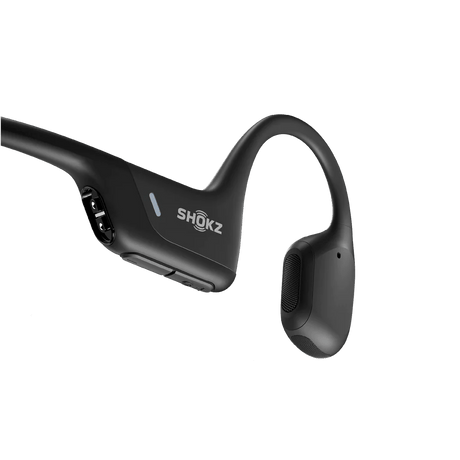
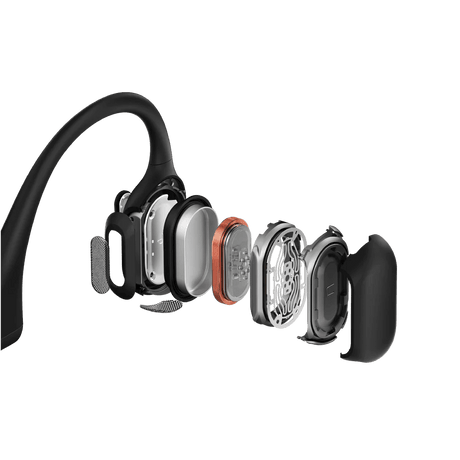







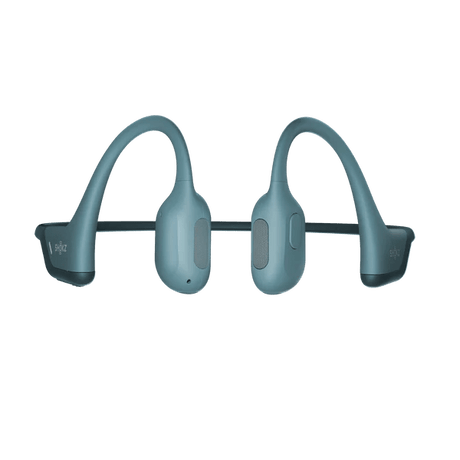
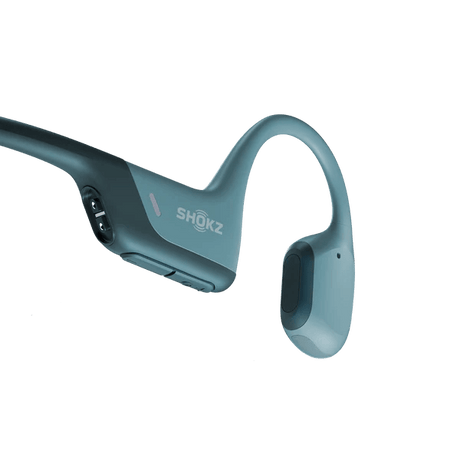
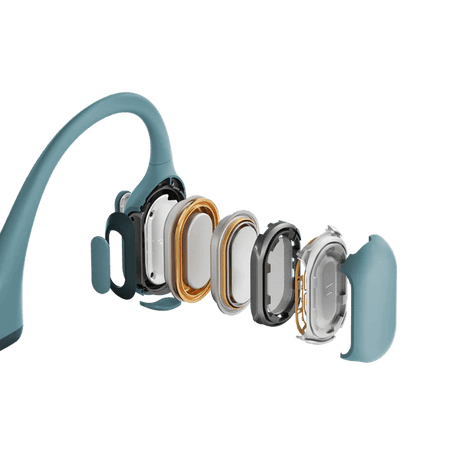


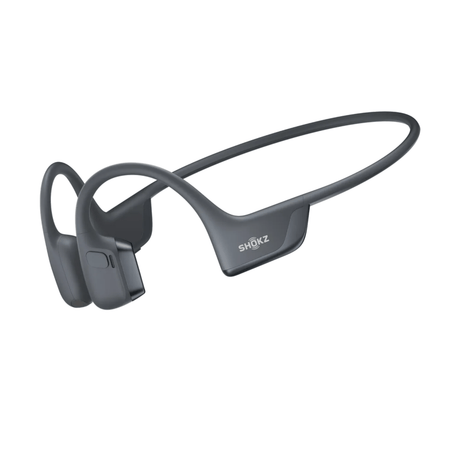
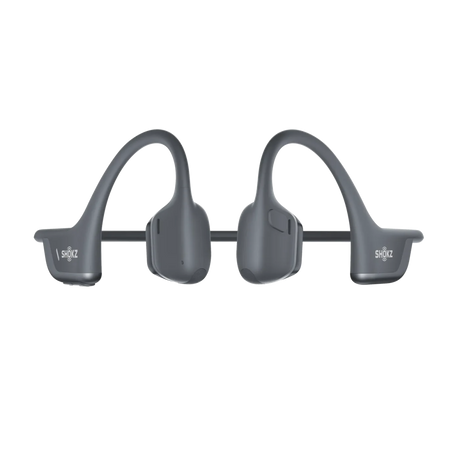
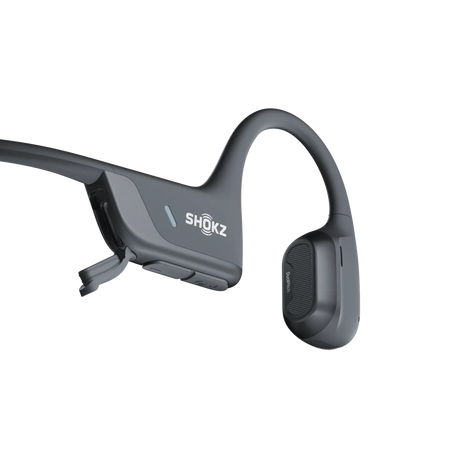


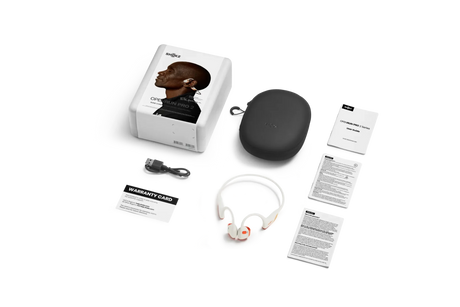
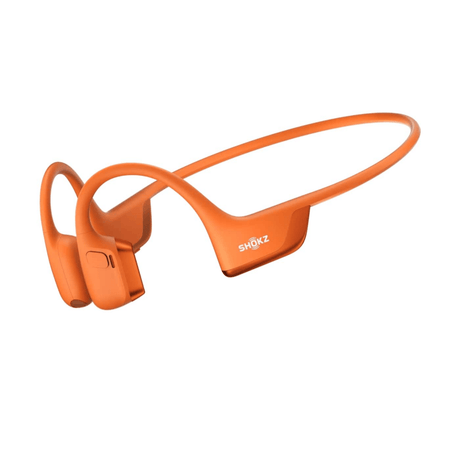
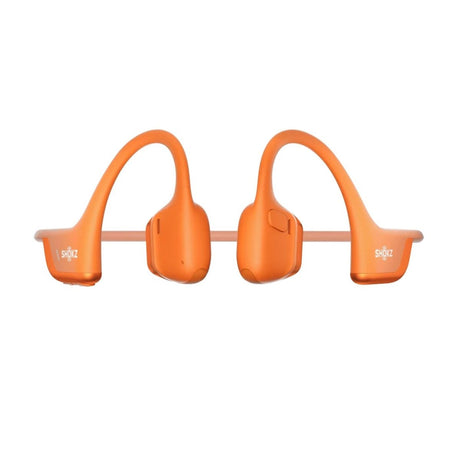
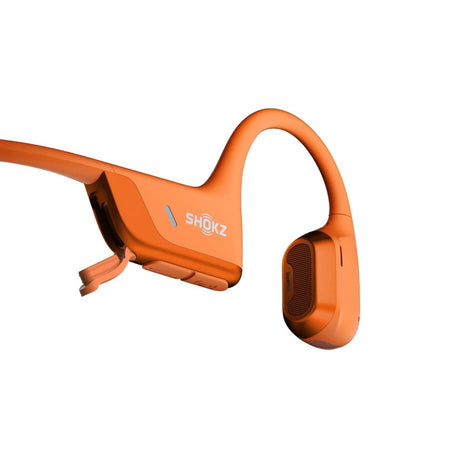


 Up to 28% off
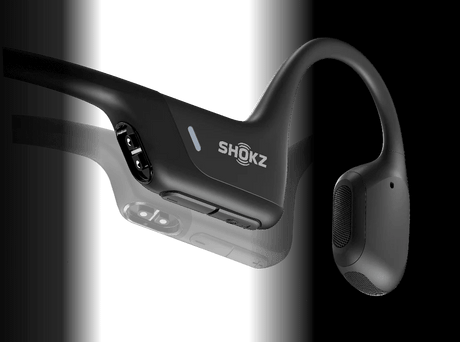
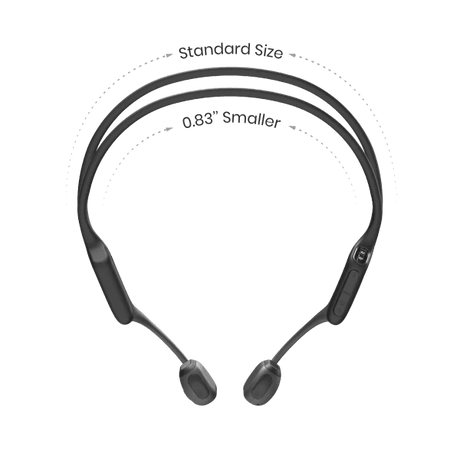
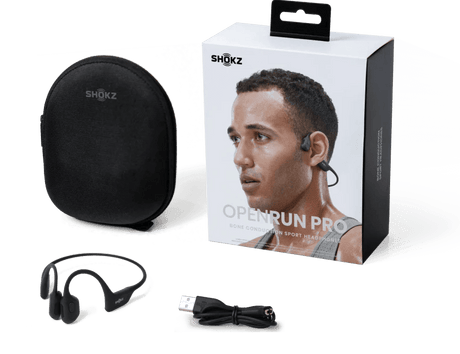
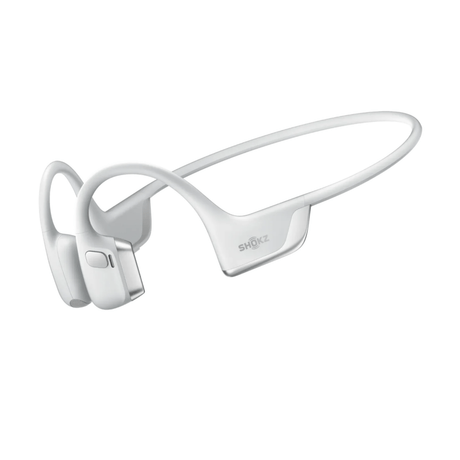
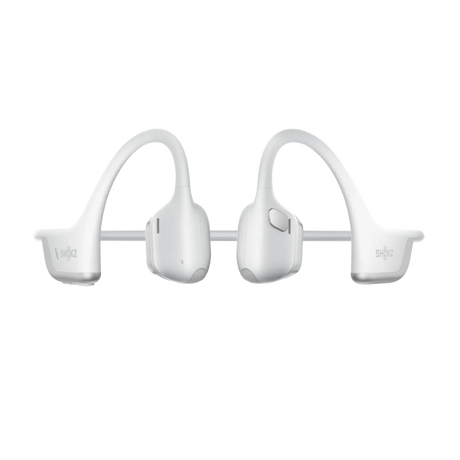
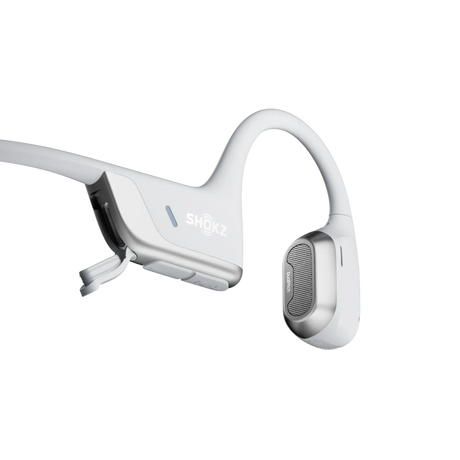
Shokz OpenRun Pro 2 S820 Bone Conduction Sports Headphones
Sale priceFrom ₹18,499 Regular price ₹25,799Unit price


 Up to 28% off
Shokz OpenRun Pro 2 S821 Best Bone Conduction Headphones
Sale price ₹18,499 Regular price ₹25,799Unit price


Frequently Asked Questions
Are bone conduction headphones safe for cycling on Indian roads?
Are bone conduction headphones safe for cycling on Indian roads?
They are the safest headphone option because the ear canal stays completely open, so you still hear traffic, horns and riders around you. Sound reaches you through vibration against the cheekbone instead. This is the main reason cyclists choose Shokz over in-ear designs, though you should still check local rules on headphone use while riding.
What is the difference between OpenRun and OpenRun Pro 2?
What is the difference between OpenRun and OpenRun Pro 2?
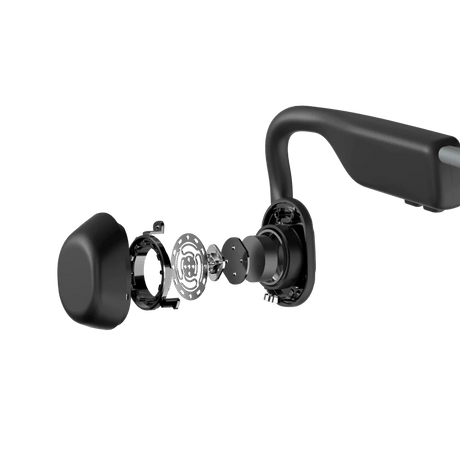
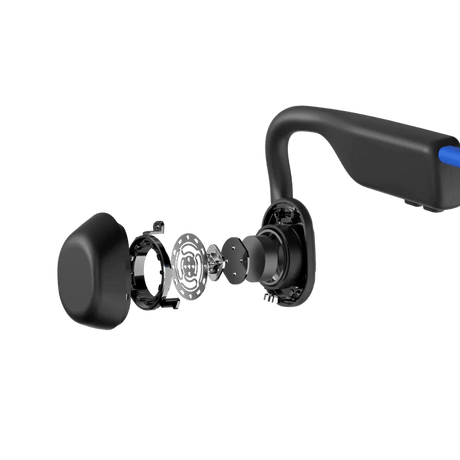
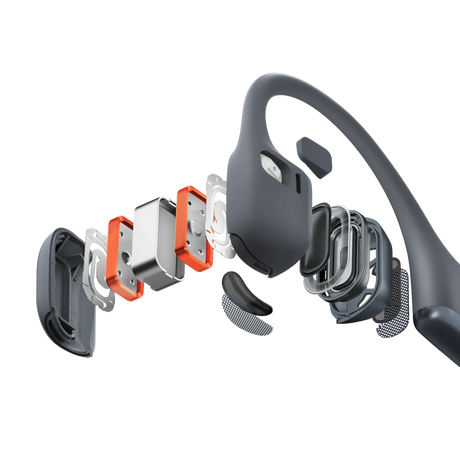
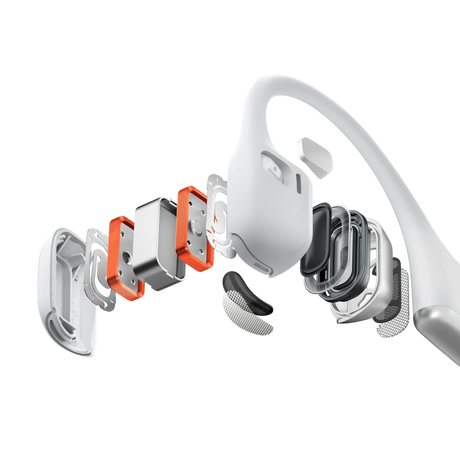
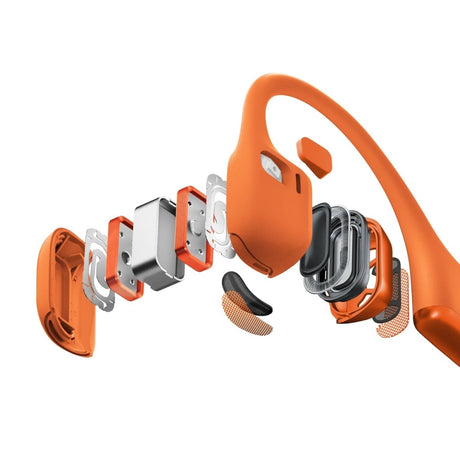
The OpenRun S803 at ₹13,499 uses a single transducer per side in a light titanium frame. The OpenRun Pro 2 at ₹18,499 adds a dual-driver arrangement that handles bass considerably better, which is the usual weak point of bone conduction. If audio quality matters to you beyond podcasts and basic music, the Pro 2 is where the difference is audible.
Can I use Shokz headphones in the rain?
Can I use Shokz headphones in the rain?
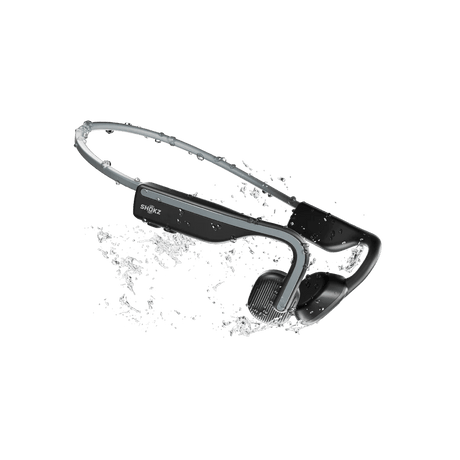
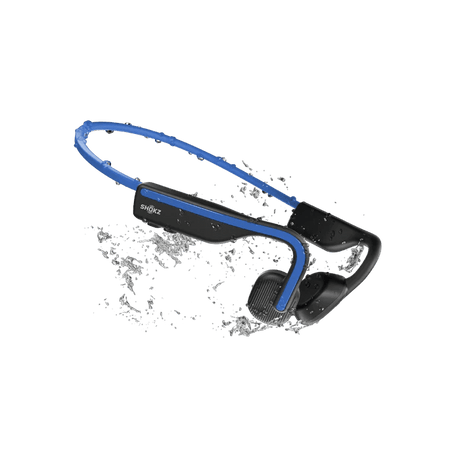
Yes, the OpenMove and OpenRun models are rated for sweat and rain, which covers monsoon riding and hard training sessions. They are not rated for submersion, so they are not a swimming headphone. The exact water rating differs between models and is listed on each product page, so check it if you intend to use them in heavy or prolonged rain.
Do Shokz headphones use a standard charging cable?
Do Shokz headphones use a standard charging cable?
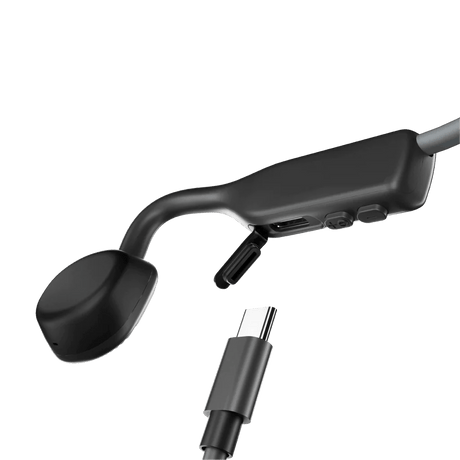
No, they use a proprietary magnetic connector rather than USB-C, which is what allows the housing to stay sealed against sweat. That makes the cable easy to misplace, so we stock the CC810 charging cable separately at ₹1,499. Keeping a spare at work or in a kit bag is worth it if you train straight from the office.
Will they stay on during a rough descent?
Will they stay on during a rough descent?
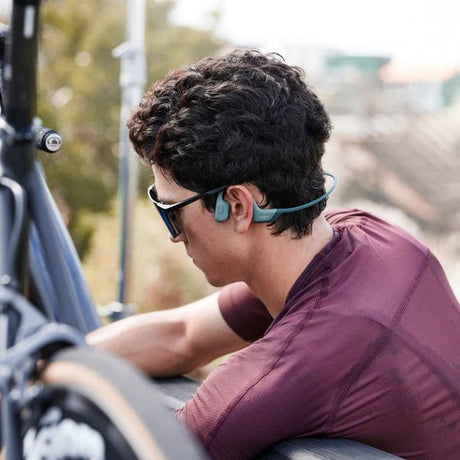
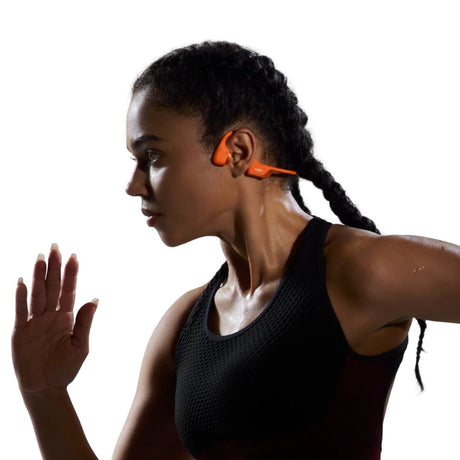
The wraparound titanium band holds position well because it grips behind the head rather than clamping the ears, and riders report they stay put on rough surfaces and while wearing a helmet. They sit under helmet straps without interference. If you wear glasses, the arm of the frame and the band share space behind the ear, which takes a ride or two to get used to.