
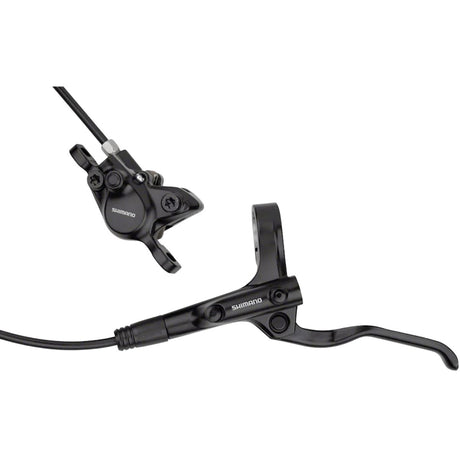
Shimano MT200 Hydraulic Disc Brake (BL-MT200/BR-MT200)
Front (left lever)
Disc Brakes
Regular price ₹2,200Unit price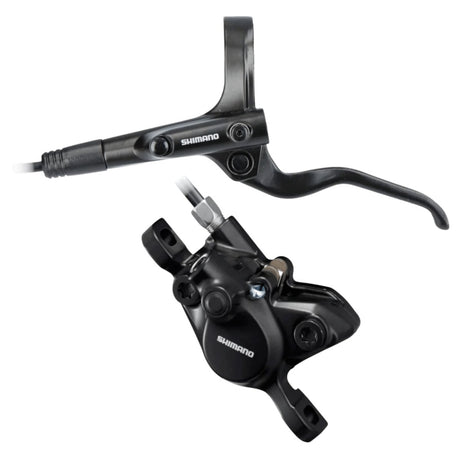
Shimano MT201 Hydraulic Disc Brake (BL-MT201/BR-MT200)
Front (left lever)
Disc Brakes
Regular price ₹2,670Unit price
Shimano 6-Bolt Disc Brake Rotor SM-RT56
Disc Brakes
In stock: Ø160 Ø180
Regular priceFrom ₹1,090Unit price
Shimano SM-RT10 Centerlock Disc Brake Rotor
Ø160
Disc Brakes
In stock: Ø160 Ø180
Regular price ₹730Unit price
Shimano SM-RT10 Centerlock Disc Brake Rotor
Ø180
Disc Brakes
In stock: Ø160 Ø180
Regular price ₹980Unit price
Shimano SB-BH59 Olive/ Insert Unit
Regular price ₹140Unit price
Shimano Mount Disc Brake Adapter For 180mm (SM-MA-F180P/S and SM-MA-R180P/S)
Front
Only 2 left
Regular price ₹600Unit price
Shimano Small Parts BR-RS505 Pad Spacer
Regular price ₹70Unit price
Shimano Tourney TX BR-TX805 Post Mount Mechanical Disc Brake Caliper
Disc Brakes
Regular price ₹1,480Unit price
Shimano Deore BL-M4100/BR-MT410 Hydraulic Disc Brake Set
Left/Front
Disc Brakes
Only 2 left
Regular price ₹4,300Unit price
Shimano Deore BL-M4100/BR-MT410 Hydraulic Disc Brake Set
Left/Rear
Disc Brakes
Only 2 left
Regular price ₹4,690Unit price

Shimano Brake Cable Inner End Caps (100Pcs)
Only size Box of 100 Pieces
Regular price ₹320Unit price

Shimano Disc Brake Pad L05A Resin w/Fin & Pad Spring
Disc · Resin
Regular priceFrom ₹1,460Unit price


Shimano BL-MT401 2 Finger Hydraulic Disc Brake Lever
Black/Black Lever
Disc Brakes
Regular price ₹1,180Unit price
Shimano Deore XT BL-M8100/BR-M8100 Hydraulic Disc Brake Set
Left/Front
Disc Brakes
Only 2 left
Regular price ₹12,380Unit price
Shimano BR-M375 Post Mount Mechanical Disc Brake Caliper
Black
Disc Brakes
Only 2 left
Regular price ₹1,740Unit price
Shimano Deore BL-M6100/BR-M6100 Hydraulic Disc Brake Set
Right/Rear
Disc Brakes
Only 2 left
Regular price ₹8,330Unit price


 Sold out

 Sold out

 Sold out
Shimano Mount Disc Brake Adapter For 180mm (SM-MA90-F180P/P)
Regular price ₹830Unit price Sold out
Shimano SM-BH90 Olive and Connector Insert
Regular price ₹140Unit price


 Sold out
Shimano Deore BL-M6100 2 Finger Hydraulic Disc Brake Lever
Disc Brakes
Regular price ₹2,670Unit price


Frequently Asked Questions
Which Shimano disc brake is best for a mountain bike?
Which Shimano disc brake is best for a mountain bike?
For most trail riding, a two-piston Shimano brake from the Deore or SLX series gives strong, consistent stopping with easy bleeding and low running costs. Four-piston calipers add power and heat control for enduro, long descents and heavier riders, while XT and XTR save weight and add finer lever adjustment for riders who race or want the best feel.
What brake fluid do Shimano brakes use?
What brake fluid do Shimano brakes use?
Shimano hydraulic disc brakes use Shimano mineral oil, never DOT brake fluid. DOT fluid attacks the seals inside Shimano levers and calipers and can cause leaks and loss of braking. Use mineral oil for every bleed and top-up, and wipe up any spill quickly, because oil on pads or rotors ruins braking until the pads are replaced.
Can I use metal pads on Shimano rotors?
Can I use metal pads on Shimano rotors?
You can use metal pads on Shimano rotors that are not marked for resin pads only. Many entry-level rotors carry a resin-only marking because metal pads wear them too quickly, while Ice Technologies and most mid and high-level rotors accept both. Check the text printed on the rotor before switching pad type, and bed in new pads gently.
What is the difference between flat mount and post mount brakes?
What is the difference between flat mount and post mount brakes?
Flat mount is the disc caliper standard for road and gravel bikes, with the caliper bolted flat to the frame and fork from underneath. Post mount is the mountain bike standard, with the caliper bolted onto two threaded posts. A caliper must match your frame and fork, although adapters let either type run a larger rotor.
How often should I bleed Shimano brakes?
How often should I bleed Shimano brakes?
Bleed Shimano hydraulic brakes about once a year with regular riding, or sooner if the lever feels soft, pulls closer to the bar or the bite point keeps wandering. Riders who do long descents or ride often in heavy rain may need it more frequently. A bleed should also follow any hose cut, hose change or lever replacement.


